

New Delhi: The Kimberley Process (KP) Plenary selected India to assume the Kimberley Process chairmanship from January 1, 2026, marking a key recognition of the country’s role in global diamond trade governance.
Before taking over the top position, India will serve as Vice Chair from December 25, 2025. This transition will allow the country to engage closely with participants and observers ahead of assuming full responsibility in the new year. Notably, this will be the third occasion on which India has been entrusted with leading the Kimberley Process.
The Kimberley Process operates as a tripartite initiative that brings together governments, the international diamond industry, and civil society organisations. Its primary objective is to prevent the trade in “conflict diamonds,” which the United Nations defines as rough diamonds used by rebel groups or their allies to finance conflicts against legitimate governments.
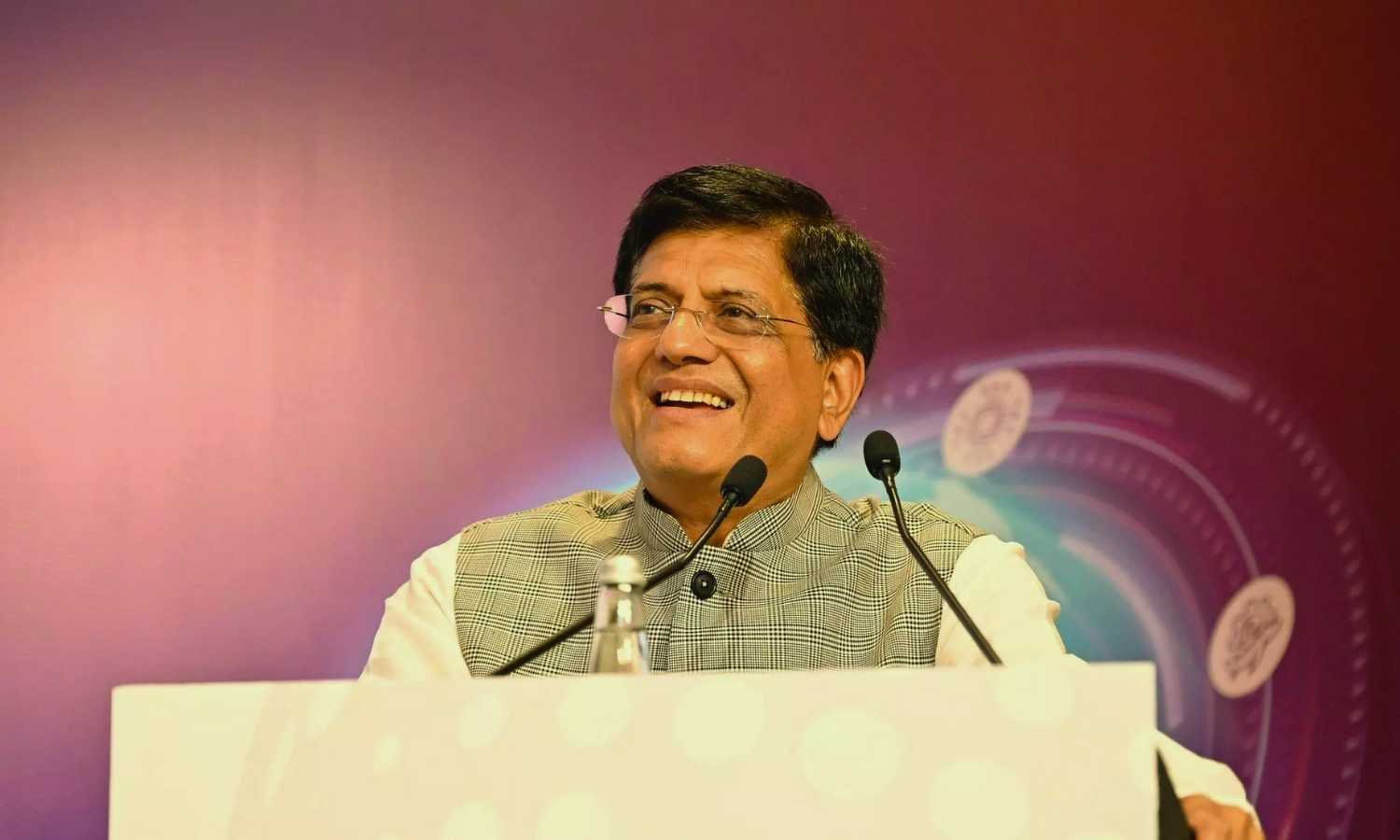
Welcoming the decision, Union Minister of Commerce and Industry Piyush Goyal said India’s selection reflected global confidence in the Modi government’s commitment to integrity and transparency in international trade. He added that the responsibility carried significance for both India and the broader diamond sector.
The Kimberley Process Certification Scheme came into force on January 1, 2003, following a United Nations resolution. Since then, it has developed into a central mechanism to curb conflict diamond trade. At present, the KP has 60 participants, with the European Union and its member states treated as a single participant. Together, these participants account for more than 99 per cent of global rough diamond trade.
India’s role in strengthening Kimberley Process chairmanship
As one of the world’s largest hubs for diamond manufacturing and trade, India’s leadership assumes importance amid changing geopolitical conditions. At the same time, global attention on sustainable and responsible sourcing continues to grow. Against this backdrop, India plans to focus on governance reforms and stronger compliance during its tenure.
In addition, India aims to advance digital certification systems and improve traceability in diamond transactions. Through data-driven monitoring, authorities also seek to enhance transparency across supply chains. These steps, officials said, would help build stronger consumer confidence in conflict-free diamonds.
During its term as Vice Chair in 2025 and Chair in 2026, India will work closely with all KP participants and observers. The focus, according to official statements, will remain on reinforcing rule-based compliance and improving the credibility of the process. Moreover, India plans to support efforts to make the Kimberley Process more inclusive and effective as a multilateral framework.
Officials believe India’s experience in the diamond sector positions it well to balance commercial interests with ethical responsibilities. As a result, the upcoming Kimberley Process chairmanship is expected to play a role in shaping the future direction of global diamond governance.
