
Viksit Bharat–G Ram G Act lays foundation for self-reliant villages, says Shivraj Singh Chouhan

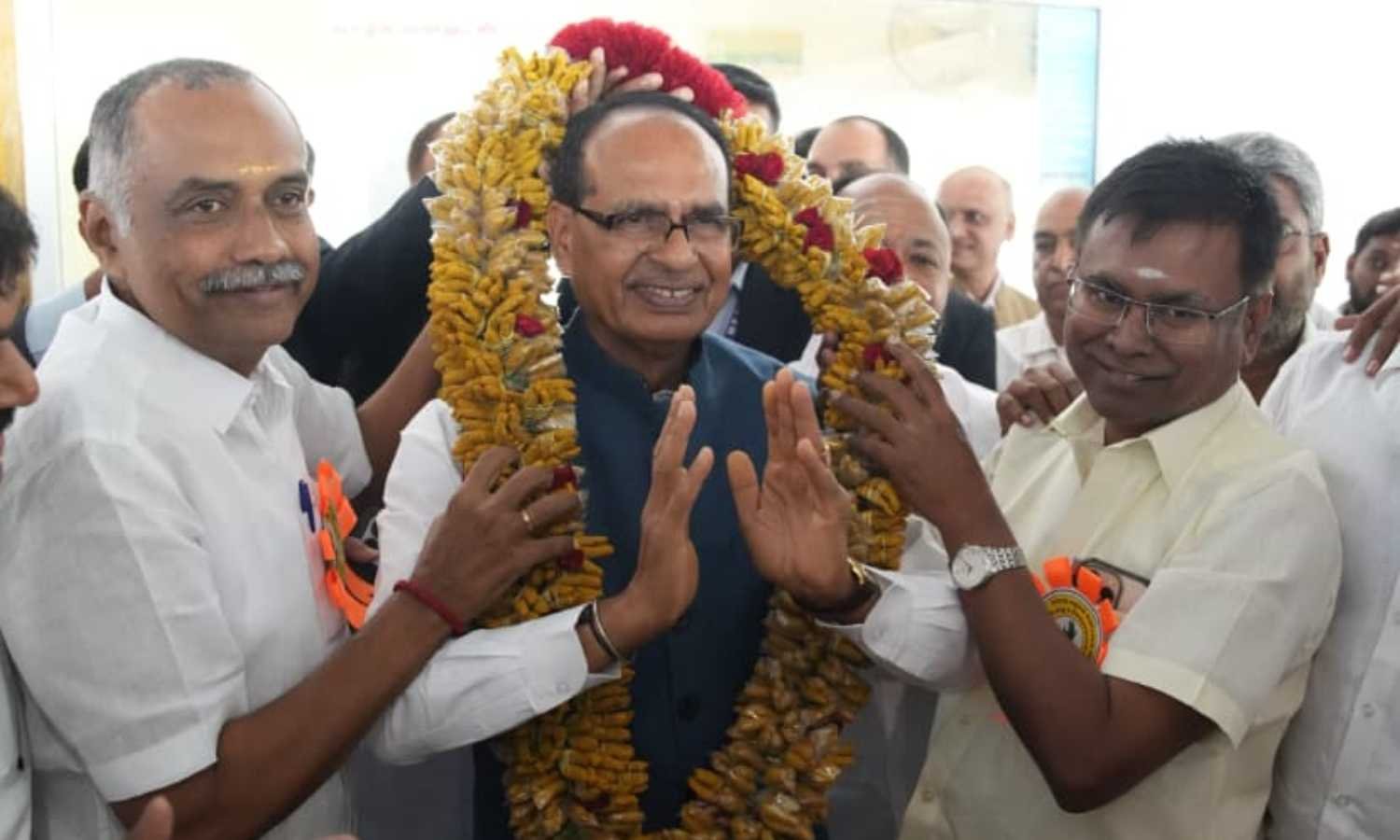
New Delhi: Union Agriculture and Farmers’ Welfare Minister Shri Shivraj Singh Chouhan said the Viksit Bharat–G Ram G Act laid a strong foundation for building self-reliant villages while addressing corruption and delays in rural employment schemes.
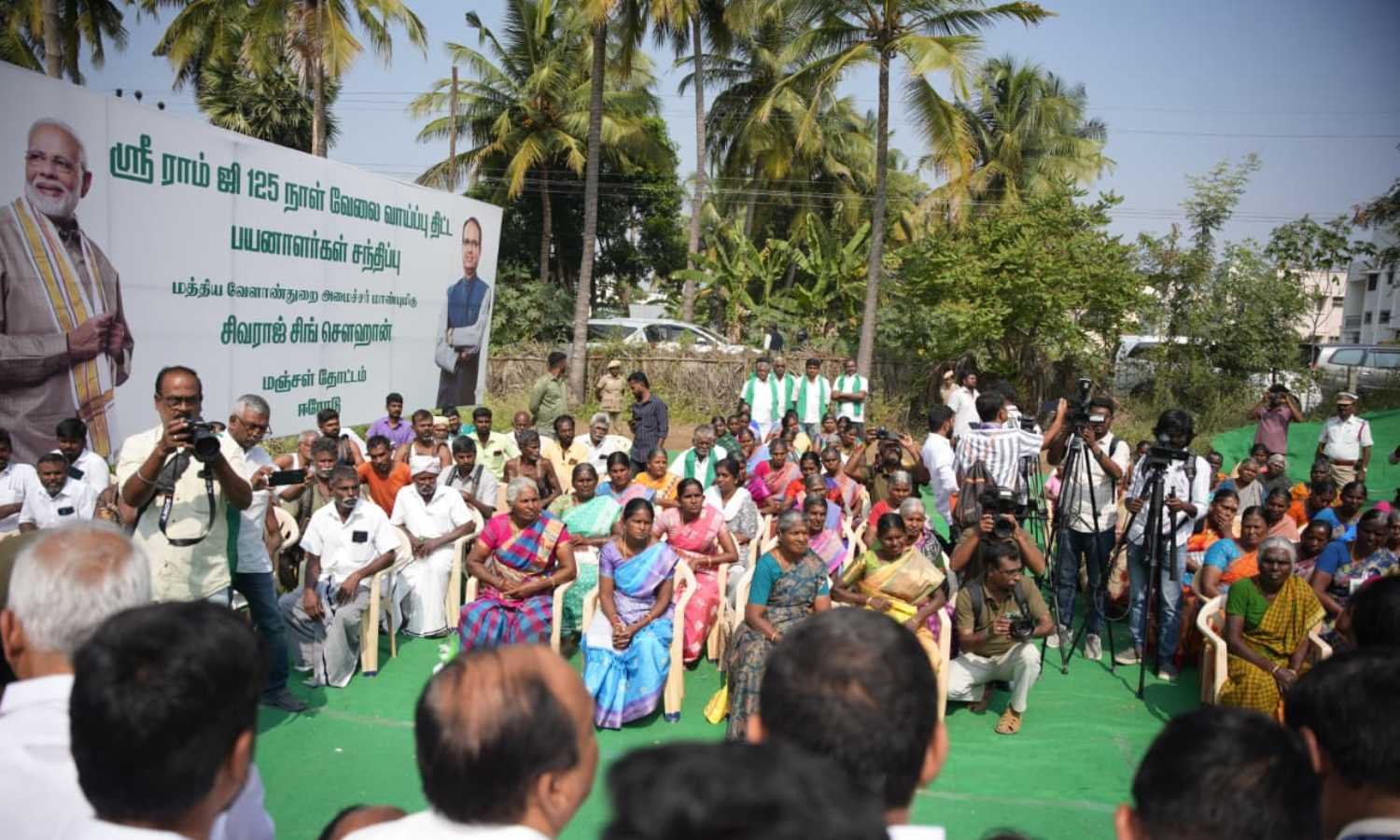
Addressing farmers, labourers, and workers in Erode, Tamil Nadu, the Minister said the law aimed to strengthen employment generation, expand basic facilities, and promote village-level self-sufficiency. He said developed and prosperous villages could be achieved only through active public participation.
Shri Chouhan said the earlier MGNREGA system guaranteed 100 days of work, but many workers did not receive employment on time. In several cases, wages were also delayed. Therefore, the government introduced reforms through the Viksit Bharat–G Ram G Act to address these shortcomings.
He said the new law increased the employment guarantee from 100 days to 125 days. Moreover, workers would receive unemployment allowance if work was not provided within the stipulated period. He added that wages delayed beyond 15 days would now attract interest.
The Minister said administrative expenditure was raised from 6 per cent to 9 per cent. This increase, he said, would ensure timely salaries for field staff and improve implementation efficiency.
Viksit Bharat–G Ram G Act empowers Gram Sabhas, boosts accountability
Shri Chouhan said Gram Sabhas had been empowered under the Act. Village assemblies would now decide which development works to undertake. As a result, decisions would no longer be taken in Chennai or Delhi, but at the village level.
He accused some groups of spreading misinformation about the scheme. However, he asserted that Prime Minister Shri Narendra Modi had ensured direct transfer of funds to workers’ bank accounts, leaving no scope for siphoning off money meant for labourers.
During his visit to Erode’s turmeric market, Shri Chouhan announced the establishment of a turmeric testing laboratory in the city. He directed the Indian Council of Agricultural Research to set up the facility to support quality testing, certification, and better marketing for farmers.
He also assured the setting up of a regional office of the Turmeric Board in Erode. Although the subject falls under the Commerce Ministry, he said he would personally take the initiative to support turmeric farmers with policy backing, market access, and export opportunities.
The Minister stressed the need for cold storage facilities in the Erode region. He said such infrastructure could be developed under central schemes and requested the Tamil Nadu government to use RKVY funds. He also assured action against turmeric smuggling and said a meeting in Delhi would address these issues.
Shri Chouhan later reviewed agricultural innovations, inspected over 100 stalls, and interacted with entrepreneurs and farmers. He also held discussions with more than 1,000 women farmers and participated in cultural programmes organised during the visit.
