
Education Ministry holds QS World University Rankings workshop for Indian HEIs

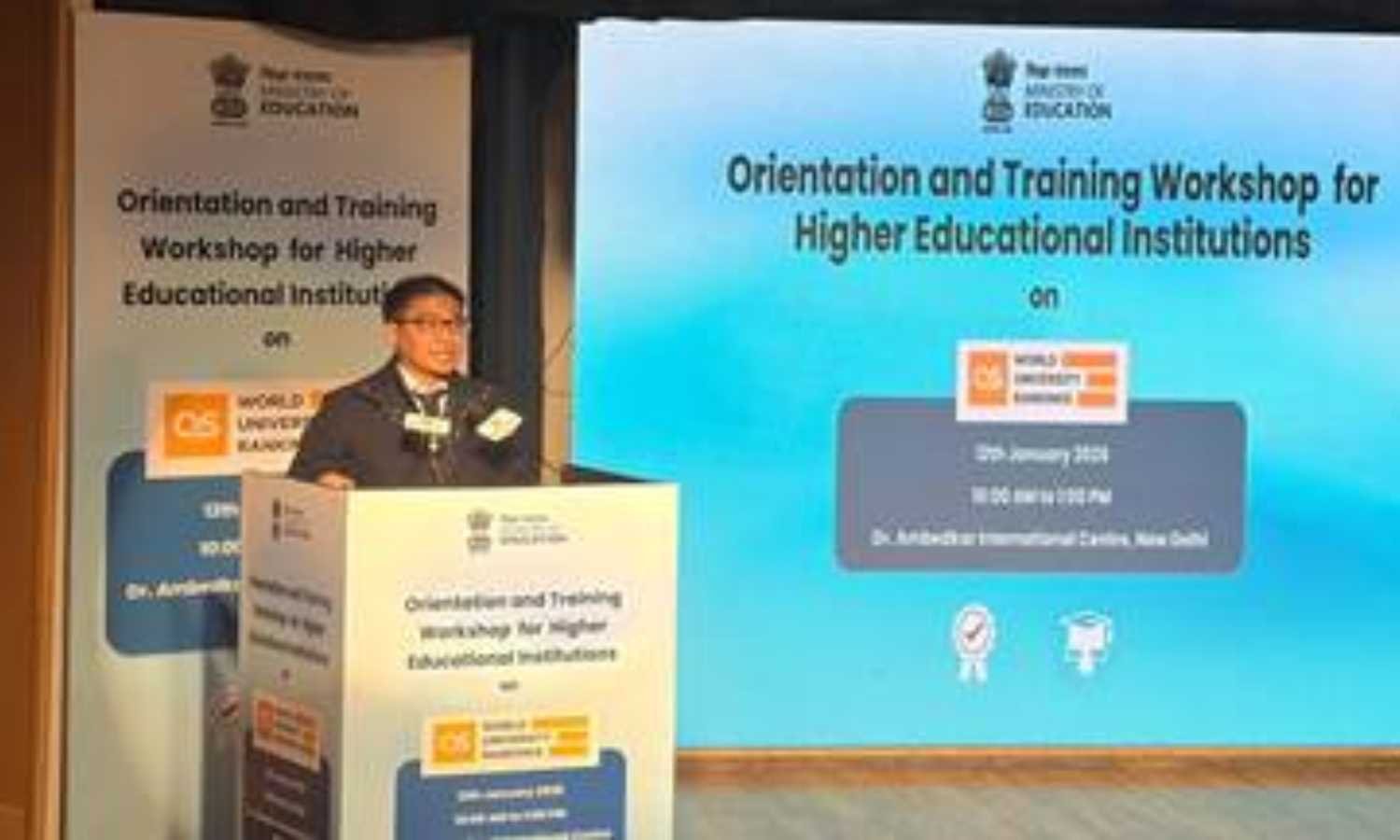
New Delhi: The Ministry of Education organised a QS World University Rankings workshop for Indian Higher Educational Institutions as part of efforts to strengthen their global visibility and academic performance.
The half-day orientation and training programme focused on Vice-Chancellors and Nodal Officers of HEIs. QS Quacquarelli Symonds conducted the workshop to improve understanding of global ranking parameters, best practices, and strategic pathways. The initiative aligned with the objectives of the National Education Policy 2020.
The workshop saw wide participation from Central, State, and private universities, including autonomous institutions across the country. Around 400 participants joined the programme online. In addition, over 60 participants attended the in-person session held at Dr Ambedkar International Centre in New Delhi.
Addressing the gathering, Secretary (Higher Education) Dr Vineet Joshi stressed the importance of global benchmarking for Indian universities. He appreciated the initiative and encouraged HEIs to engage actively with international ranking frameworks. According to him, such engagement would help strengthen academic reputation and global standing.
Joint Secretary in the Ministry of Education Armstrong Pame outlined the Ministry’s internationalisation initiatives. He referred to programmes such as SPARC, supernumerary seats for international students, and the Study in India portal. Moreover, he highlighted that internationalisation indicators carried significant weight in global rankings.
He urged institutions to focus on attracting international students and faculty. He also called for stronger faculty development programmes, long-term academic collaborations, and better institutional outreach. These steps, he said, would improve global visibility and ranking outcomes.
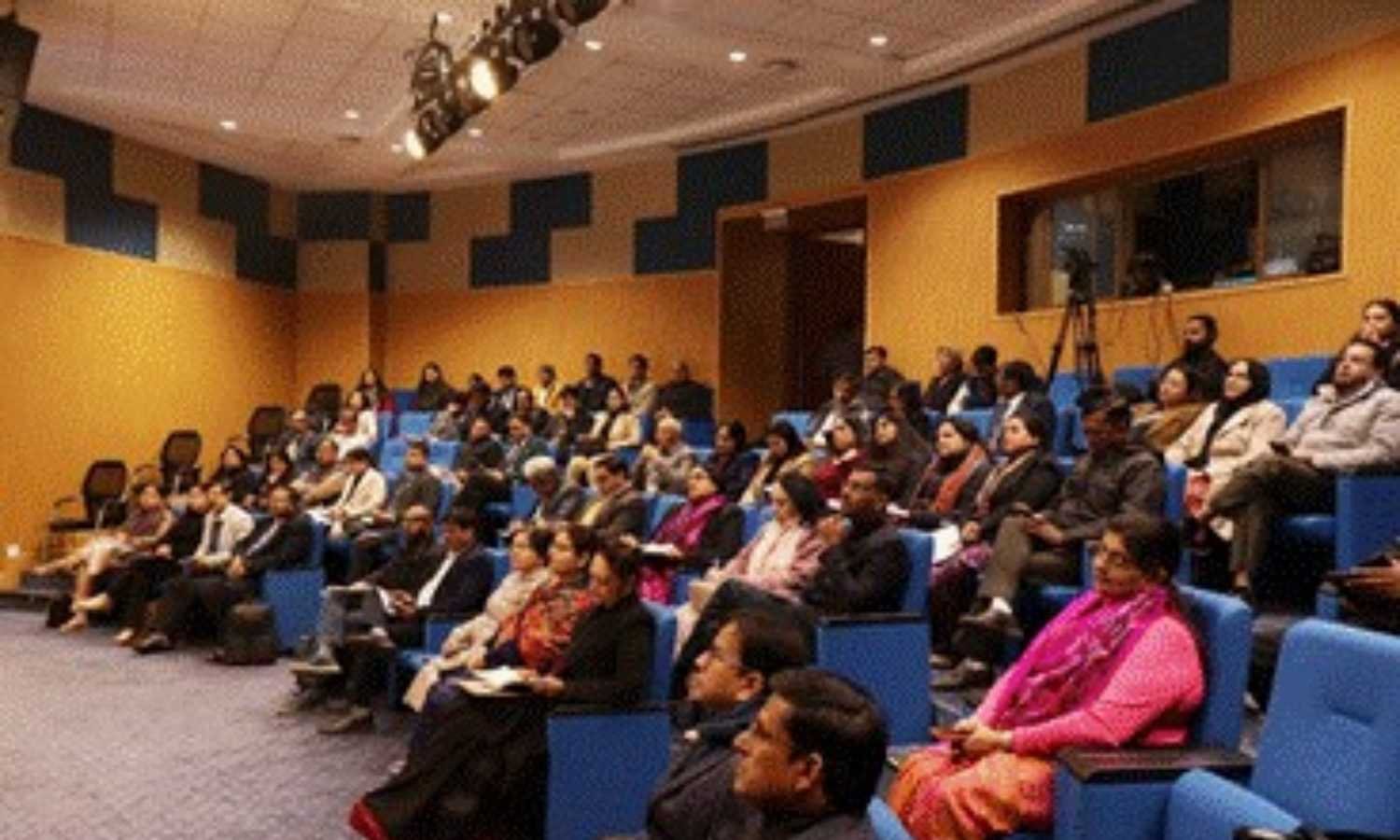
QS World University Rankings workshop highlights India’s rising presence
QS Executive Director (AMESA) Dr Ashwin Fernandes conducted the workshop in two sessions. In the first session, he explained the QS ranking methodology and eligibility criteria. He also outlined multiple entry points for institutional visibility through world, subject, regional, business, and sustainability rankings. Further, he guided participants on data submission through the QS Hub.
The second session focused on research impact and reputation indicators. It covered academic and employer reputation surveys conducted annually by QS. In addition, the session discussed strategies to improve research visibility and citation performance.
Indian HEIs have shown steady improvement in the QS World University Rankings. A record 54 Indian institutions featured in the 2026 edition, compared to just 12 in 2014. This growth reflected India’s rising global academic presence.
However, officials noted that gaps remained in key areas. These included international students and faculty, citations per faculty, and faculty-student ratios. Since these factors carry significant weight in the ranking methodology, capacity-building workshops play a critical role. The Ministry said such initiatives would support India’s broader push towards global academic excellence.
As part of the Ministry of Education’s ongoing efforts to enhance the global visibility and performance of Indian Higher Educational Institutions (HEIs), a half-day Orientation and Training Workshop on QS World University Rankings was organised. The workshop was conducted by Dr… pic.twitter.com/MQI4tt7R05
— Ministry of Education (@EduMinOfIndia) January 12, 2026
