
Draft Electricity (Amendment) Bill 2025 aims to end duplication of power networks

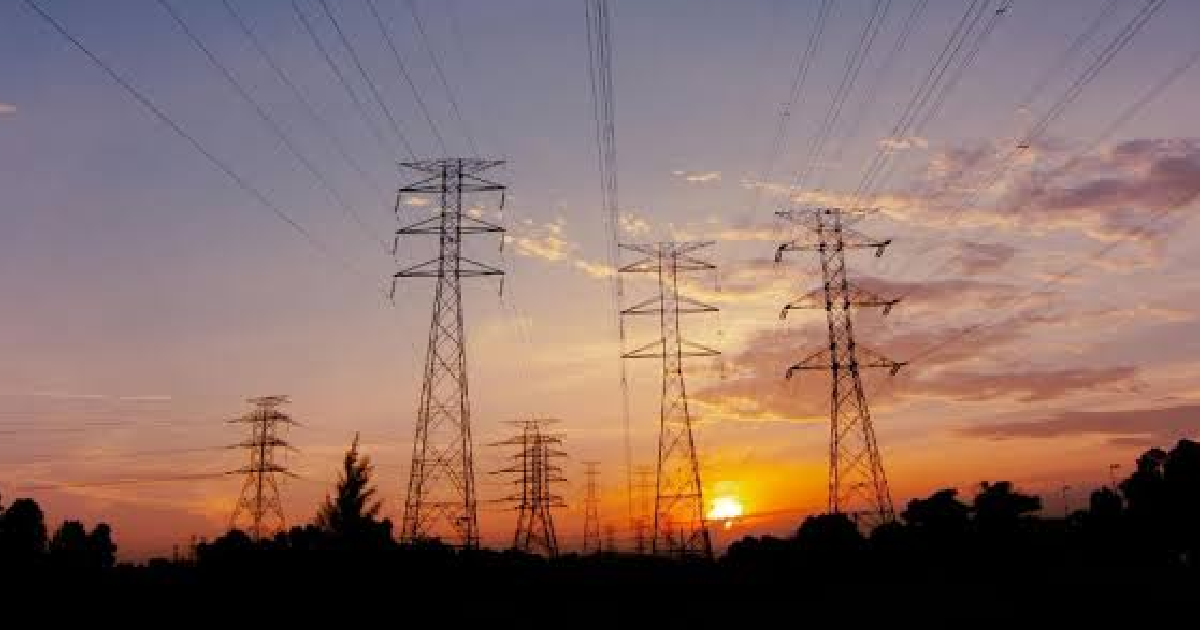
New Delhi: The draft Electricity (Amendment) Bill, 2025 aimed to eliminate wasteful duplication in power distribution by allowing licensees to share existing networks instead of building parallel infrastructure.
The Ministry of Power said the Electricity Act, 2003 already allowed multiple distribution licensees in the same area and ensured non-discriminatory open access. However, current practice forced every new licensee to build separate poles, wires, and substations. This duplication increased overall power costs for consumers.
Under the Electricity Amendment Bill 2025, a distribution licensee could supply power using another licensee’s network. The user licensee would pay charges fixed by the State Electricity Regulatory Commission. The proposal sought to optimise infrastructure use and reduce avoidable capital expenditure.
The ministry clarified that SERCs would continue to define and approve each licensee’s area of supply while granting licences. Existing rules already required a minimum geographical area, such as an entire municipal corporation or at least three adjoining revenue districts, unless notified otherwise.
Electricity Amendment Bill 2025 defines obligations and consumer safeguards
The ministry said every distribution licensee would continue to carry a universal service obligation. Licensees must supply electricity to all consumers in their area, including rural and domestic users, without discrimination. However, SERCs may exempt large consumers in specific cases.
The draft amendment also directed SERCs to frame a transparent system for introducing multiple licensees in the same supply area. According to the ministry, this framework would ensure fairness and prevent misuse of shared networks.
The government said the proposed changes would not harm agricultural or domestic consumers. Instead, competition among suppliers would improve service quality and reliability. It added that state governments would continue subsidies for eligible consumers under Section 65 of the Act.
