

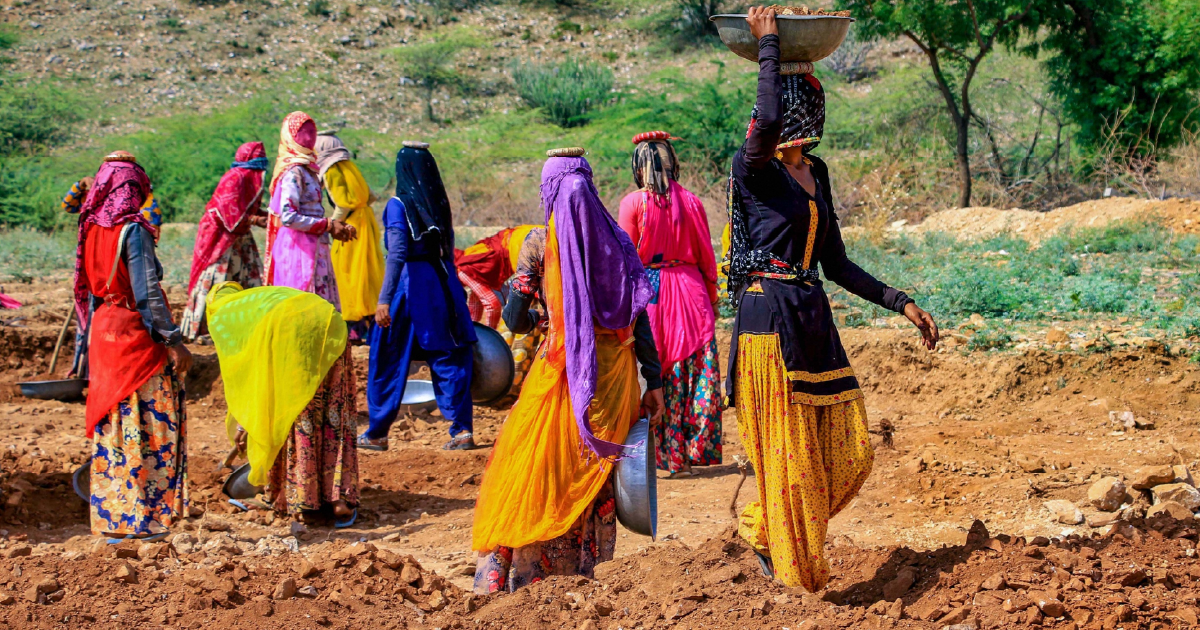
Hyderabad: Rural women employment received stronger statutory support under the VB-G RAM G Act, 2025, the Ministry of Rural Development told the Lok Sabha.
The Ministry said women’s participation under the Mahatma Gandhi NREGS remained above 50% during the last three financial years. The trend continued in the current financial year 2025–26. Building on this, the new Act raised the guaranteed wage employment from 100 to at least 125 days per rural household each year.
The Act strengthened income security by mandating time-bound wage payments. It also introduced a stronger unemployment allowance. Authorities must pay the allowance if they fail to provide work within the prescribed time. The allowance rates remain linked to notified wages. Officials said these measures improved food security and stabilised household consumption.
The Act prioritised works across four themes. These included water security, core rural infrastructure, livelihood infrastructure, and mitigation of extreme weather events. Through Viksit Gram Panchayat Plans, the scheme linked wage employment with asset creation and long-term livelihood growth.
Rural women employment backed by gender-inclusive safeguards
The Act introduced several provisions focused on rural women employment and women-headed households. It made one-third participation of women mandatory. It also issued special job cards for women-headed households and single women.
Schedule I of the Act prioritised individual assets for women-headed households. In addition, the programme focused on livelihood infrastructure such as SHG buildings, work sheds, training centres, compost units, nurseries, livestock shelters, fisheries facilities, storage structures, and rural haats. These assets directly supported women and self-help groups.
The Act introduced a separate Schedule of Rates for women. It also mandated crèche facilities at worksites where five or more children below five years accompanied working women. Women were encouraged to work as Mates to supervise works and ensure transparency.
Women also played a stronger role in social audits. Moreover, the Act mandated one-third representation of women in Central and State Rojgar Guarantee Councils. Grievance redressal systems addressed discrimination, harassment, and violations of worker rights, including those affecting women and vulnerable groups.
Minister of State for Rural Development Kamlesh Paswan shared this information in a written reply in the Lok Sabha.
