
Governor Highlights NCPOR’s Role in India’s Polar Exploration

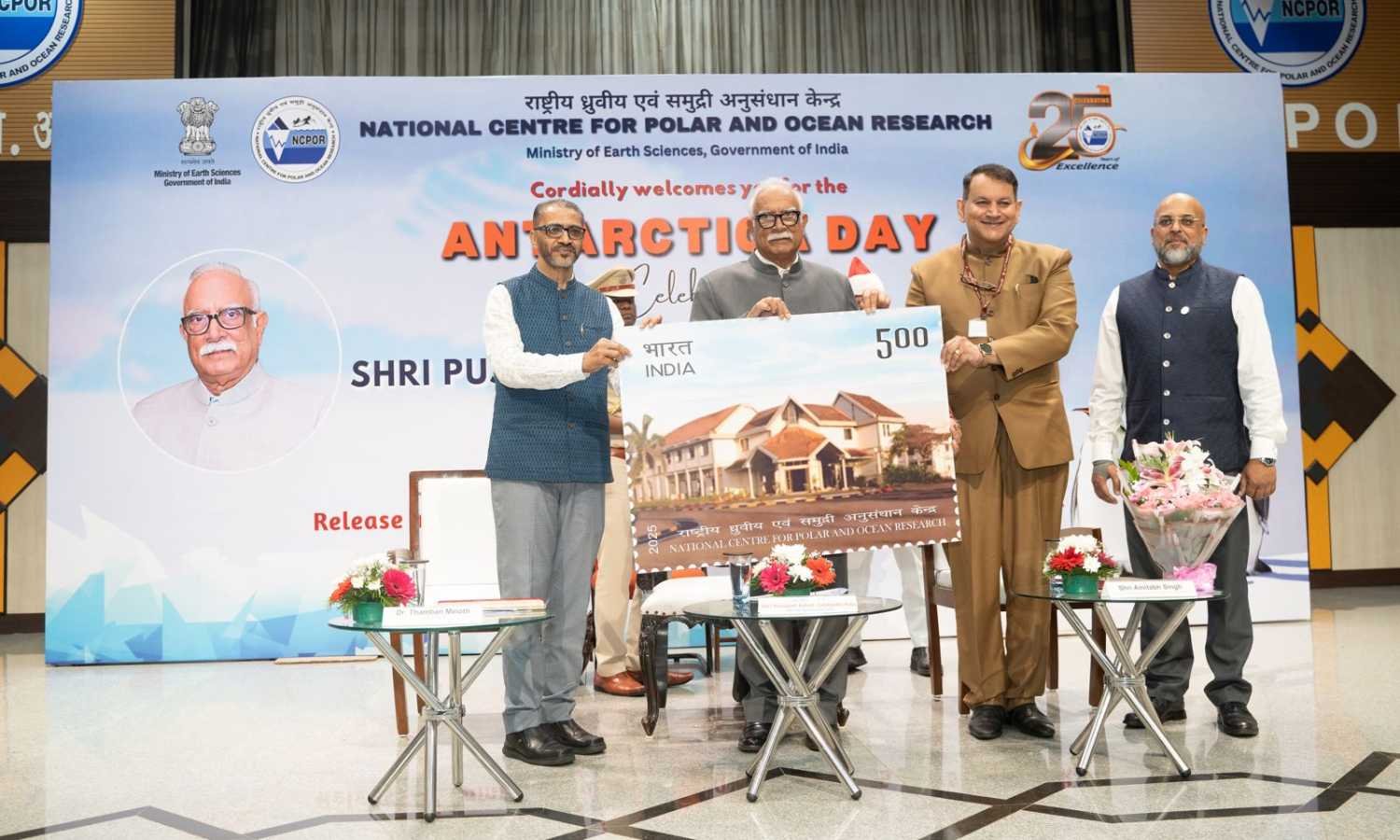
New Delhi: Goa Governor Pusapati Ashok Gajapathi Raju said the National Centre for Polar and Ocean Research has become the anchor of India’s scientific work in extreme regions. He made the remarks during the Antarctica Day celebrations at the NCPOR campus in Vasco-da-Gama. According to him, Antarctica Day marks the signing of the Antarctica Treaty on 1 December 1959, a pact that designates the continent for peaceful activities and scientific research.
Commemoration of Silver Jubilee
The Governor attended the programme as the Chief Guest and released a special commemorative postage stamp marking NCPOR’s Silver Jubilee. Moreover, he said the stamp issued by the Department of Posts serves as a tribute to 25 years of the institution’s contributions to polar and ocean science since its establishment on 05 April 2000.
Focus on Environmental Challenges
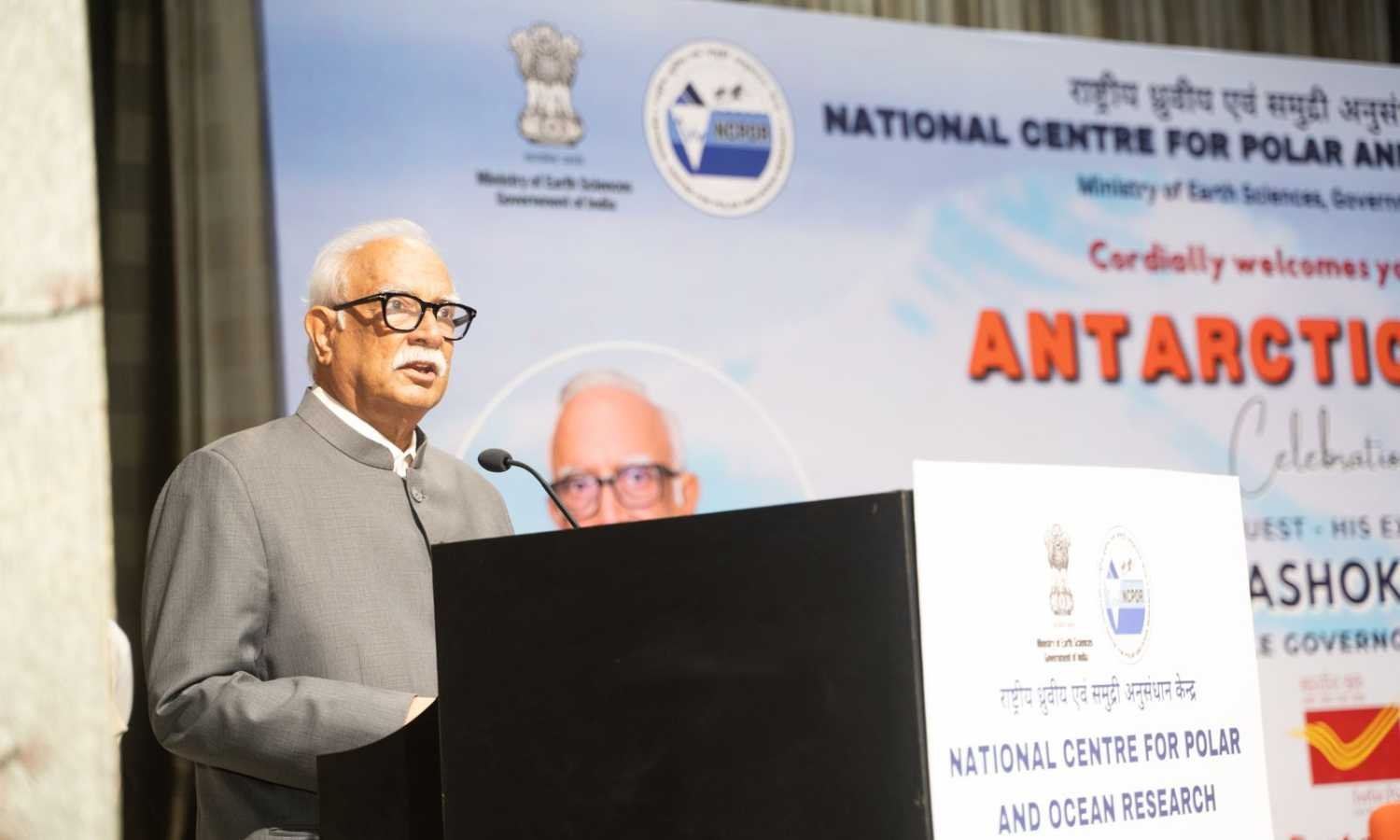
While addressing the gathering, he noted that NCPOR has expanded India’s scientific imagination over the last 25 years. He further stated that the institute has taken leadership in the deep ocean mission. Additionally, he underlined the need for India to anticipate environmental changes linked to the polar regions. Since Antarctica holds nearly 70 percent of the world’s fresh water, he explained that any large-scale melt would affect global sea levels and climate stability. He also affirmed the Goa Government’s commitment to supporting the institute.
Support from the Department of Posts
Guest of Honour Amitabh Singh, Chief Postmaster General of Maharashtra Circle, said the Department of Posts was proud to commemorate the Silver Jubilee and support NCPOR’s scientific journey.
New Projects and Institutional Expansion
In his welcome address, NCPOR Director Dr Thamban Meloth said the Government of India had granted in-principle approval for two major initiatives. These include a new research station named Maitri-II and India’s first indigenous ice-class research vessel. Furthermore, he noted that the institute has been leading scientific expeditions across the Polar regions and the Southern Ocean. He added that India has also operationalised research stations in Antarctica, the Arctic, and the Himalayas.
