
Bhupender Yadav chairs NIRANTAR meeting to boost coordination among MoEFCC institutions

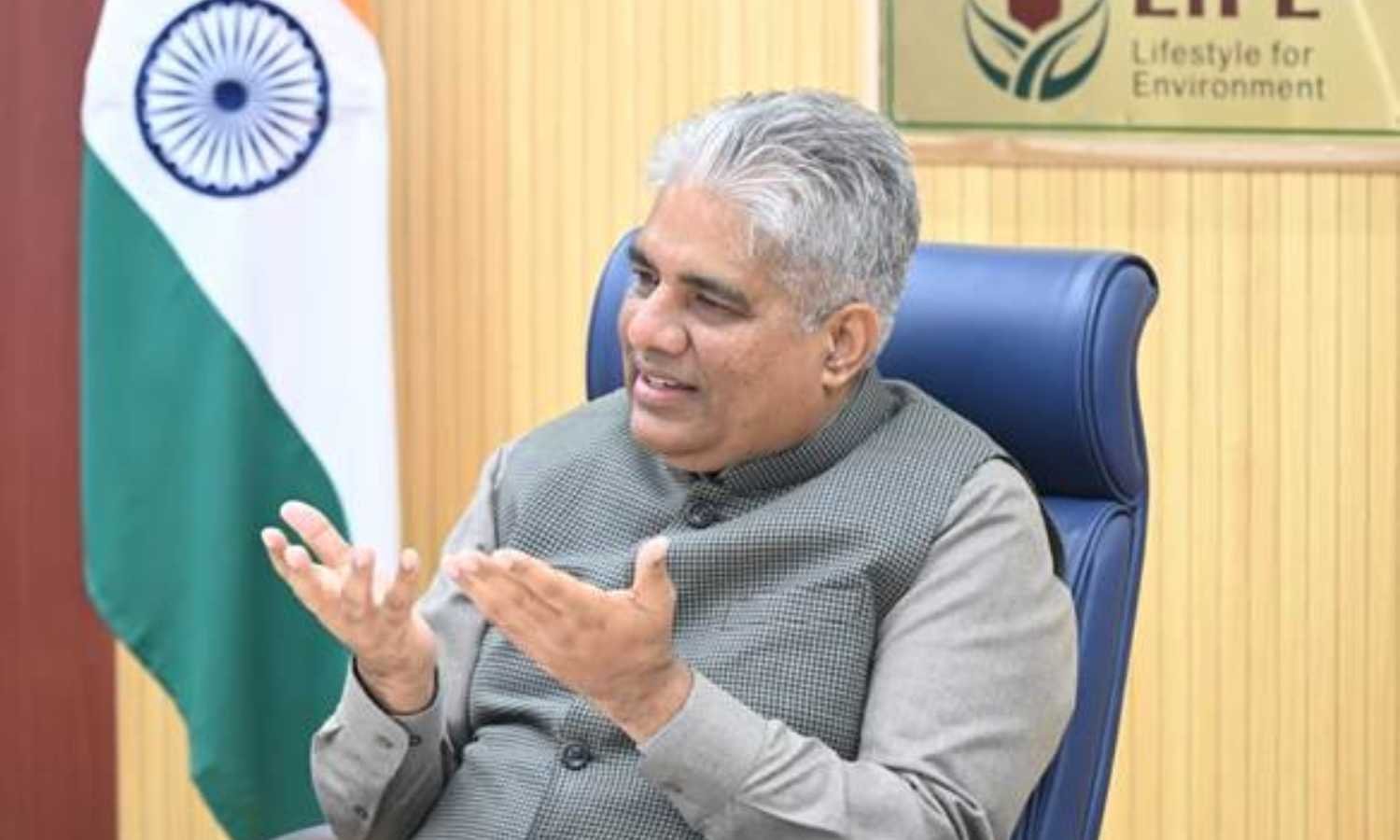
New Delhi: Union Minister for Environment, Forest and Climate Change Bhupender Yadav on Monday chaired a meeting of the NIRANTAR platform to strengthen coordination and collaboration among institutions under the Ministry of Environment, Forest and Climate Change.
Addressing the meeting, the Minister stressed the growing strategic importance of natural resources in global geopolitics. He said India’s strength lay in its rich natural and bioresources, even as the country made progress in manufacturing, data, software, and other industrial sectors. He noted that essentials such as food, medicine, energy, and oil ultimately originated from nature.
Emphasising responsible resource management, Bhupender Yadav said India must adopt a balanced policy that ensured environmental protection while supporting industrial development. He added that the country needed suitable and wise utilisation of its vast natural resource base to sustain long-term growth.
The Minister explained that the NIRANTAR platform functioned through four verticals that focused on research, assessment of outcomes, and effective utilisation. He said the platform could play a crucial role in ensuring the sustainable use of bioresources for development. According to him, coordinated research and application would help bridge gaps between conservation and economic needs.
Referring to climate change, the Minister highlighted concerns over shrinking glaciers. He said development activities in sensitive ecosystems, especially the Himalayas, required careful balancing. He added that institutions such as the G.B. Pant National Institute for Himalayan Ecology and the National Institute for Sustainable Coastal Management could contribute through closer cooperation.
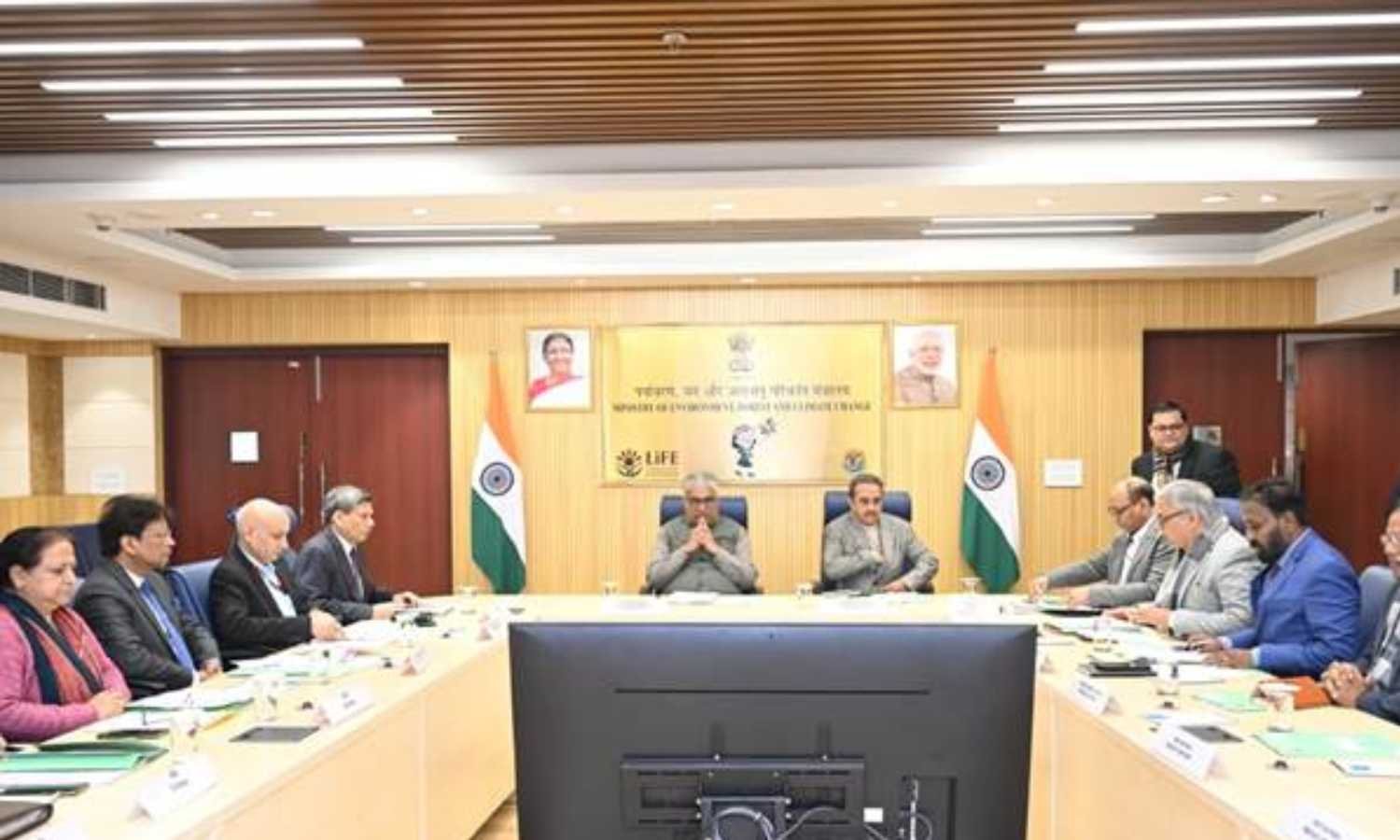
NIRANTAR platform to align research with policy and development
Bhupender Yadav said the MoEFCC should actively contribute to national development while preventing over-exploitation of natural resources. He noted that policies related to conservation and preservation had wide economic implications. Therefore, he said, research institutions must align scientific inputs with policymaking needs.
The Minister said NIRANTAR should focus on three key areas. These included strengthening research, supporting evidence-based policymaking, and identifying the way forward for sustainable development. He also emphasised the importance of institution building through committed and capable human resources.
Highlighting coordination needs, he said even a small group of dedicated scientists could help connect institutions and improve outcomes. He added that better collaboration would reduce duplication and enhance the impact of research efforts.
Concluding the meeting, Bhupender Yadav said a “Whole of Government” approach was essential for the success of the NIRANTAR platform. He stressed that improved coordination and cooperation among institutions would help achieve meaningful and measurable outcomes in environmental governance and sustainable development.
