
Gandipet septic tanker case: Jalmandali files criminal cases, assures water safety

Hyderabad: The Hyderabad Metropolitan Water Supply and Sewerage Board (Jalmandali) booked criminal cases against a tanker driver and owner for attempting to dump septic waste into the Gandipet (Osman Sagar) reservoir and assured residents that drinking water remained safe.
Jalmandali officials said patrolling staff intercepted the private septic tanker during the attempt and alerted the Moinabad police. The police registered criminal cases against the driver and the owner under relevant sections.
The board issued the clarification after videos circulated on social media claiming sewage dumping in the Gandipet reservoir. Jalmandali stated that officials stopped the act in time and prevented any waste from entering the water body.
Officials said the incident occurred on December 17, 2025, at around 8 am near Himayat Nagar village. Patrolling staff noticed a septic tanker bearing registration number TG11 T1833 at FTL point number 428. The tanker was trying to release septic waste into the reservoir.
During questioning, the driver Ramavath Shiva Naik (33) admitted that he acted on the instructions of Niranjan, a resident of Himayat Nagar. Jalmandali officials handed over the tanker and the accused to the police for further investigation.
Gandipet septic tanker violations and water safety measures
Jalmandali identified serious violations in the Gandipet septic tanker case. The tanker illegally displayed the HMWSSB logo without permission. Officials said the misuse aimed to mislead the public and bypass inspections. The board also found that the vehicle was not registered with Jalmandali.
Officials warned that dumping sewage into a protected reservoir could threaten public health. Osman Sagar supplies drinking water to lakhs of Hyderabad residents, making strict protection essential.
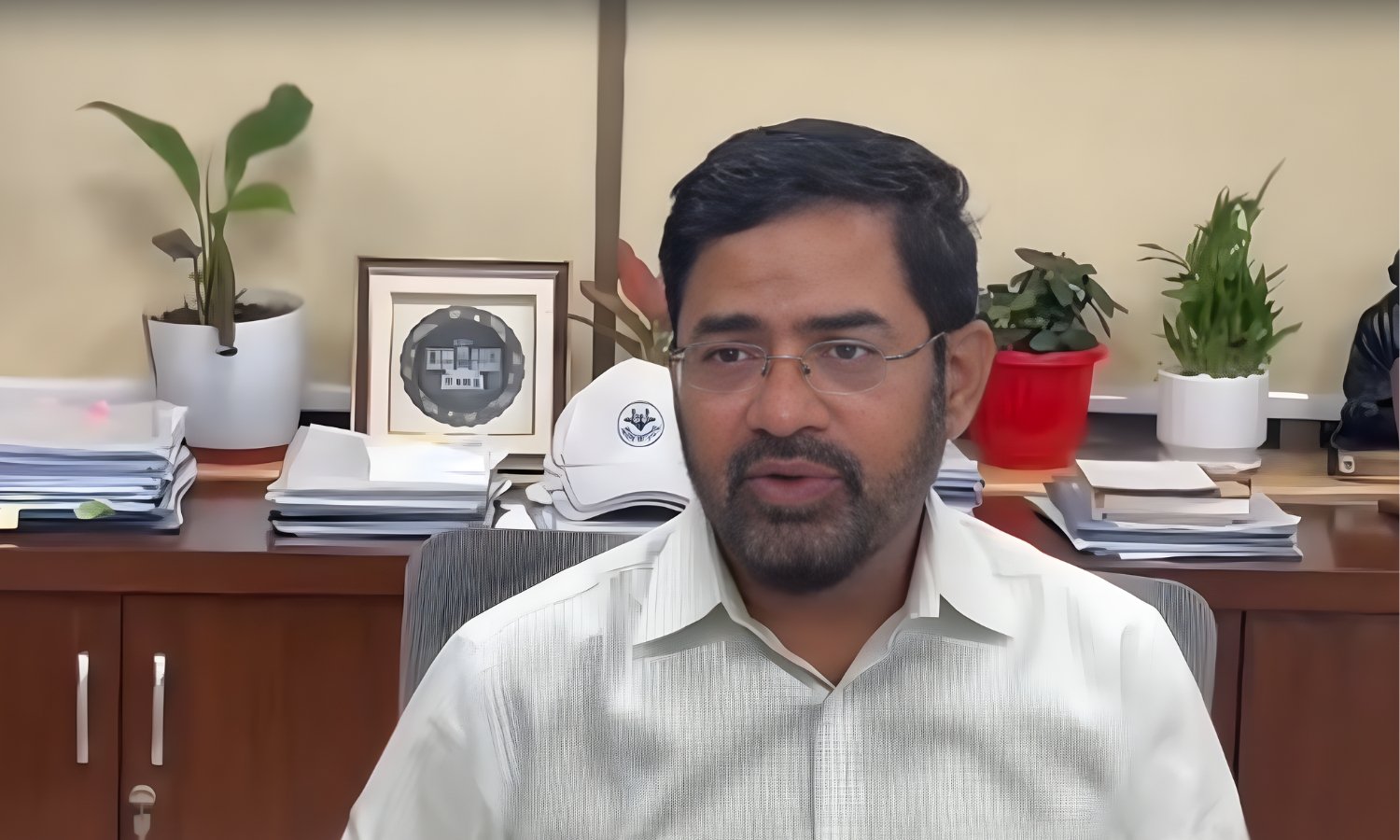
Addressing public concern, Jalmandali Managing Director Ashok Reddy said there was no need for panic. He said Osman Sagar water undergoes continuous monitoring and scientific treatment before supply.
Jalmandali transports the water to the Asif Nagar and Mir Alam water treatment plants. Officials test water quality every hour, he added.
Ashok Reddy said Jalmandali follows a three-stage chlorination process. Chlorination takes place at treatment plants, main balancing reservoirs and service reservoirs. The board ensures a minimum chlorine level of 0.5 ppm, as per Indian Standard IS 10500:2012.
He also said Jalmandali was building sewage treatment plants on both sides of the twin reservoirs. These plants will handle sewage from nearby areas. Officials expect completion within six months, enabling 100% sewage treatment.
Ashok Reddy said Jalmandali would not tolerate any attempt to pollute drinking water sources. He added that the board would strengthen surveillance to prevent similar incidents.
