
India reviews fuel supply and safety measures after West Asia developments

New Delhi: The Government of India reviewed fuel supply measures and safety preparedness across sectors following recent developments in West Asia.
Officials said steps are in place to ensure stable availability of petrol, diesel and LPG across the country. Refineries are operating at high capacity and maintaining adequate crude oil inventories.
India remains self-sufficient in petrol and diesel production. Therefore, the country does not require imports to meet domestic demand.
Oil Marketing Companies reported no fuel dry-outs at retail outlets. Moreover, petrol and diesel supplies continue without disruption.
Authorities also urged citizens to avoid panic buying. According to officials, sufficient stocks of petroleum products remain available nationwide.
Natural gas supply continues to prioritise key sectors. The government is maintaining 100 per cent supply for PNG and CNG consumers. However, authorities have regulated gas supply to industrial and commercial users at about 80 per cent.
Fuel supply measures include LPG monitoring and PNG shift
The government continues to monitor LPG availability due to the evolving situation in West Asia. Officials reported no LPG shortages at distributorships across the country.
LPG bookings dropped to about 77 lakh on March 14 compared with 88.8 lakh bookings a day earlier. Meanwhile, online cylinder bookings rose from 84 percent to nearly 87 percent.
Authorities are encouraging commercial LPG users in major cities to shift to PNG connections wherever possible. Senior officials from the Ministry of Petroleum and Natural Gas held a review meeting on March 14 with PNGRB and city gas distribution companies.
The government also amended the LPG Control Order on March 14. Under the rule, consumers with PNG connections must surrender their domestic LPG connections. Authorities will also stop issuing new LPG connections to PNG consumers.
Officials also revised booking intervals to ensure fair distribution. Consumers can now book cylinders every 25 days in urban areas and every 45 days in rural regions.
State governments are monitoring the supply of essential fuels. So far, 22 states and Union Territories have set up control rooms to track the situation.
Enforcement teams are also conducting raids to stop hoarding and black marketing of LPG cylinders. Officials reported inspections in states such as Andhra Pradesh and Bihar.
The government allocated an additional 48,000 kilolitres of kerosene to states and Union Territories. Authorities are also encouraging alternate fuels like kerosene and coal in sectors such as hospitality.
Officials also urged citizens to use digital platforms such as IVRS calls, SMS booking, WhatsApp and mobile apps to book LPG cylinders.
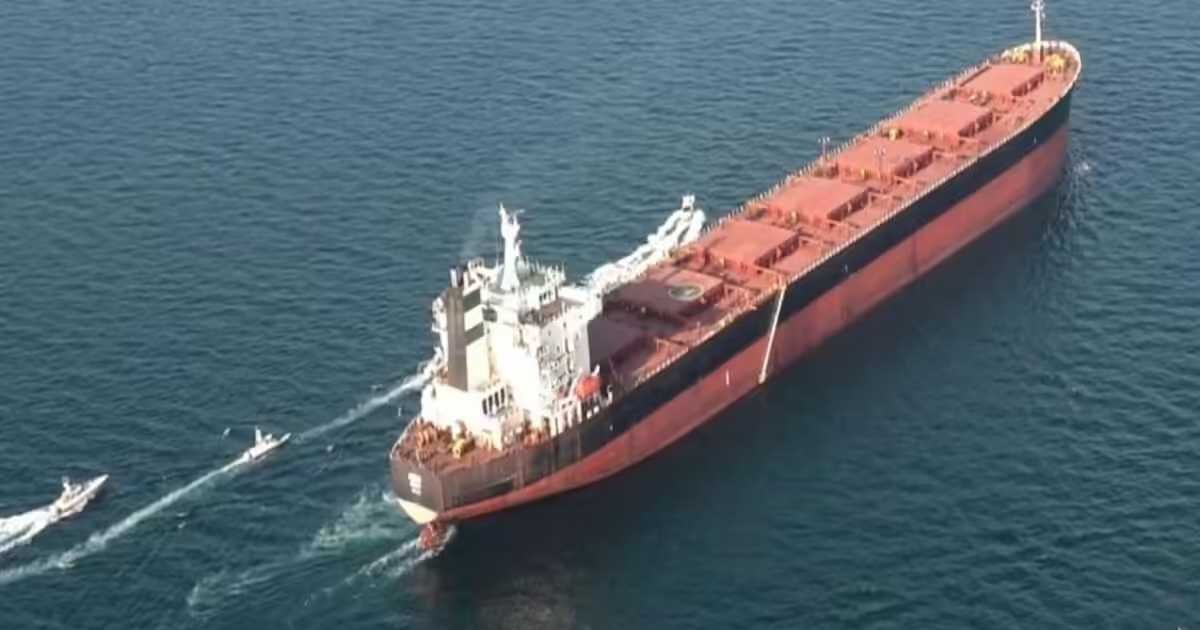
Maritime authorities are also monitoring vessel movements in the region. The Indian-flagged vessel Jag Laadki sailed safely for India after an incident at the Fujairah oil terminal.
Two LPG carriers, Shivalik and Nanda Devi, are currently sailing to India with about 92,712 metric tonnes of LPG. They will reach Mundra Port on March 16 and Kandla Port on March 17.
Officials confirmed that Indian seafarers in the region remain safe. The Directorate General of Shipping continues to track the situation with shipping companies and Indian missions.
Indian diplomatic missions in West Asia are also running round-the-clock helplines. Authorities said the safety of Indian nationals in the region remains the government’s top priority.
