

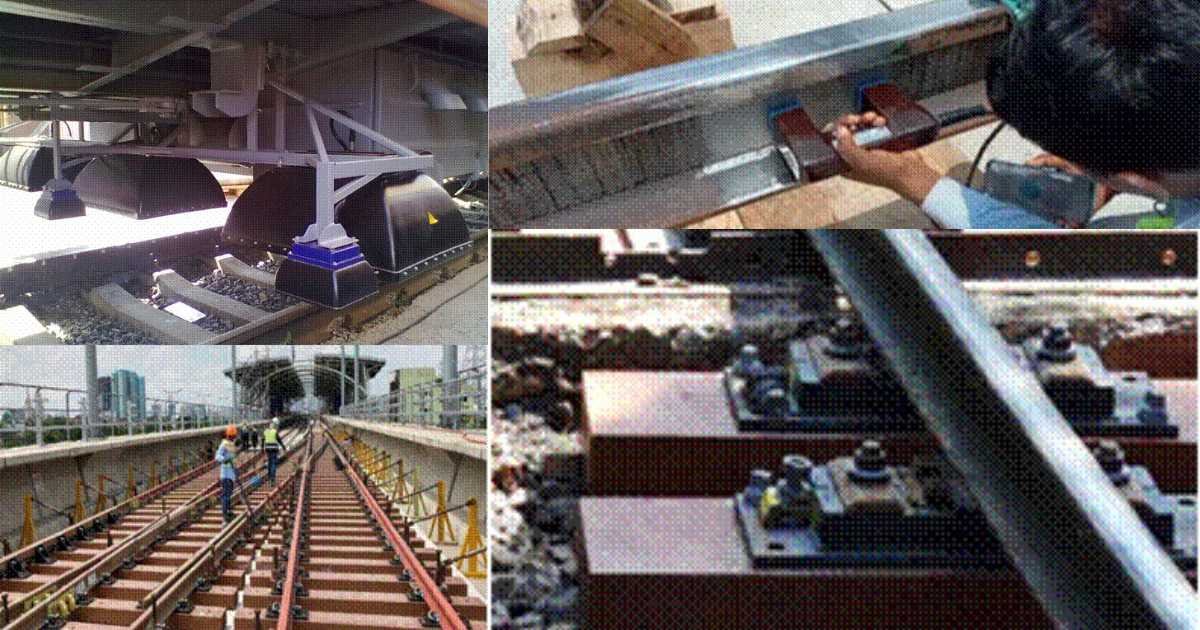
New Delhi: Indian Railways has announced the introduction of composite sleepers to improve safety, durability and passenger comfort across its network.
The decision was taken during a high-level review meeting at Rail Bhavan chaired by Railway Minister Ashwini Vaishnaw. Officials said the move will enhance track performance, especially in sensitive sections such as bridge approaches and points & crossings.
Composite sleepers improve durability and ride quality
The new sleepers, made from mixed materials, are lighter than traditional iron and concrete alternatives. At the same time, they can withstand loads of up to 700 kg per square centimetre, making them more durable and efficient.
Engineers can customise these sleepers based on site-specific requirements. As a result, installation and maintenance become easier. Their improved cushioning also ensures a smoother ride, particularly when trains pass over bridges and complex track structures.
Railways expects that the use of these advanced materials will reduce long-term maintenance costs while improving overall track reliability.
AI-based monitoring strengthens railway safety
In another key decision, Indian Railways will deploy Artificial Intelligence to monitor track conditions more effectively. Inspection vehicles will be equipped with Ground Penetration Radar systems to assess the strength and health of the track base.
This AI-enabled approach will help detect potential issues early and prevent failures, thereby enhancing operational safety.
Additionally, authorities have approved the use of Magnetic Particle Testing to improve weld quality in railway tracks. This technique can identify even minor defects in welded joints, ensuring higher standards of track integrity.
Focus on safer and modern rail infrastructure
Officials said these steps reflect the organisation’s continued focus on modernisation and passenger safety. The adoption of advanced materials and digital technologies marks a significant shift towards smarter railway infrastructure.
The latest measures are expected to improve travel comfort while strengthening the safety framework of one of the world’s largest rail networks.
