
Indian Railways allocates ₹34,000 crore to boost passenger amenities, crowd management

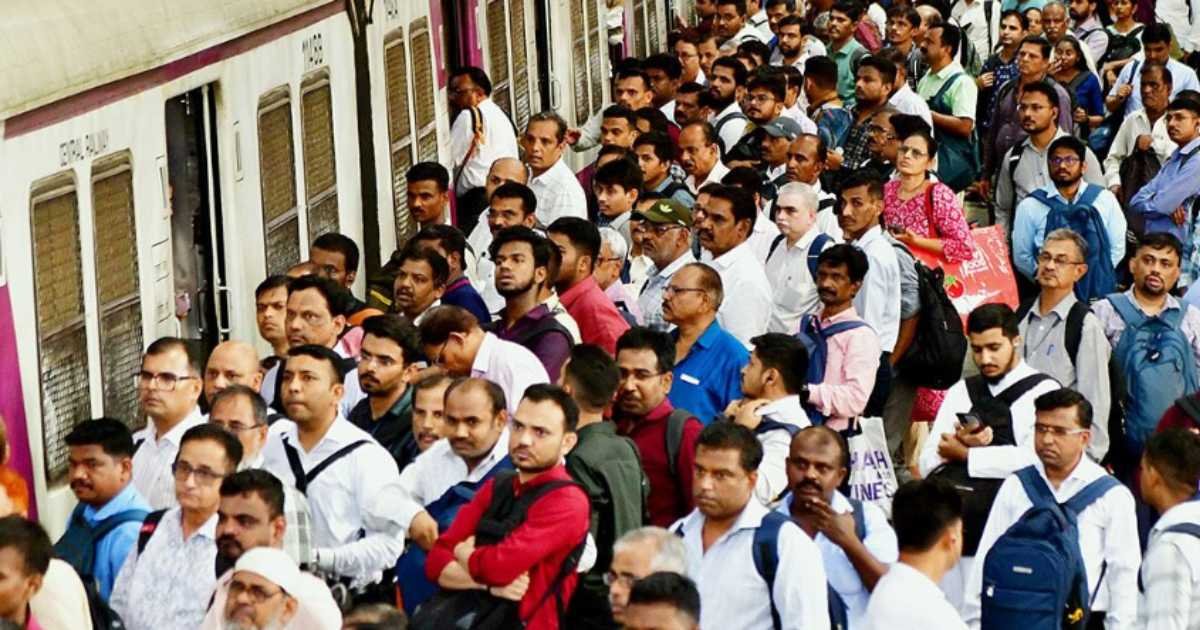
New Delhi: Indian Railways has allocated over ₹34,000 crore in the last three years to enhance passenger amenities and improve crowd management across stations.
The investment covers ₹9,392 crore in 2023-24, ₹12,884 crore in 2024-25 and ₹12,018 crore in 2025-26. Therefore, the initiative reflects a major push to upgrade infrastructure and manage rising passenger footfall.
As part of the plan, Railways identified 76 crowded stations for developing permanent holding areas. These spaces are designed to reduce congestion and improve passenger flow.
The holding areas will include seating, drinking water, toilets, ticketing counters, information systems and security checks. Notably, a holding area at New Delhi Railway Station is already operational.
Passenger amenities expansion focuses on crowd management measures
In addition, 23 stations across Madhya Pradesh, Maharashtra and Uttar Pradesh are under development. These include major hubs such as Bhopal, Lucknow, Varanasi and Chhatrapati Shivaji Terminus.
Railways also introduced complete access control at select stations. Passengers with confirmed tickets can directly enter platforms, while others will wait in designated areas.
Moreover, wider foot-over-bridges with standard designs of 12 metres and 6 metres are being installed to ease movement. These upgrades aim to handle heavy rush, especially during festive seasons.
To strengthen surveillance, authorities are installing AI-enabled CCTV cameras. At the same time, war rooms are being set up at major stations for real-time coordination.
Further, new digital communication tools such as walkie-talkies and announcement systems are being deployed. Staff will also receive QR-based ID cards and redesigned uniforms for better identification.
Railways has upgraded the Station Director role by giving senior officers financial powers for quick decisions. In addition, ticket sales will be regulated based on station capacity.
These measures aim to ensure safer and more efficient travel, particularly during peak travel periods.
