

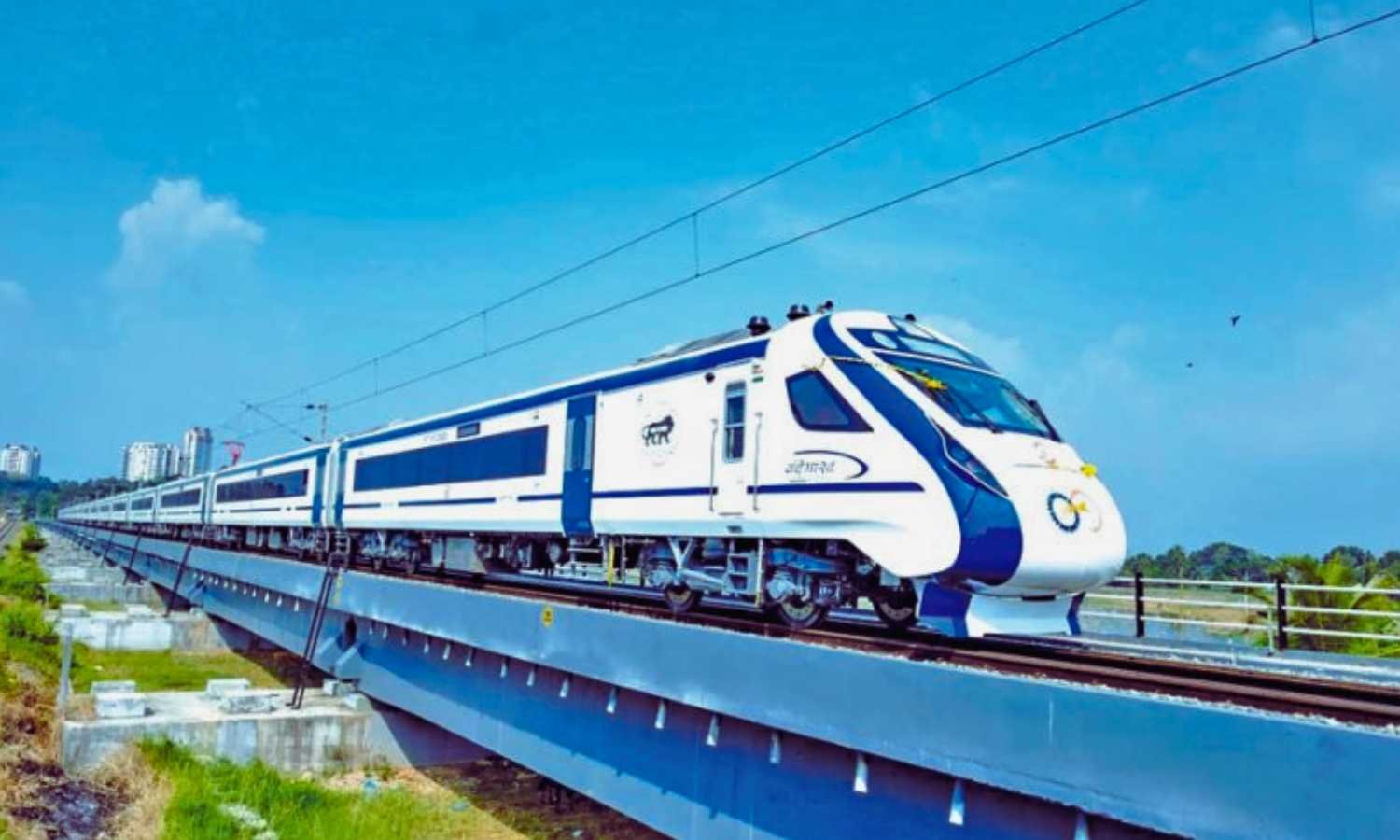
New Delhi: Indian Railways strengthened track modernisation efforts in 2024–25 by completing extensive renewal works aimed at improving safety and operational reliability.
During the financial year, the national transporter renewed 6,851 track kilometres across the network. This work focused on replacing ageing assets and stabilising key routes. As a result, rail authorities improved track geometry and reduced maintenance risks on busy corridors.
In 2025–26, Indian Railways continued the push, with renewal work underway on more than 7,500 track kilometres. Officials also planned renewal of 7,900 track kilometres in 2026–27. These steps reflected sustained investment in long-term asset safety.
The track modernisation programme followed a focused execution strategy over the last eleven years. Railway officials prioritised safer train movement and higher operating speeds. They also aimed to improve passenger comfort and network resilience.
To support smooth operations, Indian Railways increased turnout renewal at junctions and yards. In 2024–25, the system installed 7,161 Thick Web Switches and 1,704 Weldable CMS Crossings. In 2025–26, provisioning rose to over 8,000 Thick Web Switches and more than 3,000 Weldable CMS Crossings.
Track modernisation enables higher speeds across network
Indian Railways also expanded mechanised ballast maintenance under the track modernisation drive. During 2024–25, teams completed deep screening over 7,442 track kilometres. In the current year, crews are carrying out deep screening on more than 7,500 track kilometres. This work improved track stability and ride quality.
To speed up maintenance, Indian Railways expanded its track machine fleet. Since 2014, the organisation procured over 1,100 track machines. These machines helped railway zones complete renewal and maintenance tasks faster.
Safety fencing remained a priority on high-speed routes. Indian Railways installed about 15,000 kilometres of fencing along tracks. This step reduced cattle run-over incidents and limited trespassing. Officials focused fencing on sections where trains run above 110 kmph.
Due to sustained track modernisation, high-speed-capable routes expanded sharply. Track permitting speeds of 110 kmph and above increased from 31,445 kilometres in 2014 to 84,244 kilometres at present. This now covers nearly 80 per cent of the rail network. The upgrade has enabled faster, safer and more reliable train operations nationwide.
