
Dr Sravan Dasoju urges full RPwD Act implementation in Legislative Council

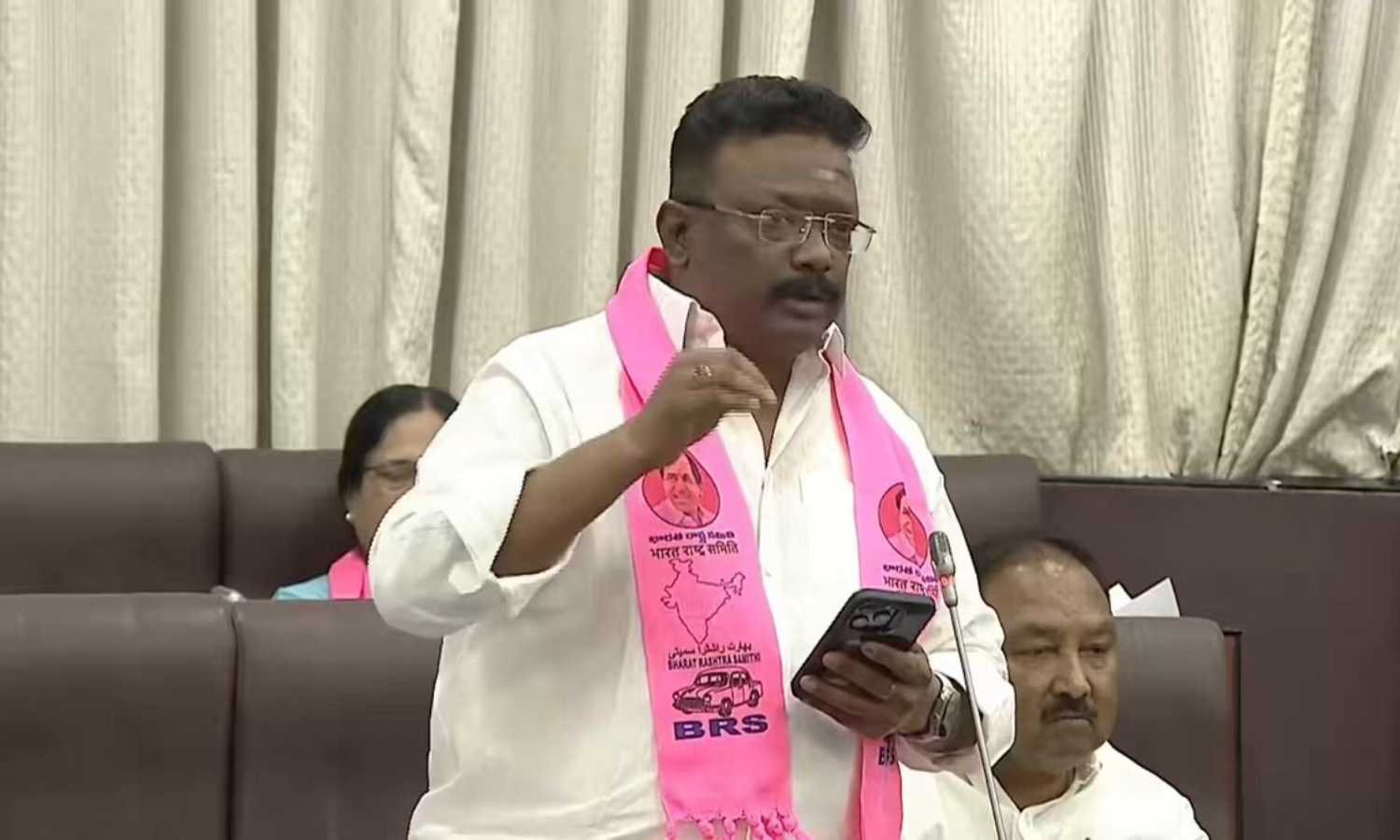
Hyderabad: The demand for full RPwD Act implementation was raised in the Legislative Council on Monday as Dr Sravan Dasoju urged the State government to move beyond symbolic compliance and enforce the law in its true spirit.
Addressing the House, Dr Dasoju appealed to the Chief Minister to treat inclusivity as a moral imperative rather than an administrative formality. He said partial enforcement of the Rights of Persons with Disabilities Act, 2016 had left thousands of families struggling to access basic entitlements.
While acknowledging the government’s recent decision to mandate 5% reservation for persons with disabilities in higher education, Dr Dasoju cautioned that the measure alone remained insufficient. Without wider reforms, he said, the law presented a distressing picture of unfulfilled promises.
According to Dr Dasoju, parents of children with disabilities were forced to move from office to office to claim benefits guaranteed under law. He said the problem had worsened after the Act expanded recognition to 21 categories of disabilities.
He pointed out that autism, chronic neurological conditions and mental illness now fell under the Act. However, he said poor awareness among educators and limited diagnostic facilities continued to deny early intervention.
As a result, Dr Dasoju said families from poor and middle-class backgrounds were pushed towards costly private centres. He described this gap as a growing social menace that exposed vulnerable families to exploitation.
RPwD Act implementation needs systemic reforms
Raising specific proposals in the Council, Dr Dasoju called for mandatory reservation and financial support across both public and private institutions. He said such benefits must begin at the primary level, not remain limited to higher education.
He also urged the government to establish State-funded therapeutic centres. According to him, affordable care would reduce dependence on expensive private services.
To strengthen early identification, Dr Dasoju sought the appointment of trained psychologists and special educators in every school. He said timely intervention could significantly improve learning outcomes for children with disabilities.
On financial support, he demanded full fee concessions and stronger scholarship schemes. He said no child’s education should end due to poverty or disability.
Dr Dasoju further called for accountability mechanisms. He proposed a dedicated monitoring and evaluation body at State and district levels to ensure compliance with the RPwD Act.
Emphasising collaboration, he urged the government to work with medical professionals and non-governmental organisations. He said such partnerships would help translate policy into effective action.
“Our children are our future,” Dr Dasoju said. He added that equal opportunity formed the foundation of a just and compassionate society.
He concluded by urging the government to act decisively. According to him, ensuring dignity and opportunity for persons with disabilities was the only path to a more equitable future.
