

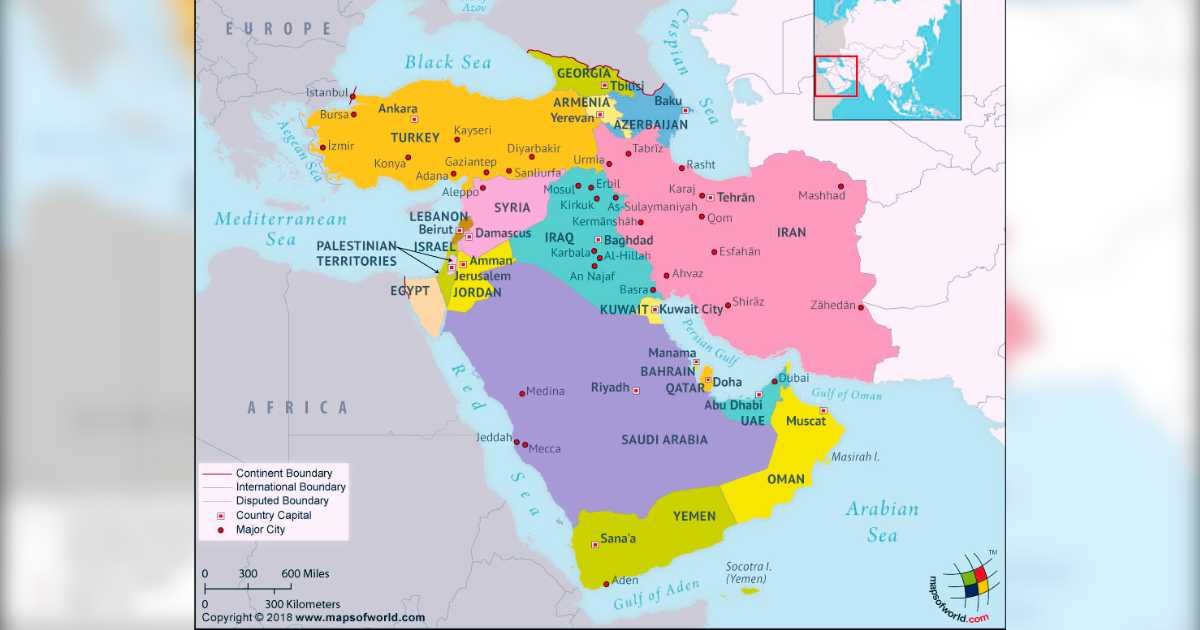
New Delhi: The Centre said India’s energy supplies remain secure despite recent developments in West Asia, officials said during an inter-ministerial West Asia briefing in New Delhi.
Senior officers from the Ministries of Petroleum and Natural Gas, External Affairs, Ports, Shipping and Waterways, and Information and Broadcasting briefed the media at the National Media Centre.
Officials said India diversified crude imports across nearly 40 countries. As a result, about 70 per cent of crude imports now arrive through routes outside the Strait of Hormuz.
India consumes about 55 lakh barrels of crude oil daily. Current secured supplies exceed the volume that normally passes through the Strait of Hormuz during this period.
Two additional crude cargoes are already on the way to India. Refineries across the country also operate at very high capacity utilisation levels.
Officials also reviewed the natural gas situation during the West Asia briefing.
India consumes around 189 MMSCMD of natural gas. Domestic production supplies about 97.5 MMSCMD.
However, about 47.4 MMSCMD of gas supply has been affected by force majeure conditions. Authorities are securing LNG cargoes from alternative sources to offset the disruption.
The government issued a Natural Gas Control Order on March 9, 2026 under the Essential Commodities Act to manage supply.
Domestic PNG connections and CNG for vehicles will continue to receive full supply. Tea industries and manufacturing units connected to the gas grid will receive about 80 per cent of their previous supply.
Fertiliser plants will receive about 70 per cent supply. Refineries and petrochemical units will reduce their consumption so priority sectors remain protected.
West Asia briefing reviews LPG supply measures
Officials said India imports about 60 per cent of its LPG consumption. Nearly 90 per cent of these imports usually pass through the Strait of Hormuz.
The government directed refineries and petrochemical complexes to increase LPG production. They diverted propane, butane and other streams to the LPG pool.
As a result, domestic LPG production increased by about 25 per cent. Authorities now direct the entire domestic production towards household consumers.
For non-domestic LPG, priority goes to essential sectors such as hospitals and educational institutions.
The government also formed a three-member committee of executive directors from IOCL, HPCL and BPCL. The panel will review LPG allocation to restaurants, hotels and other commercial users.
Officials said the domestic LPG cylinder price in Delhi stands at ₹913 after a recent ₹60 increase. However, PMUY beneficiaries continue to pay ₹613 per cylinder.
Field feedback shows some panic booking and hoarding behaviour. Authorities said the normal delivery cycle remains about 2.5 days.
As a temporary demand management measure, the minimum gap between LPG bookings increased from 21 days to 25 days.
Maritime monitoring and diaspora safety measures
Officials from the shipping ministry also briefed the media about maritime developments in the Persian Gulf.
At present, 28 Indian-flagged vessels operate in the region with 778 Indian seafarers onboard. Authorities continue to monitor their safety.
A 24-hour control room has operated since February 28 to track developments and coordinate assistance.
Port operations across India remain stable. Authorities directed ports to assist exporters and ensure uninterrupted EXIM trade.
The Ministry of External Affairs said the safety of Indian nationals in West Asia remains a priority.
India has a diaspora of about one crore people in GCC countries. Indian missions continue to issue advisories and assist citizens where necessary.
Officials confirmed that two Indian nationals died in attacks on merchant ships. Another person remains missing.
Several injured nationals are receiving treatment and assistance from Indian missions.
The Union Home Secretary also held a meeting with Chief Secretaries and Directors General of Police of all States and Union Territories.
States received instructions to act against hoarding and black marketing of essential commodities. They must also share verified updates through official communication channels.
