


New Delhi: The WHO traditional medicine meeting took place in New Delhi on December 20 and 21, 2025, where the World Health Organization convened a technical project meeting to develop global intervention codes for traditional medicine.
WHO organised the two-day meeting at Hotel Imperial. The event followed the Memorandum of Understanding and Donor Agreement signed with the Ministry of Ayush on May 24, 2025. Under this agreement, India supports the creation of a dedicated Traditional Medicine module within the International Classification of Health Interventions.
Officials said the initiative aims to integrate Ayurveda, Siddha and Unani into global healthcare systems through standardised coding. India is providing financial support and technical expertise for the project. The framework seeks to align traditional systems with international health information standards.
The initiative reflects Prime Minister Narendra Modi’s vision to expand Ayush systems globally through scientific methods. In earlier remarks, the Prime Minister said standardisation would help Ayush reach wider populations. Ayush Secretary Vaidya Rajesh Kotecha also said a dedicated ICHI module would support safe and evidence-based healthcare.
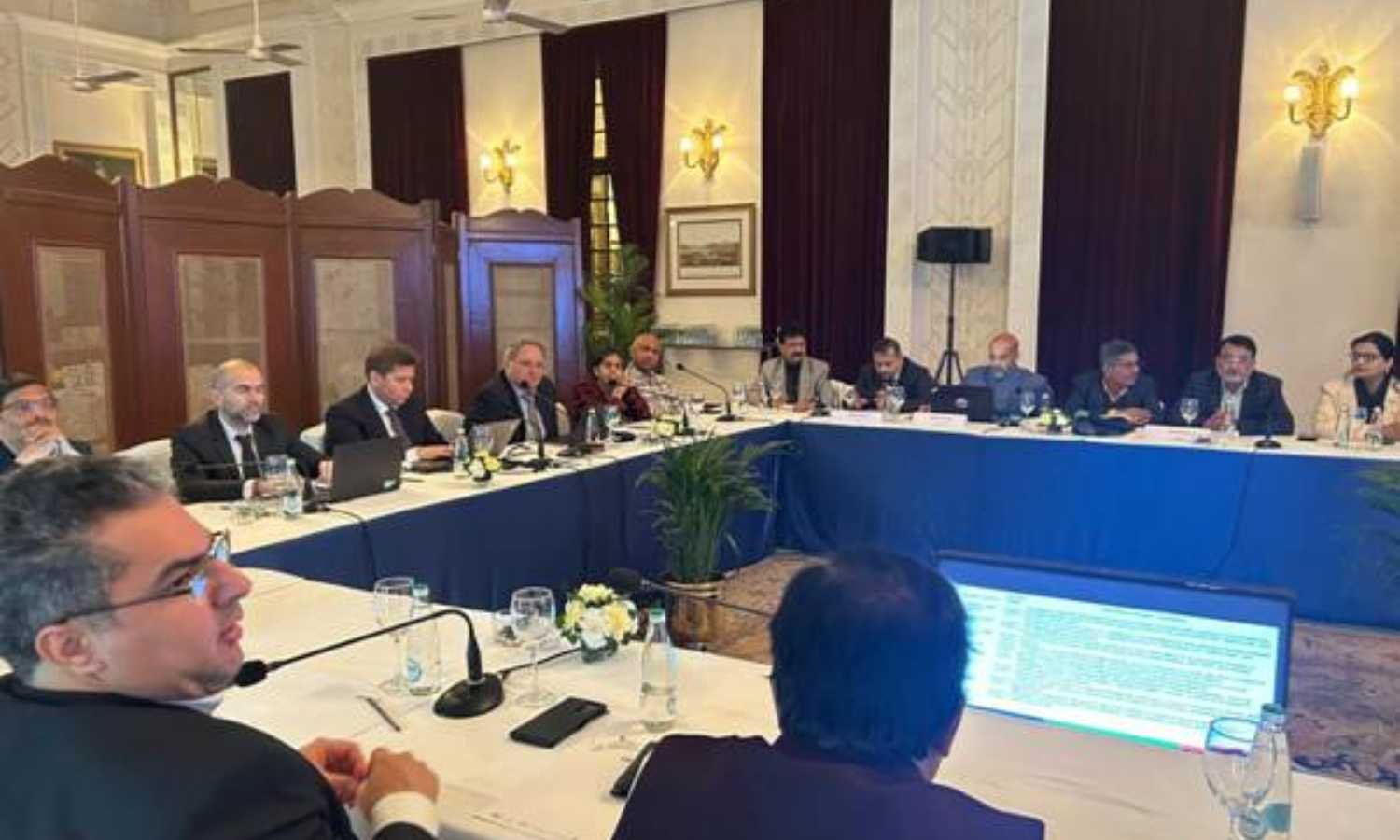
WHO traditional medicine meeting sees global expert participation
The WHO traditional medicine meeting was chaired by Kavita Garg, Joint Secretary, Ministry of Ayush. She led India’s work on national health intervention codes for Ayurveda, Siddha and Unani. Senior experts actively contributed to the sessions.
The expert panel included Prof. Rabinarayan Acharya of CCRAS, Prof. N J Muthukumar of CCRS and Dr. Zaheer Ahmad of CCRUM. Each expert presented system-specific inputs during the technical discussions.
Delegates from all six WHO regions—AFRO, AMRO, EMRO, EURO, SEARO and WPRO—took part in the meeting. Officials from WHO headquarters in Geneva guided the classification work. The team included Robert Jakob, Nenad Kostanjsek, Stéphane Espinosa and Dr. Pradeep Dua.
Representatives from the WHO Global Traditional Medicine Centre in Jamnagar and the WHO SEARO office in Delhi also joined the discussions. Member states such as India, Brazil, Iran, Nepal, Sri Lanka, the UK and the USA shared national perspectives to harmonise intervention descriptions.
Officials said integrating traditional medicine into ICHI would create a shared language for healthcare procedures. This approach will improve documentation and data analysis across countries. WHO will implement the project within defined timelines using scientific methods. The framework will support research, policymaking and national health information systems worldwide.
