

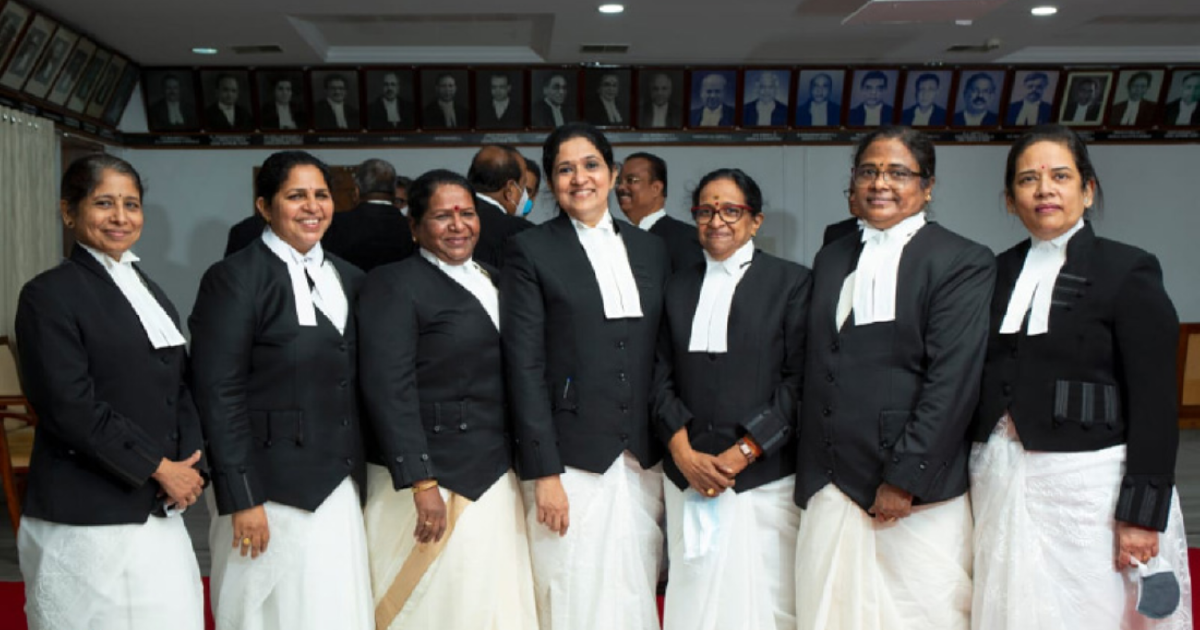
New Delhi: Women judges appointments increased steadily since 2014, with 170 women appointed to High Courts and six elevated to the Supreme Court, the Union government told Parliament on Thursday.
The Minister shared the information in a written reply. He clarified the legal framework governing judicial appointments in the country.
Articles 124, 217 and 224 of the Constitution regulate appointments to the Supreme Court and High Courts. These provisions do not allow reservation for any caste or class.
The reply explained the role of the Memorandum of Procedure. Under it, the Chief Justice of India initiates proposals for Supreme Court appointments. Similarly, the Chief Justice of each High Court initiates proposals for their respective courts.
The government said it consistently encourages broader representation in the judiciary. It has requested Chief Justices to consider candidates from Scheduled Castes, Scheduled Tribes, Other Backward Classes, minorities, and women while sending proposals.
Women judges appointments reflect push for social diversity
Out of the 170 women appointed as High Court judges since 2014, authorities made 96 appointments in the last five years. During the same period, the Supreme Court saw six women judges take office.
The government stressed that it appoints only those candidates recommended by the Supreme Court Collegium. It does not select judges independently.
Officials said sustained dialogue with the judiciary helped improve representation. They added that diversity strengthens public trust in the justice system.
The reply also underlined that merit and integrity remain central to judicial appointments. Diversity considerations operate within constitutional limits and established procedures.
The government reiterated its commitment to inclusive representation. It said progress depends on cooperation between constitutional authorities.
The minister said the data showed gradual improvement in gender representation at higher judicial levels. He added that the government would continue engaging with the judiciary on this issue.
The written reply was placed before Parliament on February 6.
