

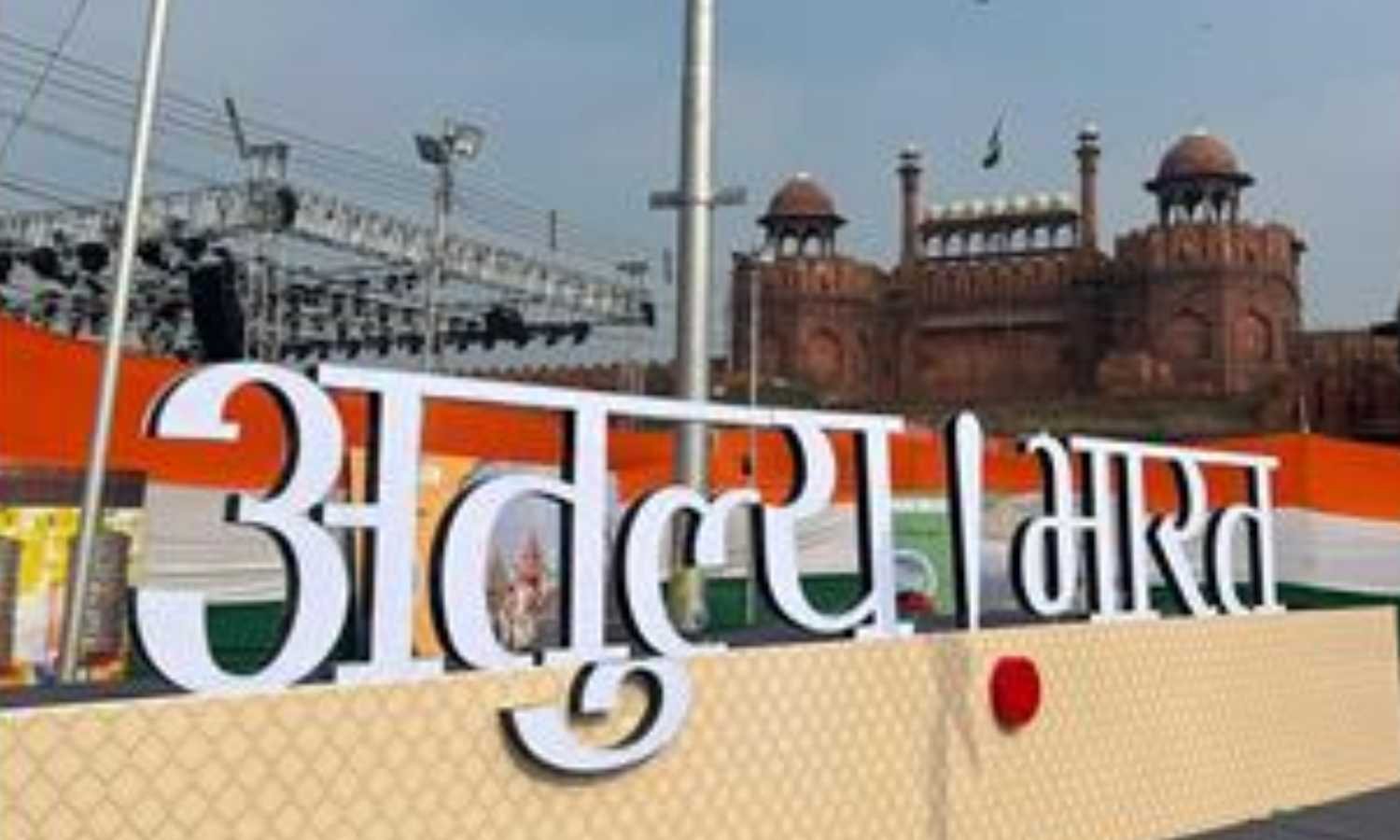
New Delhi: Bharat Parv 2026 concluded at Delhi’s Red Fort on January 31, showcasing India’s cultural, artistic and tourism heritage during the 77th Republic Day celebrations, officials said.
Organised by the Ministry of Tourism, Bharat Parv 2026 was held from January 26 to January 31 at the Lawns and Gyan Path in front of the Red Fort. The annual festival, launched in 2016, aimed to highlight India’s unity in diversity. It also supported the national initiatives “Ek Bharat, Shreshtha Bharat” and “Dekho Apna Desh”.
This year’s edition gained added importance as it marked 150 years of “Vande Mataram”. The song was composed by Bankim Chandra Chatterjee and later set to music by Rabindranath Tagore. Officials said it symbolised the freedom movement and the constitutional ideals of unity and public participation.
Visitors explored India’s diversity through several curated spaces across the venue. A key attraction was the display of 41 Republic Day tableaux from States, Union Territories and Central Ministries. The exhibits allowed close public viewing after their parade on Kartavya Path. The tableaux reflected themes of culture, innovation, environment and social development.

Bharat Parv 2026 highlights culture and patriotic performances
Across multiple stages, the festival hosted 48 cultural performances featuring folk and classical traditions from different regions. In addition, 22 performances by bands of the Indian Armed Forces and paramilitary forces added a strong patriotic atmosphere to the evenings.
The food court emerged as one of the busiest zones of the festival. More than 60 stalls offered regional cuisines from across the country. Traditional cooking styles, millet-based dishes and tribal food practices highlighted links between geography, culture and sustainability. Many visitors described the experience as educational and immersive.
Bharat Parv 2026 also promoted cross-cultural exchange. A French visitor sampled Jharkhand cuisine for the first time, including dishes such as dhuska and aloo chana. Students from the Institute of Hotel Management, Ranchi prepared the food. The stall focused on tribal food traditions rooted in sustainable practices.
Handicrafts, tourism pavilions and public participation
Handicrafts and handloom products formed another major component of the festival. Over 102 stalls curated by States, Central Ministries, DC Handicrafts, DC Handlooms and TRIFED displayed textiles, metalwork, woodcraft, paintings and jewellery. Alongside these, 34 State and Union Territory tourism pavilions and 24 Central Ministry stalls promoted regional destinations and government initiatives.
The festival encouraged public engagement through children’s zones, quizzes, nukkad nataks and interactive exhibits. Digital galleries and science displays connected tradition with technology. Health awareness activities, including CPR demonstrations and preventive consultations, also attracted visitors.
Several participants shared personal experiences during the event. Tribal entrepreneur Riksrang D. Momin from Meghalaya said Bharat Parv offered rare national visibility for community-based products. International visitor Jacob Moeller from Denmark said the scale and diversity were overwhelming yet inspiring. Delhi resident Aryan Karan Singh said viewing the Republic Day tableaux at the Red Fort strengthened his sense of patriotism.
Officials said Bharat Parv 2026 reflected India as a living republic rooted in its people and traditions. The closing ceremony on January 31 was attended by the Vice President of India as Chief Guest, marking the conclusion of the national cultural platform.
