

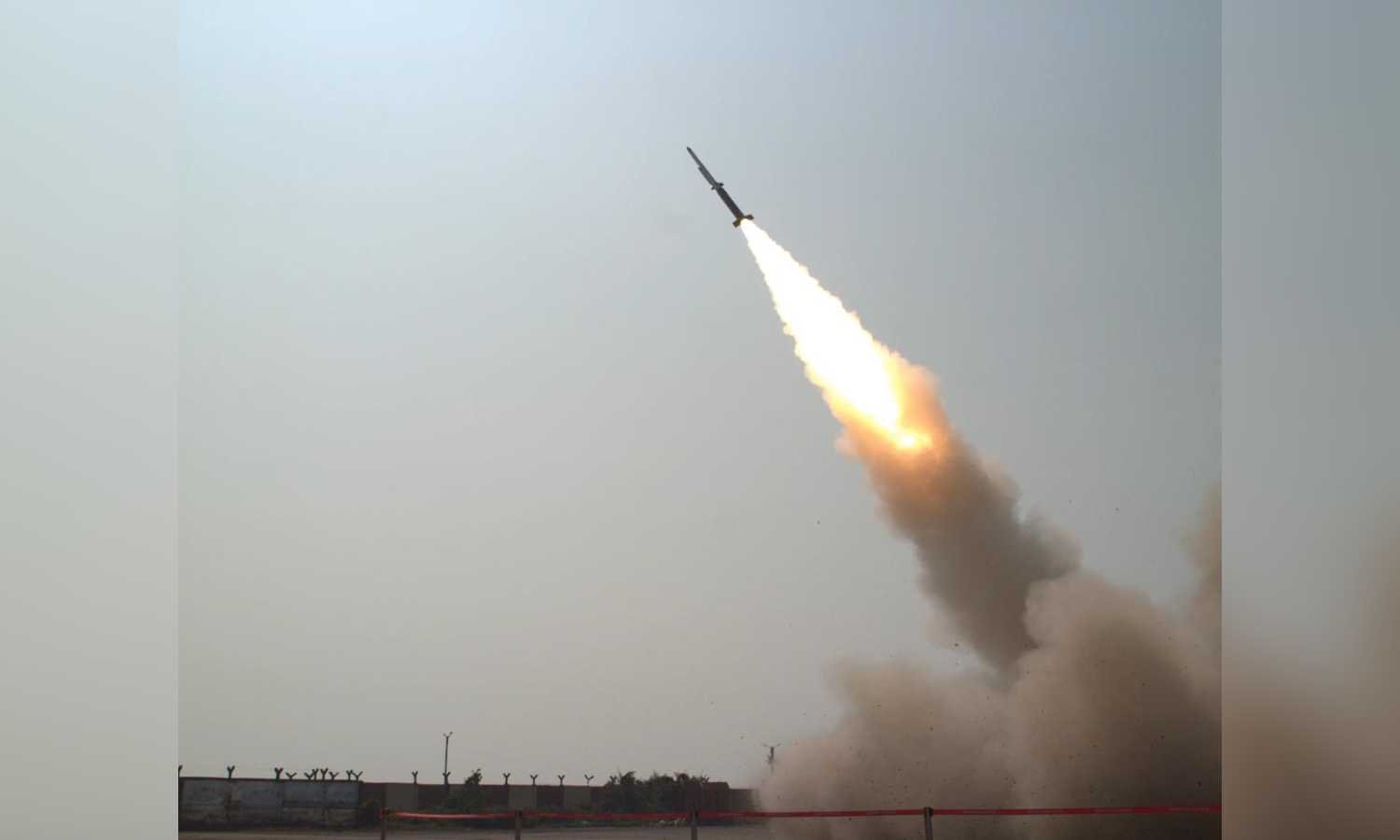
Chandupur: The Defence Research and Development Organisation successfully demonstrated SFDR technology during a flight test at the Integrated Test Range in Chandipur, Odisha, on February 03, 2026.
DRDO conducted the test at around 1045 hrs after a ground booster accelerated the vehicle to the required Mach number. The achievement placed India among a small group of nations that possessed SFDR technology for advanced missile systems.
The organisation said the technology enabled the development of long-range air-to-air missiles with greater operational flexibility. Such systems provided a significant tactical advantage during aerial combat.
DRDO confirmed that all onboard subsystems functioned as planned during the mission. These included the nozzle-less booster, the solid fuel ducted ramjet motor, and the fuel flow controller.
SFDR technology performance confirmed through flight tracking
Tracking instruments deployed along the Bay of Bengal coast captured complete flight data. DRDO teams used this data to verify the system’s performance and stability throughout the test.
Senior scientists from multiple DRDO laboratories monitored the launch from Chandipur. These included experts from the Defence Research and Development Laboratory, High Energy Materials Research Laboratory, Research Centre Imarat, and the Integrated Test Range.
Raksha Mantri Rajnath Singh congratulated DRDO and industry partners for the successful demonstration of SFDR technology. DRDO Chairman and Secretary, Department of Defence R&D, Dr Samir V Kamat also praised the teams for the successful flight test.
