

New Delhi: India’s bio-bitumen technology can help save nearly ₹40,000 crore in annual imports by converting crop residue into a valuable resource.
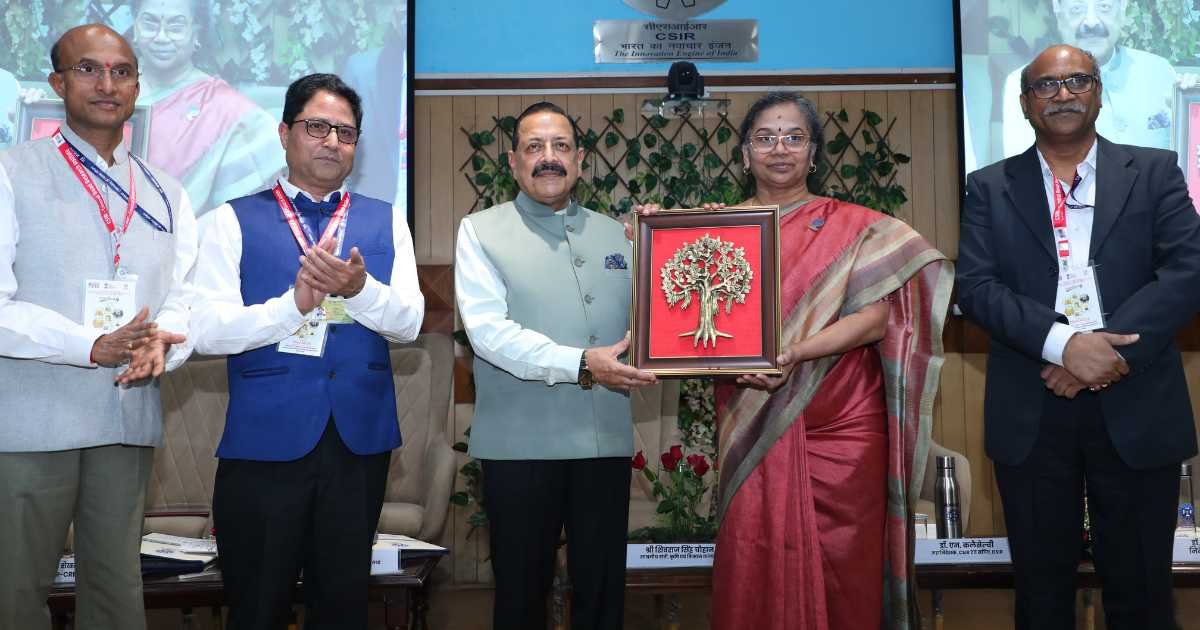
Union Minister Jitendra Singh highlighted this breakthrough while addressing a technology transfer event.
The innovation was developed by CSIR-Central Road Research Institute and CSIR-Indian Institute of Petroleum.
Bio-bitumen technology turns waste into wealth
India produces around 600 million tonnes of crop residue every year. Farmers often burn this waste, which causes severe air pollution.
The new technology converts agricultural biomass into bio-bitumen using a thermochemical process. This renewable material can replace up to 30% of conventional bitumen without affecting performance.
India consumes about 88 lakh tonnes of bitumen annually. Around 50–58% of this is imported, costing ₹25,000–30,000 crore.
By adopting this solution, India can reduce import dependence and improve economic resilience.
Multiple benefits for economy and environment
The initiative supports farmers by creating an additional income source from crop residue. It also reduces stubble burning and lowers carbon emissions.
Narendra Modi has consistently emphasised self-reliance and reduced import dependence. This innovation aligns with that vision.
Union Agriculture Minister Shivraj Singh Chouhan called the initiative a major step that connects agriculture, science and industry.
The technology also promotes a circular economy. It converts waste into useful materials for infrastructure development.
Towards sustainable infrastructure
The process uses biomass such as rice straw and wheat straw as feedstock. It produces a durable and eco-friendly binder for road construction.
Trials have already shown positive results, and industries have started adopting the technology.
Officials said large-scale deployment will make road construction greener and more cost-effective.
Overall, the bio-bitumen technology marks a significant step toward sustainable infrastructure and a self-reliant India.
