
GHMC issues guidelines for occupancy certificates to non-highrise buildings

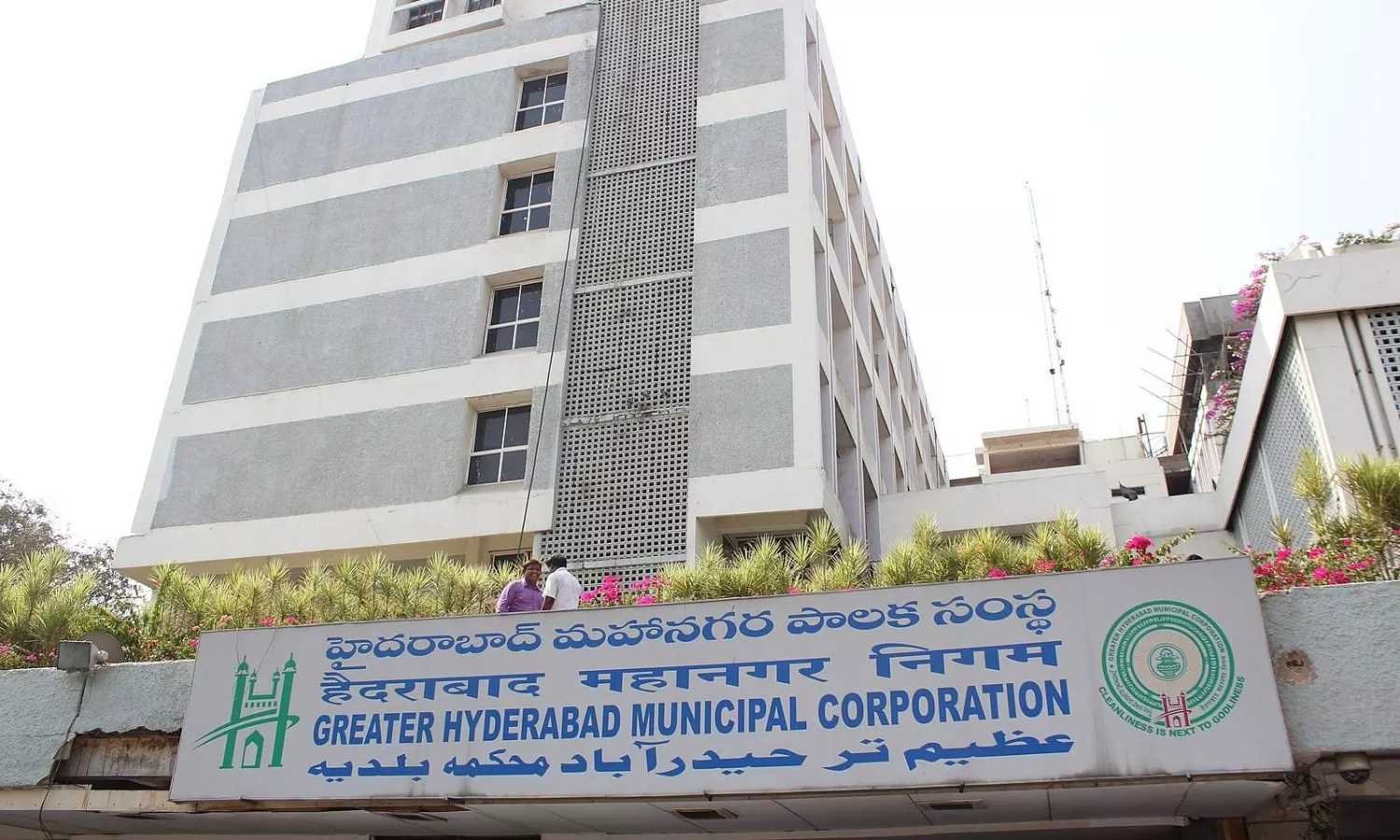
Hyderabad: The Greater Hyderabad Municipal Corporation issued occupancy certificate guidelines on Thursday for non-highrise buildings completed as per approved plans even after the validity of building permission expired, GHMC Commissioner R.V. Karnan said.
According to the Commissioner, the decision applies to buildings that obtained construction permission but failed to secure an occupancy certificate within the stipulated time. However, owners must have completed construction strictly in line with the sanctioned plan.
GHMC took this step after noticing repeated difficulties faced by property owners. In several cases, the absence of an occupancy certificate delayed water and electricity connections from the Water Board and TGSPDCL. As a result, applicants faced penalties and service disruptions.
Under the revised framework, GHMC will scrutinise applications filed within two years from the expiry of building permission. For such cases, officials will collect pending permit fees, link road charges, CRMP charges, and other applicable dues as prescribed under Rule 26.
GHMC clarifies fee structure and deviation limits
However, if applicants submit requests after two years from the expiry date, GHMC will levy all applicable charges on the total constructed area. Officials said they would verify every application strictly against approved plans.
Moreover, GHMC clarified that it would consider applications only for buildings with deviations within 10%. Mandatory setbacks, except the front setback, must also remain within this limit in both situations.
Meanwhile, the civic body stressed that these occupancy certificate guidelines apply only to non-highrise buildings. High-rise constructions will continue to follow existing regulations without relaxation.
Accordingly, the Commissioner said the move would ease difficulties for genuine applicants while ensuring compliance with building norms. At the same time, GHMC will continue strict action against unauthorised constructions.
