
Groundwater management initiatives strengthened to secure India’s water future

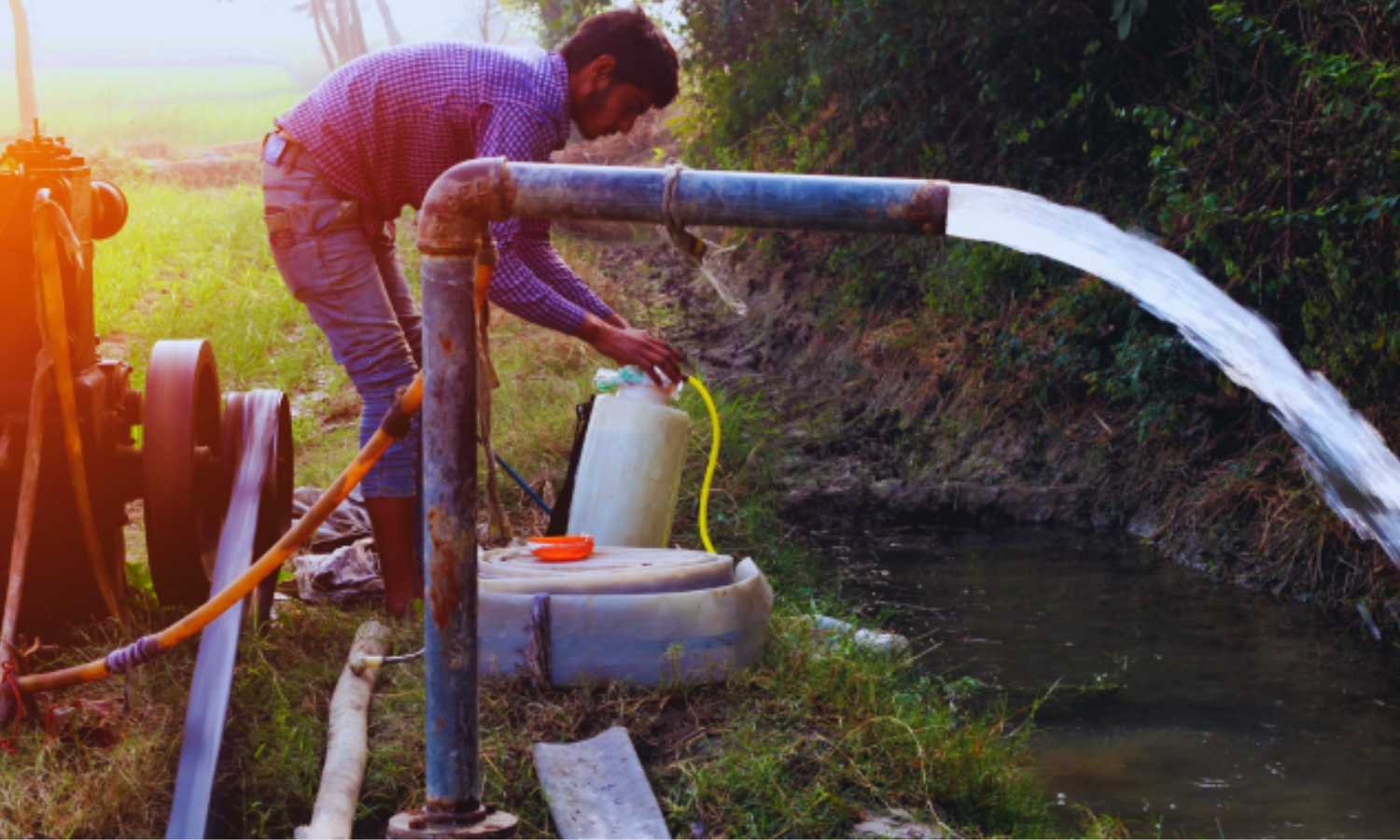
New Delhi: The Union government said it had strengthened groundwater management initiatives across India to address falling water tables and rising water demand.
According to the Ministry of Jal Shakti, these initiatives combined regulation, scientific mapping, large-scale recharge works and community participation. Together, they aimed to improve long-term water security.
The ministry said India now operated 43,228 groundwater level monitoring stations across the country. In addition, 712 Jal Shakti Kendras and 53,264 Atal Jal water quality monitoring stations supported local planning and decision-making.
Groundwater remained vital for daily needs. It supplied nearly 62% of irrigation demand, 85% of rural drinking water and 50% of urban consumption. However, pressure on aquifers had increased steadily.
Rapid population growth, intensive farming, industrial activity and urbanisation accelerated groundwater extraction. As a result, water tables declined in several regions. Moreover, water quality suffered due to industrial discharge, farm chemicals and natural contaminants such as arsenic and fluoride.
The government said effective groundwater management initiatives were essential for climate resilience. They were also necessary for achieving Sustainable Development Goals, especially SDG 6, SDG 11 and SDG 12.
Programmes driving groundwater management initiatives nationwide
To strengthen regulation, the Centre circulated a Model Groundwater (Regulation and Control of Development and Management) Bill to States and Union Territories. So far, 21 States and UTs have adopted it. Meanwhile, the Centre continued consultations through conferences and steering committees.
The Jal Shakti Abhiyan: Catch the Rain campaign, launched in March 2021, focused on rainwater harvesting and water body mapping. It also promoted Jal Shakti Kendras, afforestation and public awareness. Importantly, the revival of defunct borewells supported groundwater recharge.
Similarly, the Jal Sanchay Jan Bhagidari programme, launched in September 2024, targeted artificial recharge at the local level. It promoted harvesting structures, recharge shafts and borewell recharge. As of 22 January 2026, 39,60,333 recharge and storage works had been completed.
The Central Ground Water Board implemented the National Aquifer Mapping and Management Programme to improve scientific assessment. Under NAQUIM 2.0, high-resolution data now supports Panchayat-level planning in water-stressed and poor-quality groundwater areas.
In addition, the Master Plan for Artificial Recharge to Groundwater 2020 proposed around 1.42 crore recharge structures nationwide. It aimed to channel 185 billion cubic metres of water into aquifers.
The Atal Bhujal Yojana further promoted community-led groundwater management in seven water-stressed States. With a ₹6,000 crore outlay, it linked incentives to measurable outcomes. Mission Amrit Sarovar also contributed by creating and rejuvenating ponds to enhance natural recharge.
Together, officials said these groundwater management initiatives marked a shift towards scientific, participatory and outcome-oriented water governance.
