
India accelerates dairy digitisation to build transparent, farmer-centric ecosystem

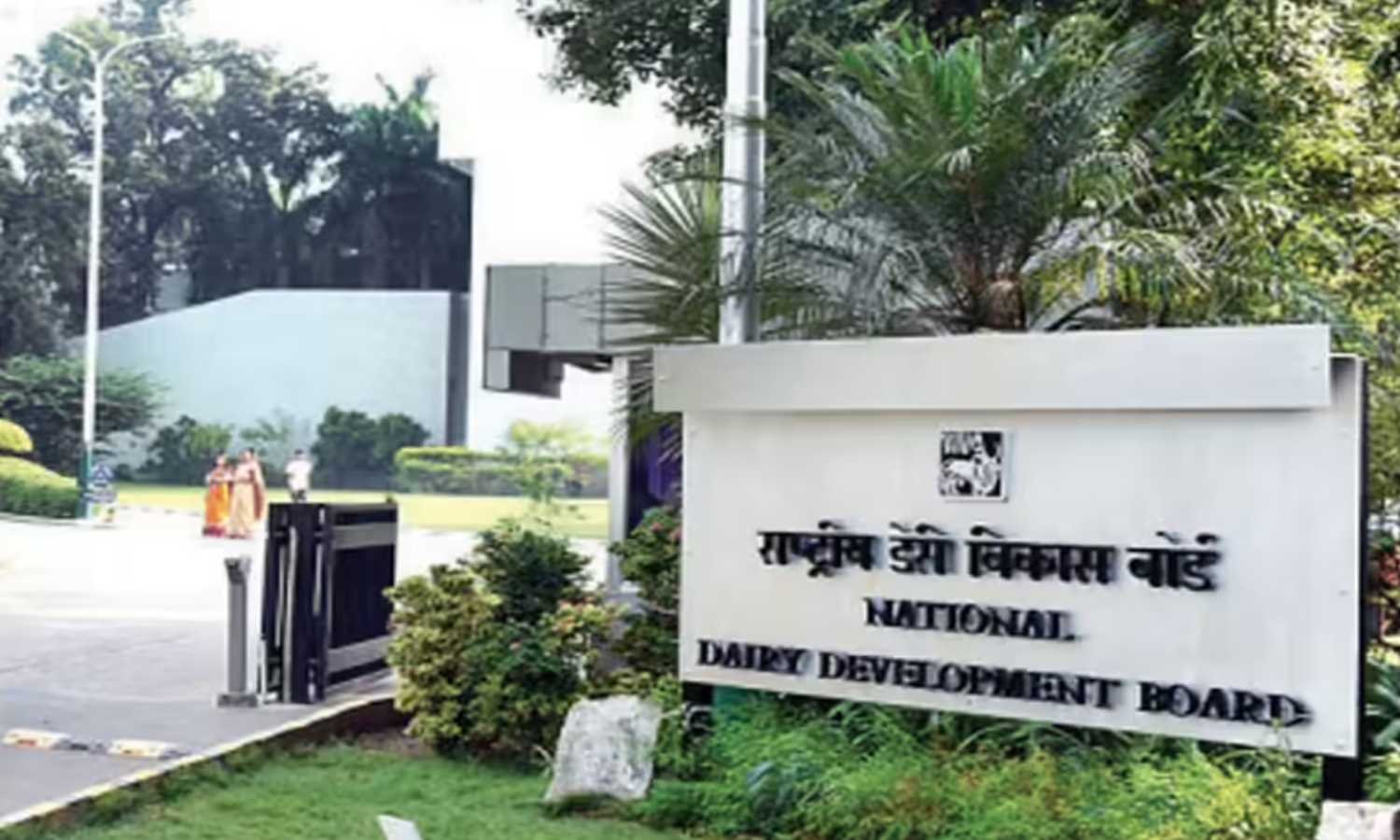
New Delhi: India stepped up dairy digitisation efforts to build a transparent, efficient, and farmer-centric ecosystem, with the National Dairy Development Board driving large-scale technology adoption across the sector, according to data released by the Centre.
Officials said India, which accounts for nearly 25% of global milk production, was using digital platforms to improve traceability, reduce inefficiencies, and enhance farmer welfare. As a result, millions of dairy farmers are now directly connected to cooperatives and service providers through integrated digital systems.
Under the National Digital Livestock Mission, over 35.68 crore animals have been issued “Pashu Aadhaar,” a unique digital identity that links livestock to health, breeding, and productivity records. Authorities said the Bharat Pashudhan database has already logged more than 84 crore field-level transactions, helping veterinarians and extension workers deliver targeted services to farmers.
The government also said the 1962 mobile app and toll-free helpline now provide farmers with authenticated information on best practices, schemes, and doorstep veterinary services. These tools, officials said, strengthened data-driven livestock management across states.
Dairy digitisation drives transparency in milk collection and logistics
As part of dairy digitisation, the Automatic Milk Collection System has transformed daily procurement at cooperative societies. The system digitally records quantity, quality, and fat content of milk and ensures instant, transparent payments to farmers’ bank accounts.
Officials said AMCS currently operates in 12 states and Union Territories, covering over 26,000 dairy cooperative societies. It benefits more than 17.3 lakh milk producers across 54 milk unions by eliminating manual errors and providing real-time SMS updates on payments.
To strengthen enterprise operations, NDDB introduced the Dairy ERP system, which integrates finance, procurement, inventory, sales, and human resources on a single open-source platform. The ERP system links directly with milk collection data, creating an end-to-end digital chain from procurement to distribution.
The Centre said digital monitoring also extended to breeding services. Through the Semen Station Management System, 38 graded semen stations now track bull lifecycle, semen production, and quality control in real time. This system connects with national animal productivity databases to ensure traceability of semen doses.
Officials added that around 198 milk unions and 15 federations now use the Internet-based Dairy Information System to analyse performance, benchmark operations, and support policy decisions. Meanwhile, GIS-based milk route optimisation has reduced transportation costs and improved delivery efficiency in several states.
The government said these coordinated initiatives were positioning India’s dairy sector as a global model for technology-driven, cooperative-led growth. By integrating digital tools across the value chain, officials said dairy digitisation was improving incomes for small farmers while strengthening food security and sustainability.
