

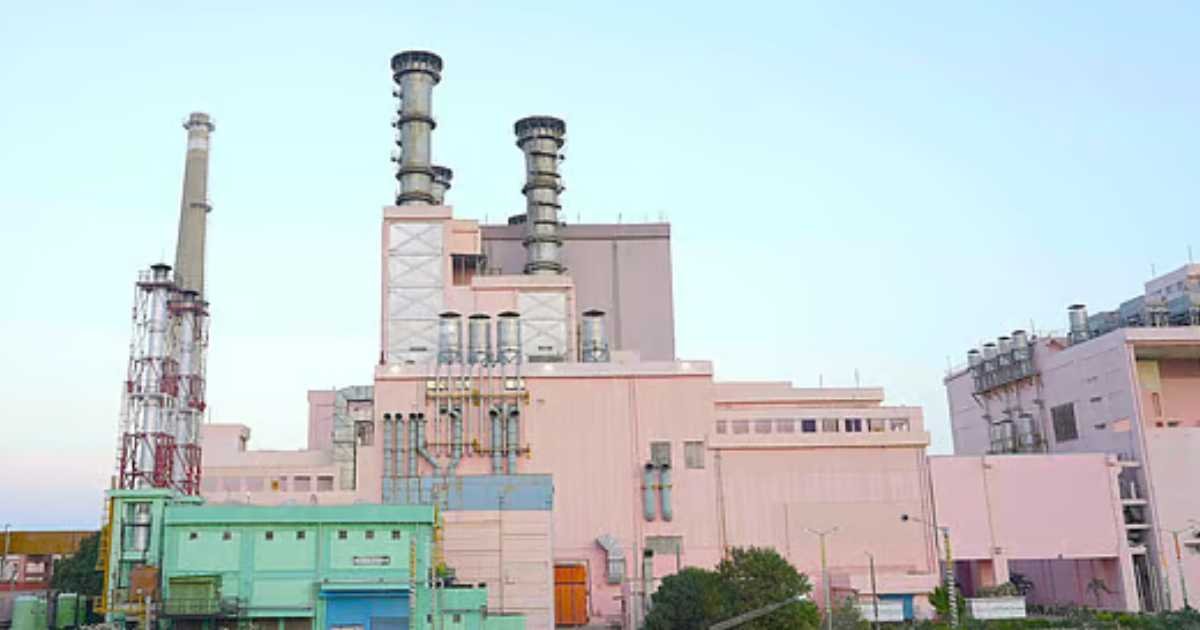
New Delhi: India has achieved a historic milestone with India nuclear PFBR criticality, marking a new chapter in its nuclear energy journey. The indigenously developed Prototype Fast Breeder Reactor (PFBR) attained first criticality on April 6, 2026.
The 500 MWe reactor, built by Bharatiya Nabhikiya Vidyut Nigam Limited at Kalpakkam Nuclear Complex, marks the beginning of a sustained nuclear chain reaction.
India nuclear PFBR criticality marks second-stage entry
With this achievement, India has entered the second stage of its three-stage nuclear programme envisioned by Homi Jehangir Bhabha.
Fast Breeder Reactors (FBRs) use plutonium derived from earlier-stage reactors and can generate more fuel than they consume. As a result, they play a crucial role in ensuring long-term energy security.
Once fully operational, India will become only the second country after Russia to run a commercial fast breeder reactor.
How the three-stage nuclear programme works
India’s nuclear strategy is designed to maximise its limited uranium and vast thorium reserves:
- Stage 1: Pressurised Heavy Water Reactors use uranium to produce plutonium
- Stage 2: Fast Breeder Reactors like PFBR use plutonium and generate more fuel
- Stage 3: Thorium-based reactors will produce sustainable long-term energy
Each stage builds on the previous one, creating a closed fuel cycle and improving resource efficiency.
PFBR technology and strategic importance
The PFBR, developed by Indira Gandhi Centre for Atomic Research, uses mixed oxide (MOX) fuel and advanced fast-neutron technology.
Its design allows it to:
- Produce more fissile material than it consumes
- Enable recycling of nuclear fuel
- Lay the foundation for thorium-based energy
This makes it a key bridge between current nuclear systems and future energy technologies.
Growing role of nuclear energy in India
India’s nuclear sector is expanding steadily. Currently, the country has an installed nuclear capacity of 8.78 GW, contributing around 3% of total electricity generation.
However, plans are underway to significantly increase capacity to over 22 GW by 2031–32. The long-term vision includes achieving 100 GW nuclear capacity by 2047.
The government has also launched the Nuclear Energy Mission and enacted the SHANTI Act, 2025 to support investment, innovation and private participation.
Clean energy and global significance
India nuclear PFBR criticality strengthens the country’s commitment to clean and reliable energy. Nuclear power plays a key role in reducing carbon emissions and supporting the goal of net zero by 2070, announced by Narendra Modi.
Moreover, India’s progress in fast breeder technology enhances its global standing in advanced nuclear energy systems.
Conclusion
The India nuclear PFBR criticality milestone represents more than a technological breakthrough. It signals the transition of India’s long-planned nuclear vision into reality.
With strong policy backing, indigenous innovation, and a focus on sustainability, nuclear energy is set to become a cornerstone of India’s future energy mix.
