

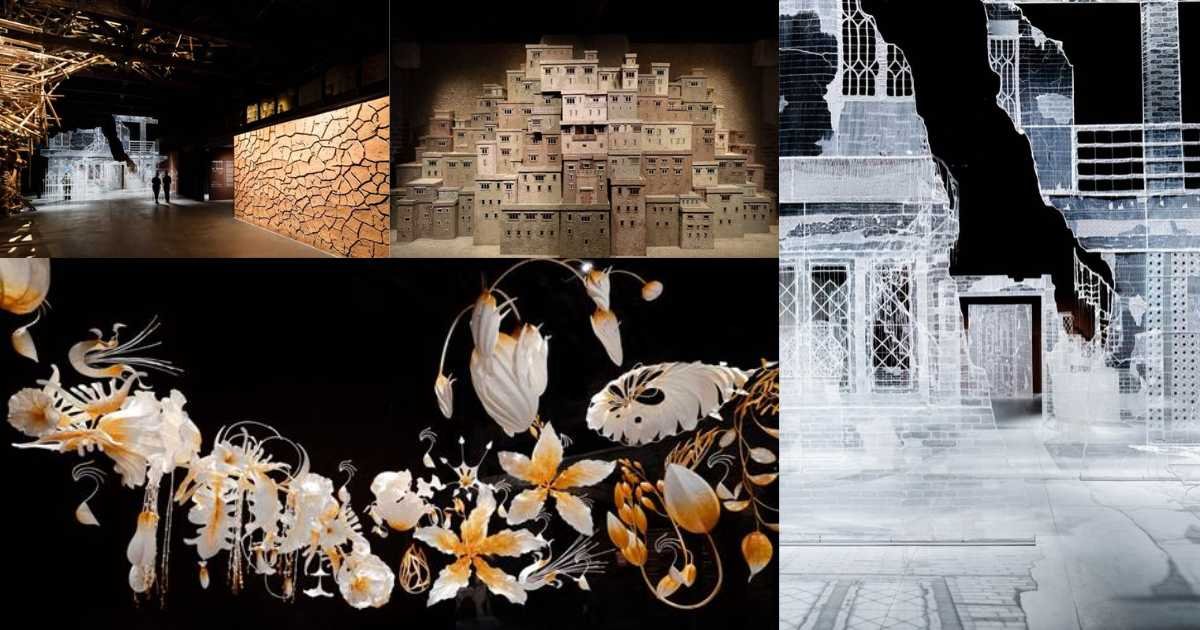
New Delhi: India has won the Visitors’ Lion for Best National Participation at the 61st International Art Exhibition of La Biennale di Venezia. The public vote recognised India’s pavilion at the Venice Art Biennale 2026. Moreover, the award marks India’s return after a seven-year gap. Organisers announced the Visitors’ Lions on November 25, based on audience preferences.
About 4.5 lakh people visited the India Pavilion during the exhibition. Consequently, it ranked among the most visited national pavilions. Visitors included international museum directors, curators, collectors and critics. In addition, prominent figures from art, culture and public life visited the pavilion.
La Biennale di Venezia President Pietrangelo Buttafuoco said the audience award reflected Pablo Picasso’s idea that a painting lives through the person who looks at it.
Union Culture Minister Gajendra Singh Shekhawat called the award a moment of immense national pride. He said it recognised the strength of contemporary Indian artists and the country’s evolving art scene. Furthermore, he said the honour celebrated how India’s artistic traditions find contemporary expression and connect with audiences worldwide.
Culture Secretary Vivek Aggarwal said the award affirmed the global appeal of India’s contemporary art. He also highlighted the pavilion’s positive reviews, enthusiastic feedback and strong visitor turnout. Thus, he described the recognition as an important milestone in India’s cultural journey.
Venice Art Biennale pavilion explored memory and belonging
The Ministry of Culture presented the National Pavilion with the Nita Mukesh Ambani Cultural Centre and Serendipity Arts. The National Gallery of Modern Art served as commissioner, while the Indira Gandhi National Centre for the Arts acted as implementing partner. Titled Geographies of Distance: Remembering Home, the pavilion occupied historic Isolotto spaces at Venice’s Arsenale.
Shekhawat inaugurated the pavilion on May 6, 2026. The exhibition explored how people shaped by distance and change carry a sense of home through memory, materials, rituals and personal stories. At the same time, it responded to the Biennale theme, In Minor Keys, through India’s regional diversity, materials and craft traditions.
Five artists presented works at the pavilion. Alwar Balasubramaniam’s Not Just for Us used clay and soil from rural Tamil Nadu. Through natural fissures and fractures, the sculptural panels explored land, memory and transformation.
Meanwhile, Ranjani Shettar’s Under the Same Sky featured a suspended sculpture inspired by flowers and natural growth. Traditional hand-crafted processes shaped its organic forms into an immersive, garden-like setting. As a result, the installation brought together nature, craftsmanship and the idea of home.
Sumakshi Singh presented Permanent Address, an embroidered reconstruction of her demolished family home in New Delhi. The life-size installation explored memory, domestic space and belonging. Similarly, Skarma Sonam Tashi’s Echoes of Home used papier-mâché to examine Ladakh’s traditional architecture and ecological landscape. The work raised questions about sustainability and cultural continuity amid changing environmental conditions and modern construction.
Asim Waqif’s Chaal featured a large bamboo installation inspired by scaffolding in Indian cities. It examined urban transformation, renewal and changing city life. Together, the five installations presented home as both a physical place and an enduring emotional experience.
Alongside the visual exhibition, Serendipity Arts curated a performance programme from May to November 2026. It featured music, movement, storytelling and interdisciplinary performances. These events activated the pavilion and cultural spaces across Venice. Moreover, the programme took the exhibition’s ideas beyond the Arsenale and reached audiences across the city.
India’s return to the Venice Art Biennale after seven years, followed by the public’s top national participation award, marks a significant moment for contemporary Indian art and cultural diplomacy.
The India Biennale takes the next step in New Delhi
Building on this recognition, the Ministry of Culture will present The India Biennale in New Delhi from December 4, 2026, for 108 days. Purana Qila will serve as the principal venue. In addition, programmes will take place at the Red Fort, Qutub Minar, Jantar Mantar, Safdarjung Tomb, Agrasen ki Baoli and cultural venues across the city.
The event will bring contemporary art, architecture and design into historic monuments. It will also feature a dedicated Students Biennale. Under a public-private partnership, the Ministry will provide core infrastructure and access to venues. Meanwhile, private participants will organise the exhibition setup.
The India Biennale will offer Indian and international audiences a city-wide celebration of living heritage and creative expression. A dedicated Biennale Pass will support access to the event. Ultimately, the initiative reflects the vision of Vikas Bhi, Virasat Bhi.
