

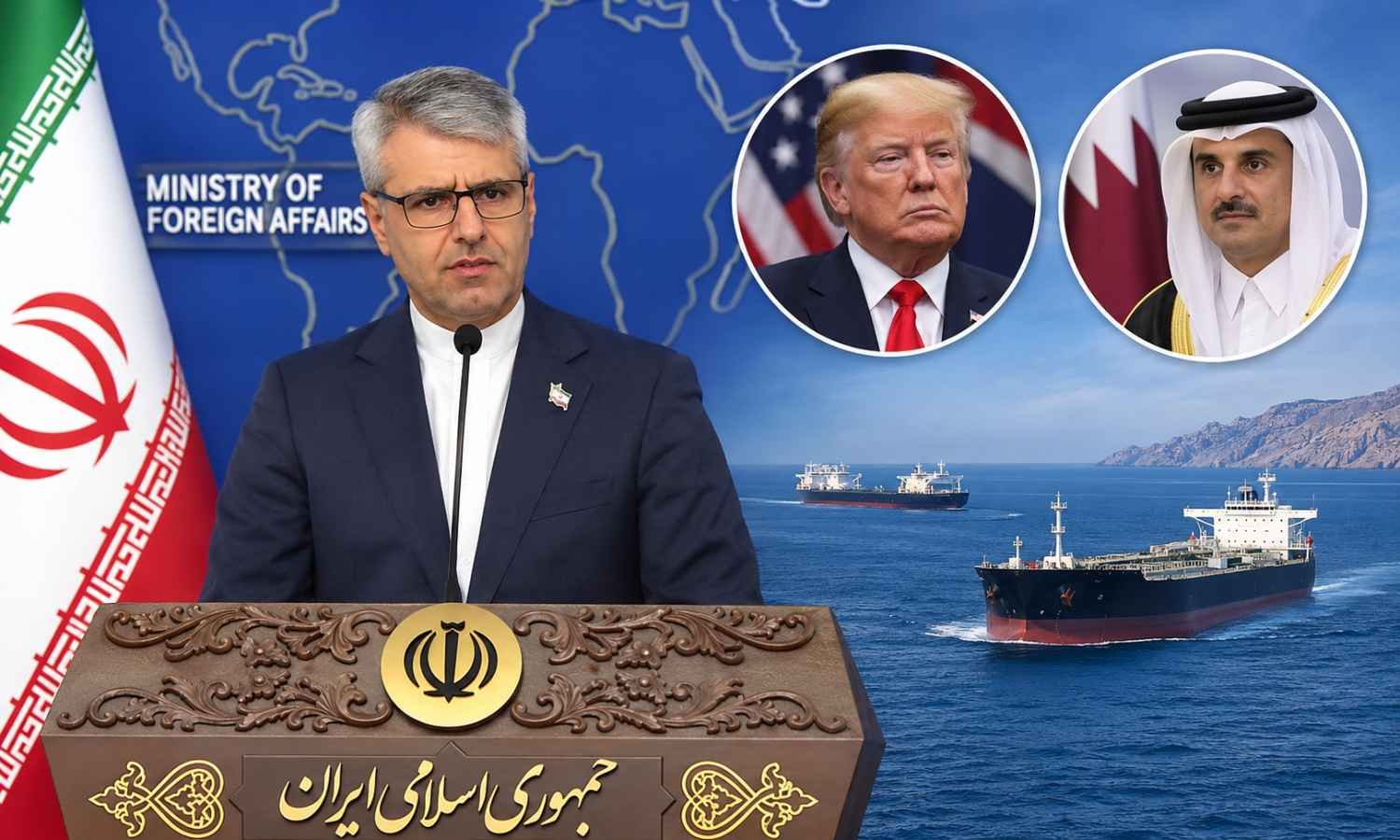
Tehran: Iran on Monday stood by its two-day peace plan to end the conflict with the United States. Tehran says Washington must first lift sanctions, end its naval blockade of Iranian ports and halt military operations. Only then, it argues, can real negotiations begin. The statement came hours before President Donald Trump’s scheduled meeting with Qatar’s Prime Minister in Washington.
Foreign Ministry spokesman Esmaeil Baghaei called the plan the most practical framework available. He also rejected criticism from US Secretary of State Marco Rubio. Before reopening the Strait of Hormuz, Baghaei said, Iran wants assurances against further military action.
Under the proposal, the United States would act first. It would lift the blockade, ease sanctions and stop regional military operations. Iran would then restore passage through the strait. After that, the two sides would take up Iran’s nuclear programme and other disputes. Tehran has also cut the original seven-day window to two days. However, officials said Iran tabled no new proposal on Monday.
Sheikh Mohammed bin Abdulrahman Al-Thani, Qatar’s Prime Minister and Foreign Minister, was due to meet Trump and Vice President JD Vance. He visited Tehran last week as part of Doha’s mediation. Qatar has relayed messages between the two sides since joint US-Israeli strikes on Iran began the war on 28 February. The fighting, which included the killing of then-Supreme Leader Ali Khamenei, has now lasted more than eight months.
Washington cool on Iran’s two-day peace plan
Trump said on Sunday that large-scale new strikes looked unlikely if talks produced a solid agreement. Still, he kept the option of force open if anyone threatened American forces or interests. Rubio, for his part, called some Iranian conditions unrealistic. He also said the two sides remained far from a breakthrough.
Meanwhile, military incidents continue to complicate diplomacy. Iranian state media reported fresh US strikes on Qeshm Island overnight. Local authorities, however, said essential services kept running. Attacks on merchant ships in the Gulf and near the strait have also continued. On Sunday, Iran said a tanker struck a mine east of the waterway.
The same day, Yemen’s Houthi movement claimed an attack on a Saudi Aramco office building in Riyadh. Saudi officials confirmed the damage but did not identify the attackers.
In the US, Republican losses in last week’s midterms have increased pressure on the administration to end the conflict. Iran, meanwhile, criticised a new US task force that targets overland routes for sanctioned goods. It also warned Washington against pushing Iraq to close its border crossings with Iran.
Senior UAE official Anwar Gargash said a comprehensive deal would be difficult. Without a stable political arrangement, he warned, the region could face prolonged uncertainty. Mediators, therefore, are exploring a phased approach. It would link sanctions relief and security steps to later nuclear talks.
Monday’s Washington meeting could show whether Trump will engage with Iran’s sequencing. Alternatively, he may keep relying on economic pressure and limited military action. For now, neither side has made the major concession that rapid progress would require.
