

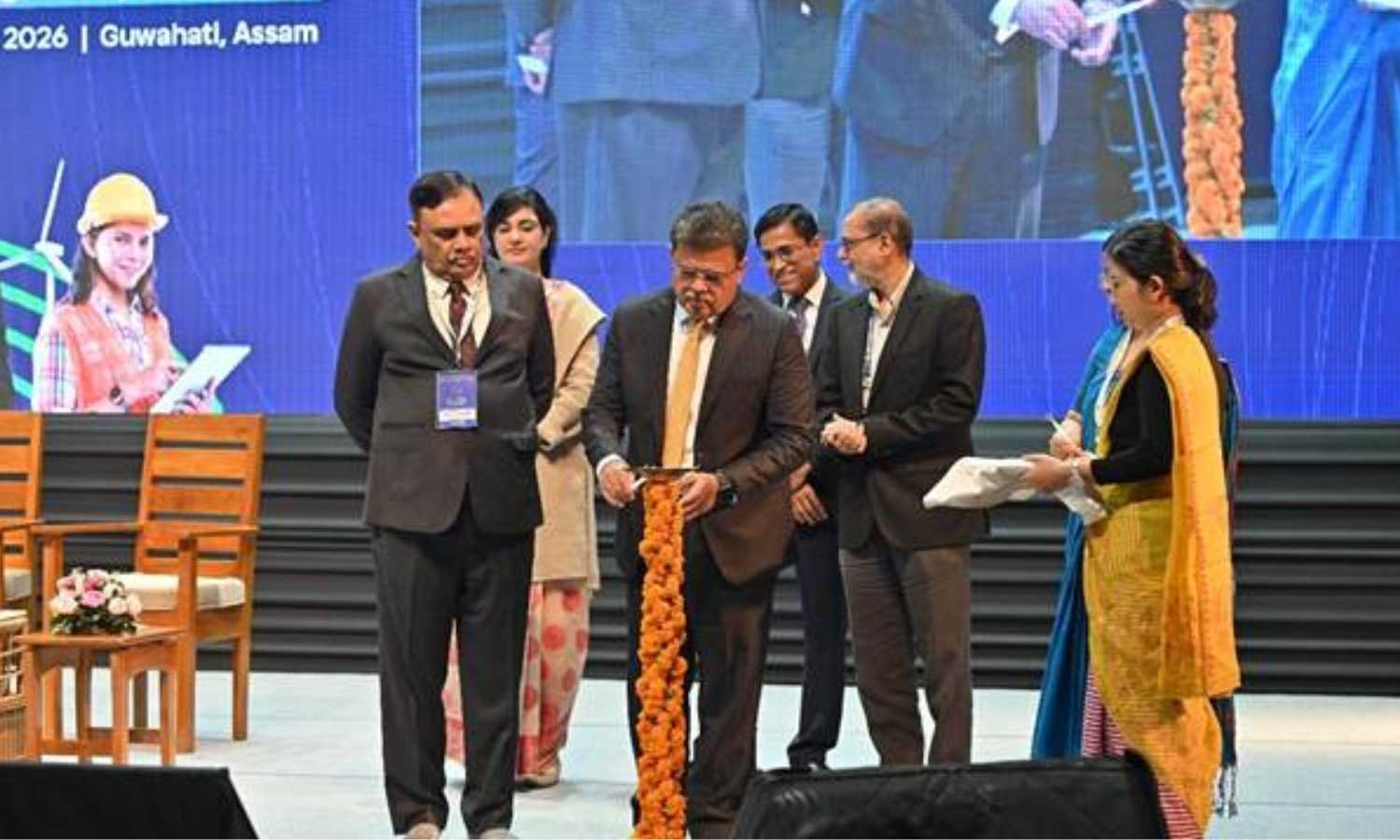
New Delhi: The Ministry of Electronics and Information Technology hosted a two-day Human Capital working group meeting at IIT Guwahati on January 5 and 6 to shape India’s approach to education reform and workforce transition in the AI era.
The meeting, organised jointly by MeitY, the IndiaAI Mission, the Government of Assam, and IIT Guwahati, brought together senior policymakers, academic leaders, industry experts, and practitioners. The discussions focused on inclusive, human-centric adoption of artificial intelligence.
Chaired by Prof. T. G. Sitharam, the working group served as a key thematic precursor to the India AI Impact Summit 2026, scheduled to be held in New Delhi from February 15 to 20. Officials said the deliberations would inform national-level policy outcomes.
In the opening session, speakers stressed the central role of human capital in India’s AI journey. They called for a shift from conventional skilling models to lifelong learning, institutional readiness, and workforce augmentation.
The session featured addresses by Special Chief Secretary of Assam Shri Syedain Abbasi, Principal Secretary (IT) Shri K. S. Gopinath Narayan, Prof. Sitharam, IIT Guwahati Director Prof. Devendra Jalihal, and IndiaAI Joint Director Ms. Shikha Dahiya.
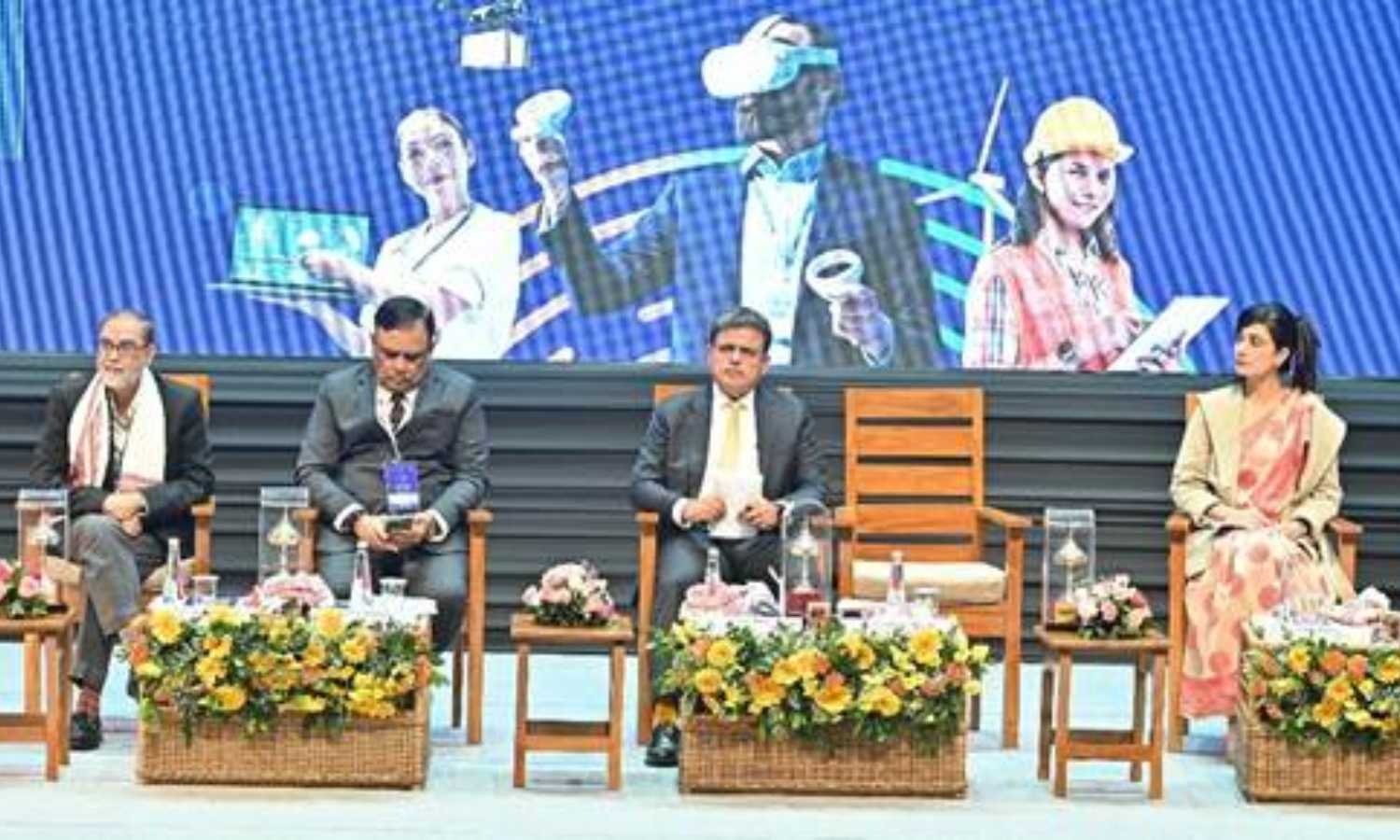
Human Capital working group to guide India AI Impact Summit
Welcoming participants, Prof. Devendra Jalihal said IIT Guwahati aimed to act as a convening platform for policy, academia, and industry. He highlighted strong student participation as a sign of growing interest in inclusive AI ecosystems.
Ms. Shikha Dahiya outlined the vision of the India AI Impact Summit 2026. She said the Summit would focus on democratising AI resources, building indigenous models, and strengthening AI capacity for the Global South. She added that outcomes from Guwahati would feed into global-level discussions.
Prof. Sitharam said the transition to an AI-enabled economy must remain people-centric. He emphasised lifelong learning systems that prioritise adaptability, judgement, and human-centred skills alongside technical expertise.
Shri K. S. Gopinath Narayan warned that unchecked automation could widen inequalities. Therefore, he stressed human augmentation, continuous learning, micro-skilling, and AI literacy as essential public capabilities.
Shri Syedain Abbasi cautioned against concentration of AI power among a few global players. He called for indigenous compute capacity, public–private collaboration, and differentiated skilling pathways to protect India’s employment base.
A key highlight on Day 1 was a keynote by Prof. Gautam Barua on democratising competency in the AI age. Panel discussions followed on gender-responsive AI strategies and redefining education for the cognitive era.
The meeting will conclude on January 6 with focused deliberations on lifelong learning, workforce transition, and gender inclusion. Officials said the recommendations would guide national policy under the IndiaAI Mission and support the vision of Viksit Bharat 2047.
