

New Delhi: Centre said it ensured fuel supply stability and continued evacuation efforts under the West Asia situation, while confirming that Indian seafarers remained safe and repatriations were ongoing.
Officials said more than 2,764 Indian seafarers have returned safely from the Gulf region so far. In the past 24 hours alone, authorities facilitated the return of 24 seafarers. At the same time, around 12.96 lakh passengers have travelled from the region to India since February 28.
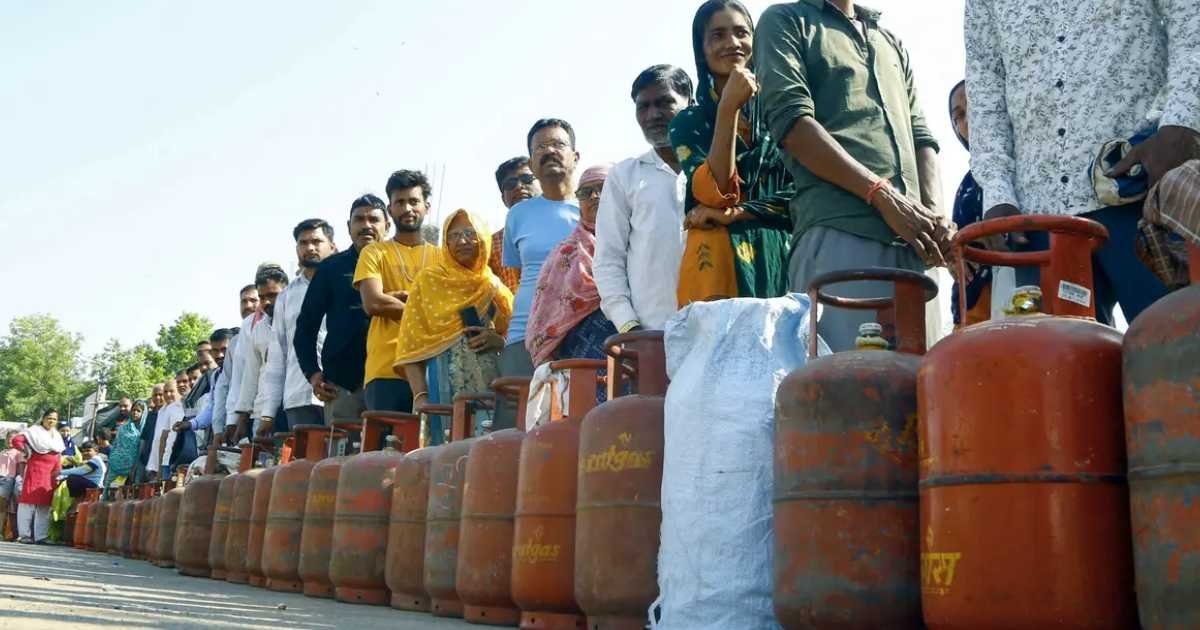
The government also maintained that fuel availability remained stable across the country. It delivered over 51.8 lakh domestic LPG cylinders on April 25, while no dry-outs were reported at distributorships. Therefore, authorities urged citizens to avoid panic buying and rely on official updates.
To improve transparency, officials expanded digital systems. Online LPG bookings reached about 98%, while DAC-based delivery rose to around 94%. These steps helped prevent diversion and ensured efficient distribution.
Meanwhile, enforcement agencies intensified action against hoarding. They conducted more than 2,100 raids and penalised over 310 LPG distributors. As a result, authorities strengthened monitoring across states.
West Asia situation boosts PNG shift and supply measures
The government also promoted PNG adoption to reduce LPG demand. Since March 2026, about 5.45 lakh PNG connections have been activated, while infrastructure for another 2.62 lakh connections has been created. In addition, more than 42,500 consumers have surrendered LPG connections.
Officials ensured full supply to domestic PNG and CNG transport sectors. Moreover, they increased gas allocation to fertiliser plants to nearly 95% of average consumption. Supplies to industrial and commercial sectors also rose to about 80%.
Refineries continued operations at high capacity to maintain adequate fuel stocks. Since April 9, more than 7,600 metric tonnes of propylene have been supplied to chemical and pharmaceutical industries. Consequently, critical sectors received uninterrupted feedstock support.
Retail fuel outlets operated normally across the country. Although global crude prices increased, the government reduced excise duty on petrol and diesel by ₹10 per litre. However, retail prices at PSU outlets remained unchanged.
Authorities also expanded kerosene allocation by 48,000 kilolitres to ease pressure on LPG demand. States received instructions to monitor supply and prevent black marketing through strict enforcement.
Overall, the government said coordinated measures across energy, transport, and external affairs sectors helped maintain stability and ensured support for citizens during the West Asia situation.
