
Centre creates 11 crore Farmer IDs five months ahead of schedule, says Shivraj Singh Chouhan

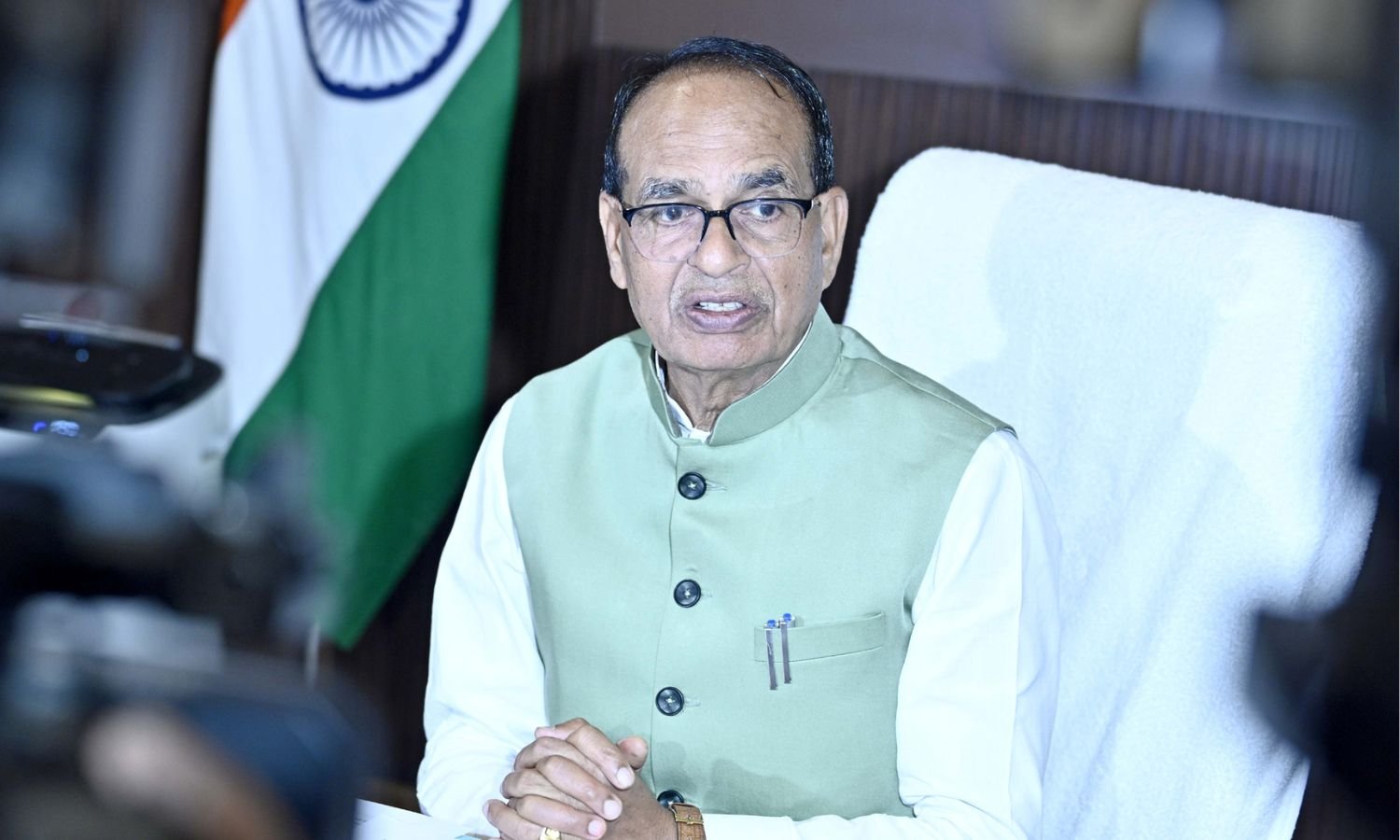
New Delhi: The Government of India has met its target of creating 11 crore Farmer IDs, five months ahead of the March 31, 2027 deadline. Union Minister for Agriculture and Farmers’ Welfare and Rural Development Shivraj Singh Chouhan called it a significant step towards Prime Minister Narendra Modi’s vision of a developed India with prosperous farmers.
The Ministry of Agriculture and Farmers’ Welfare reached the milestone under the Digital Agriculture Mission. The Farmer ID gives each farmer a unique digital identity for transparent, efficient and timely access to government schemes, bank credit, crop insurance and disaster relief. It also aims to cut paperwork and repeated verification.
Chouhan said the creation of 11 crore Farmer IDs was completed by the night of October 23. Prime Minister Modi had set March 31, 2027 as the deadline, and the Ministry, state governments and field-level officials worked together to beat it by five months. Congratulating farmers across the country, Chouhan described the Farmer ID as their own digital identity. He called it an important step towards making agriculture more efficient, transparent and prosperous through modern technology.
The Minister said the system will sharply reduce the need for farmers to visit government offices and banks repeatedly or submit the same documents for different schemes. Until now, farmers often had to furnish documents again and again to access benefits, costing them both time and money. Farmer IDs are expected to make access to several key services simpler and more transparent.
Bank loans and Kisan Credit Card processes will become easier, with less need for repeated document checks. Under the Pradhan Mantri Fasal Bima Yojana, the assessment and disbursement of compensation for natural disasters or crop losses will follow a more transparent process, with payments going directly into farmers’ bank accounts. Disaster relief will reach genuine and eligible farmers faster during emergencies. In crop procurement at Minimum Support Price (MSP), the digital system will help remove intermediaries and ensure farmers receive the full value due for their produce.
The initiative seeks to strengthen transparency and accountability in agricultural service delivery. It aims to ensure that eligible farmers can access government support with fewer procedural hurdles.
More than 6 crore farmers already receive benefits through Farmer IDs
The Digital Agriculture Mission began after the Union Cabinet approved it on September 2, 2024. The Digital Public Infrastructure (DPI) under development through the mission is already delivering results on the ground. More than 6 crore farmers across the country have so far received direct benefits under various schemes through the Farmer ID-based service delivery system.
Linking a verified farmer database with agricultural services is helping eliminate fraud and duplicate verification. It has also improved coordination among government departments and strengthened policy formulation and scheme monitoring. Officials can now track implementation and the delivery of benefits more easily.
Chouhan credited the achievement to the collective efforts of the Central and state governments and called it an outstanding example of cooperative federalism. He thanked officials of the Central Government, state governments and Union Territory administrations, as well as district-level teams and field personnel working across villages. States and Union Territories are also taking specific steps, in line with applicable rules, to bring tenant farmers and actual cultivators onto the digital platform. The goal is to ensure that no eligible farmer misses out on the government’s welfare and support programmes.
The Ministry remains committed to strengthening the Farmer Registry in line with the principle of Minimum Government, Maximum Governance. The Farmer ID is more than a digital identity document; it forms a strong foundation for transparent, accountable and farmer-centric governance. By creating verified digital identities, the initiative aims to improve agricultural service delivery and ensure government support reaches intended beneficiaries efficiently.
Chouhan urged farmers to embrace modern technology, avail themselves of the schemes and benefits they are entitled to without unnecessary difficulty, and help take Indian agriculture to new heights. He said the achievement marks an important step towards a modern agricultural ecosystem in which technology serves farmers’ interests and supports the vision of a developed India.
