

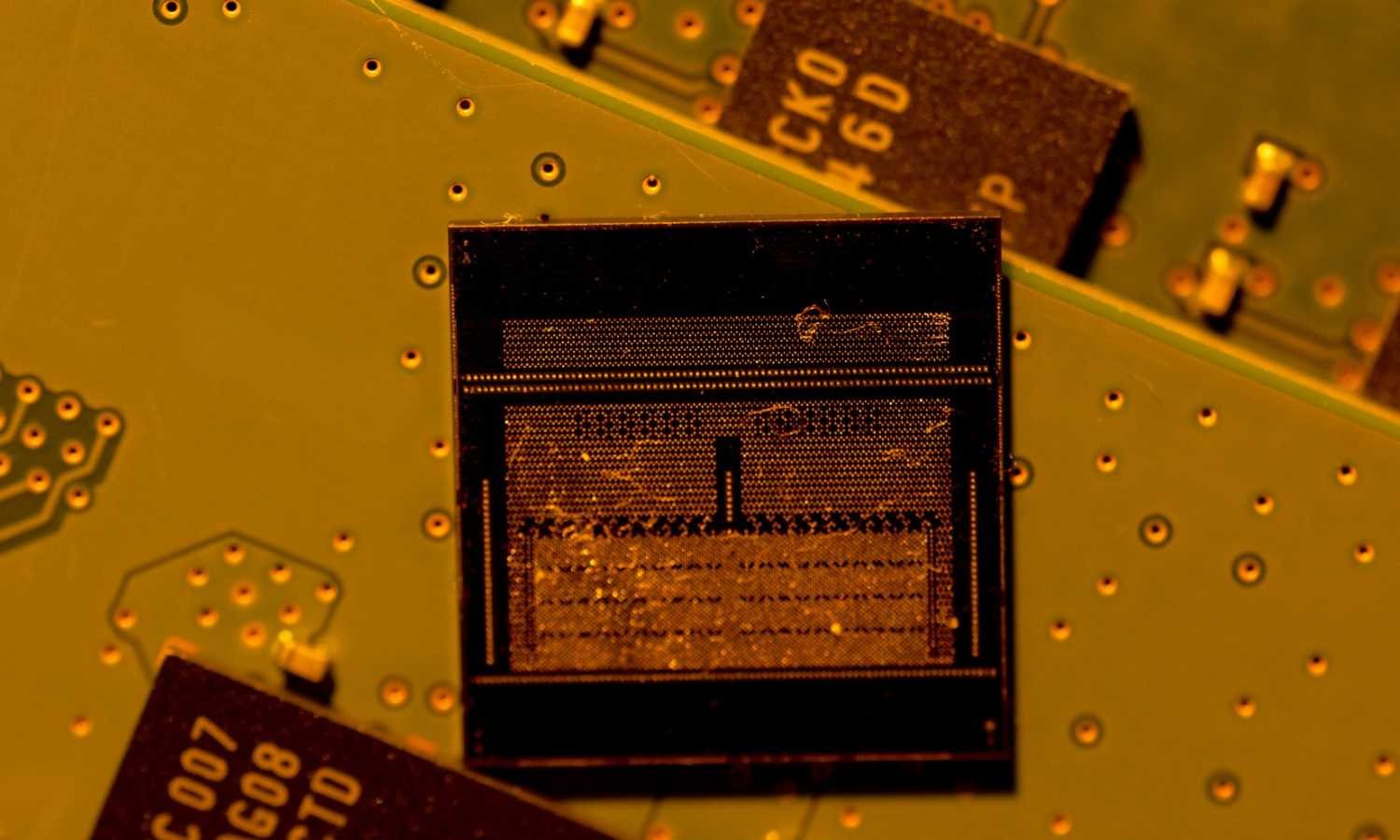
Hyderabad: A global memory chip shortage emerged as bad news for consumers, with prices of smartphones, laptops, and televisions expected to rise in the coming weeks.
Market sources said the shortage intensified after a sharp surge in demand from the artificial intelligence sector. Chipmakers diverted manufacturing capacity towards AI-focused components. As a result, supplies of memory chips used in consumer electronics tightened.
In recent months, construction of AI data centres accelerated worldwide. Major manufacturers such as Samsung and SK Hynix prioritised high-margin, high-bandwidth memory production. Consequently, availability of DRAM and NAND flash chips used in phones and laptops declined. During this period, prices of some memory chips rose by up to 60 per cent.
Industry analysts said the impact of the memory chip shortage had already reached India. Smartphone brands including Vivo and Nothing increased handset prices by ₹3,000 to ₹5,000, reflecting higher component costs.
Memory chip shortage likely to dent sales, analysts warn
According to market analysts, the memory chip shortage could push up prices of smartphones, televisions, and laptops by 4 to 8 per cent within the next two months. Therefore, consumers delaying purchases may face higher costs later.
Industry bodies also warned of weaker demand. The All India Mobile Retailers Association said mobile phone sales in 2026 could decline by 10 to 12 per cent due to rising prices linked to the chip crunch. Retailers reported that some customers had already postponed buying decisions.
Experts cautioned that manufacturers might try to cut costs elsewhere. They warned that companies could compromise on display quality or other components to offset higher memory chip expenses. Such measures, they said, could affect overall product quality.
Analysts added that relief was unlikely in the near term. New semiconductor fabrication plants would take years to become operational. Therefore, they said the memory chip shortage was expected to persist until at least 2027, keeping global electronics prices under pressure.
