
H D Kumaraswamy inaugurates SIAT 2026, outlines India’s automotive leadership vision

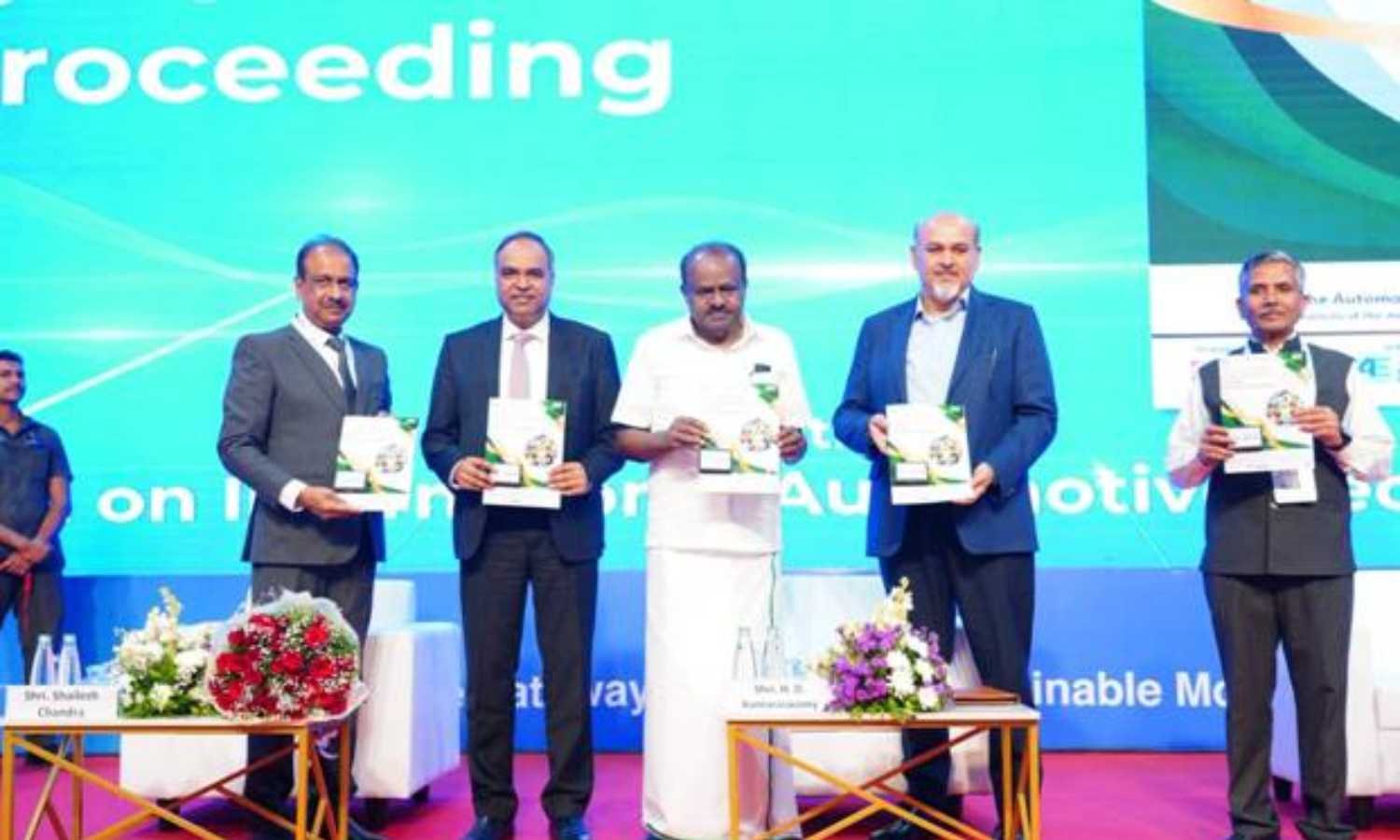
Pune: Union Minister for Heavy Industries and Steel H D Kumaraswamy inaugurated SIAT 2026 in Pune, stressing India’s ambition to lead the global automotive sector through safe, sustainable and technology-driven mobility.
Held over three days, the Symposium on International Automotive Technology is organised by the Automotive Research Association of India in association with SAE International and SAEINDIA. Importantly, the event coincides with ARAI’s Diamond Jubilee year.
Addressing industry leaders, researchers and policymakers, Kumaraswamy congratulated ARAI on six decades of contribution to innovation and cleaner mobility. He described the institution’s role in strengthening India’s automotive ecosystem as transformative.
Referring to economic growth, the Minister said India had emerged as the world’s fourth-largest economy with a GDP of USD 4.18 trillion. Moreover, he said the country was firmly on track to become the third-largest economy, with GDP projected at USD 7.3 trillion by 2030.
Under the leadership of Prime Minister Narendra Modi, Kumaraswamy said India had adopted a clear roadmap to achieve net-zero emissions by 2070. At the same time, initiatives such as Make in India and Aatmanirbhar Bharat were strengthening advanced manufacturing.
Electric mobility, he said, lay at the centre of this transformation. According to him, EV adoption reduces fuel imports, lowers emissions and creates new opportunities for Indian industry and youth.
SIAT 2026 inauguration showcases EV push and clean mobility
Highlighting policy initiatives, Kumaraswamy said the FAME-II scheme, with an outlay of ₹11,500 crore, enabled the adoption of over 16.71 lakh electric vehicles. In addition, the scheme supported the sanctioning of more than 9,000 public charging stations.
He further said the PM E-DRIVE scheme, backed by ₹10,900 crore, expanded EV adoption through demand incentives and charging infrastructure. As a result, more than 20 lakh electric vehicles were sold under the programme.
The Minister noted that the PLI Auto scheme, with an outlay of ₹25,938 crore, promoted domestic value addition and improved global competitiveness. Similarly, the PLI-ACC scheme aims to establish 50 GWh of advanced chemistry cell battery capacity in India.
Drawing attention to strategic materials, Kumaraswamy referred to the Rare Earth Permanent Magnet scheme approved with an outlay of ₹7,280 crore. He said it would strengthen indigenous manufacturing for EVs, defence systems and electronics.
Turning to environmental concerns, he stressed the need to electrify commercial vehicles. These vehicles, he noted, account for over 40% of transport-related pollution. Therefore, the government earmarked ₹2,000 crore under PM E-DRIVE to set up more than 70,000 charging stations nationwide.
Sharing industry data, Kumaraswamy said vehicle production increased from 28.4 million units in 2023–24 to 31 million units in 2024–25. During the same period, exports rose from 4.5 million units to 5.36 million units.
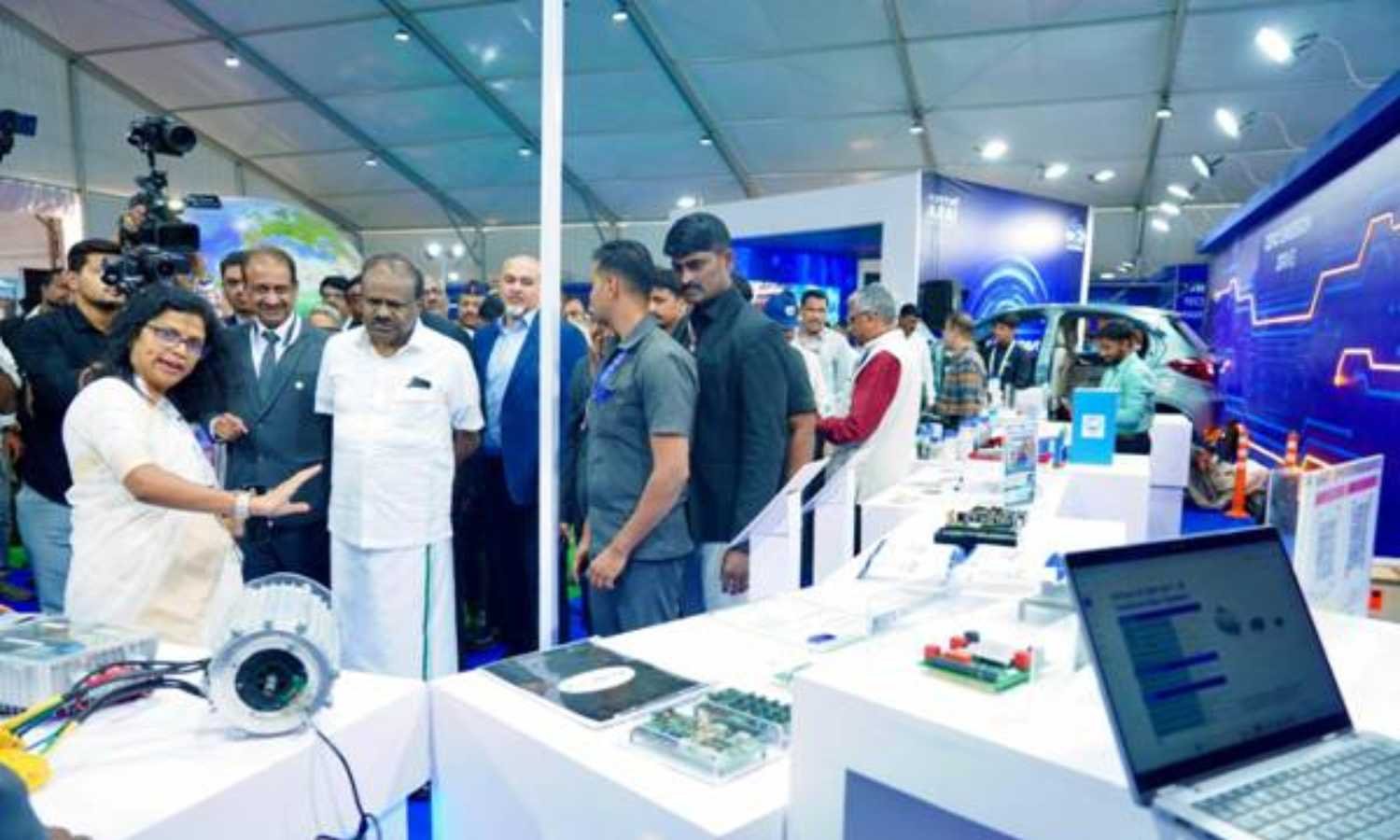
During his visit, the Minister toured exhibition stalls and interacted with industry stakeholders, startups and researchers. He also inaugurated three new facilities at ARAI’s Mobility Research Centre at Takwe near Pune to strengthen testing and research capacity.
Concluding his address, Kumaraswamy said SIAT 2026 would foster collaboration among researchers and technocrats. He reiterated the government’s commitment to building a resilient automotive ecosystem aligned with the vision of Viksit Bharat.
