
India reviews West Asia situation, ensures fuel and pharma supply stability

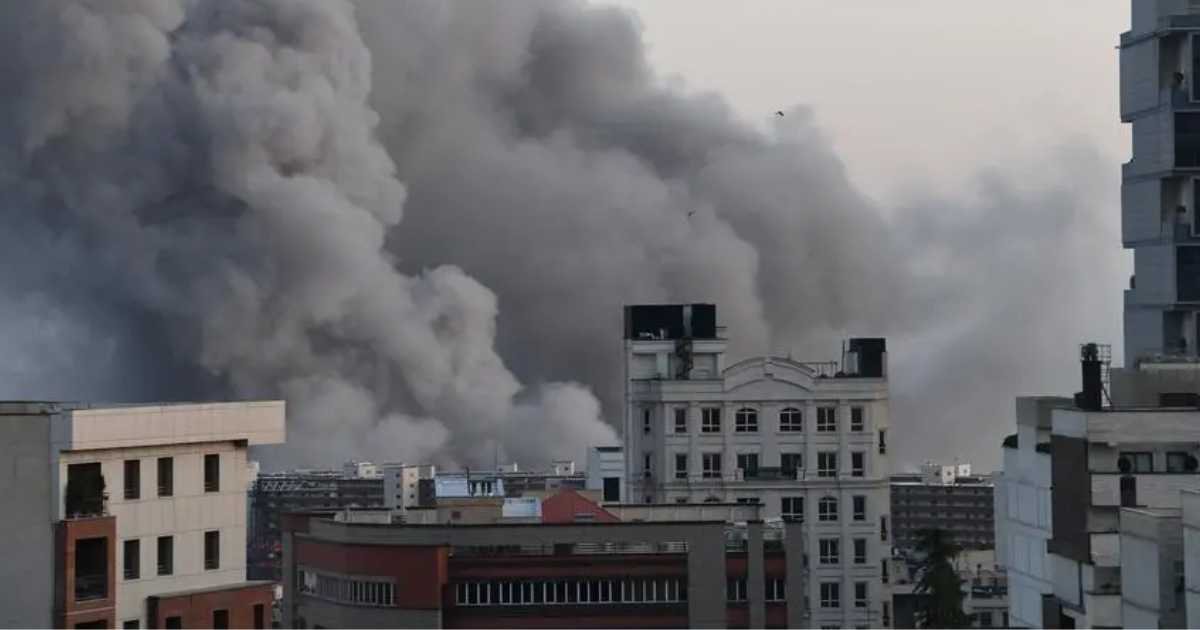
New Delhi: The Government of India on Thursday reviewed the evolving West Asia crisis in a high-level inter-ministerial briefing, outlining measures to ensure uninterrupted supply of fuel, pharmaceuticals and essential services across the country.
Officials said the crisis has disrupted global supply chains, especially critical pharmaceutical inputs such as Active Pharmaceutical Ingredients and industrial solvents. Despite these challenges, authorities confirmed that there has been no major increase in drug prices, indicating strong domestic supply management.
Impact of the regional crisis on pharma and energy
The government highlighted that coordinated steps are being taken to maintain the availability of key raw materials such as propylene, ammonia and methanol. These inputs are essential for manufacturing medicines including Ibuprofen and Aspirin.
To ease supply constraints, customs duty on several petrochemical products has been reduced. At the same time, domestic producers have increased output to stabilise the pharmaceutical supply chain.
On the energy front, domestic LPG deliveries remain normal. Officials advised citizens to avoid panic buying and rely on verified information channels.
Government measures ensure supply stability
The Centre has expanded LPG allocations and promoted the use of smaller cylinders for wider access. Sales of 5 kg cylinders have increased significantly, supporting vulnerable groups and migrant workers.
India’s maritime operations also continue without disruption. The Green Asha safely reached Jawaharlal Nehru Port Authority after crossing the Strait of Hormuz, ensuring steady fuel supplies.
India supports nationals and strengthens ties
The government is actively assisting Indian nationals in the region. The Ministry of External Affairs has facilitated the movement of over 2,170 Indians from Iran via neighbouring countries.
External Affairs Minister S. Jaishankar will visit the United Arab Emirates on April 11–12 to review cooperation and strengthen bilateral ties.
Continued monitoring and preparedness
Officials emphasised that India’s refineries are operating at high capacity, while petrol and diesel prices remain stable despite global volatility. Policy measures, including duty cuts and export controls, have helped maintain domestic availability.
The government reiterated that it is closely monitoring developments and will continue to act swiftly to ensure energy security, supply stability and the safety of Indian citizens.
