

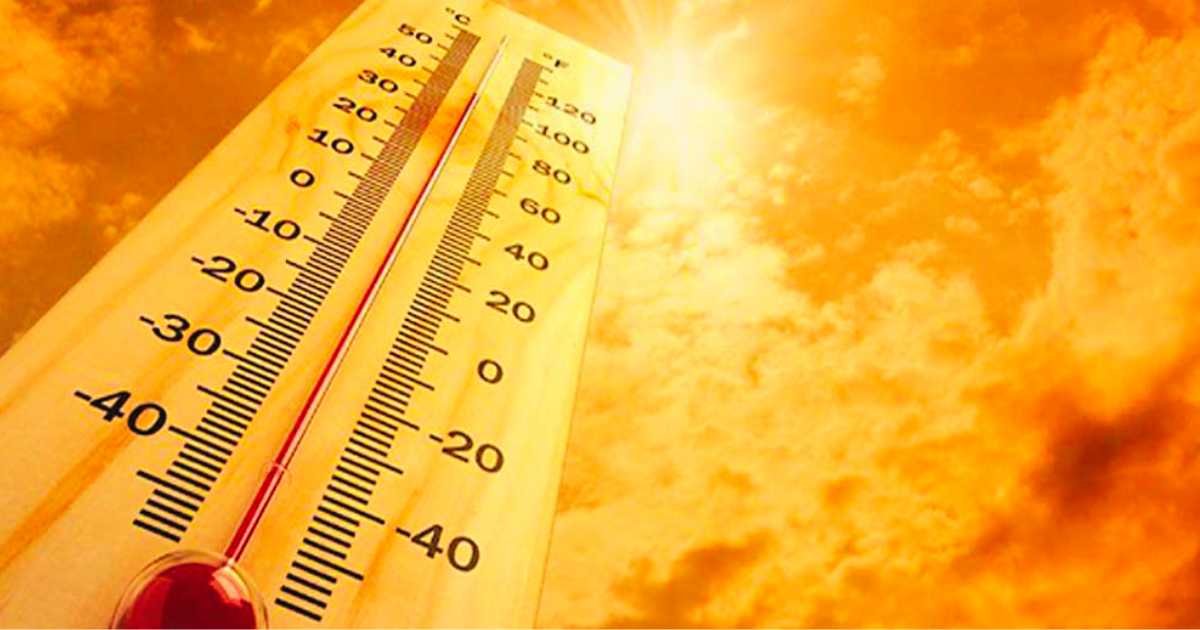
Hyderabad: The Telangana heatwave alert has prompted the Health Department to issue a public advisory as temperatures may rise by 2–3°C over the next three days.
Ravinder Naik, Director of Public Health and Family Welfare, urged people to avoid stepping outdoors between 12 PM and 3 PM. He also advised residents to stay in cool, well-ventilated spaces and reduce physical activity during peak hours.
Telangana heatwave alert triggers safety measures
He emphasised the need for regular hydration. People should drink water frequently, even if they do not feel thirsty. Moreover, he recommended oral rehydration solutions, lemon water, buttermilk and fresh fruit juices.
At the same time, officials advised avoiding alcohol, caffeine and sugary or high-protein foods. Instead, they suggested wearing light, loose cotton clothes and covering the head while going outside.
Public advised to minimise heat exposure
Residents should carry water while travelling and plan outdoor work during early mornings or evenings. These steps can significantly reduce heat-related risks.
In addition, officials urged people to seek immediate medical help if symptoms such as vomiting, dizziness or dehydration appear. They directed citizens to visit the nearest government health centre without delay.
Hospitals and frontline workers prepared
Meanwhile, authorities have equipped public hospitals with special beds, IV fluids and essential medicines. This preparation aims to handle heat-related illnesses efficiently.
Frontline workers, including ANMs, ASHAs and Anganwadi staff, are actively distributing ORS sachets. They are also spreading awareness about preventive care in vulnerable communities.
Continued vigilance essential during rising temperatures
Health officials stressed that awareness and timely precautions remain critical. As temperatures continue to rise, following safety guidelines can help prevent serious health complications.
Overall, the Telangana heatwave alert highlights the importance of preparedness, community awareness and responsible behaviour during extreme summer conditions.
