

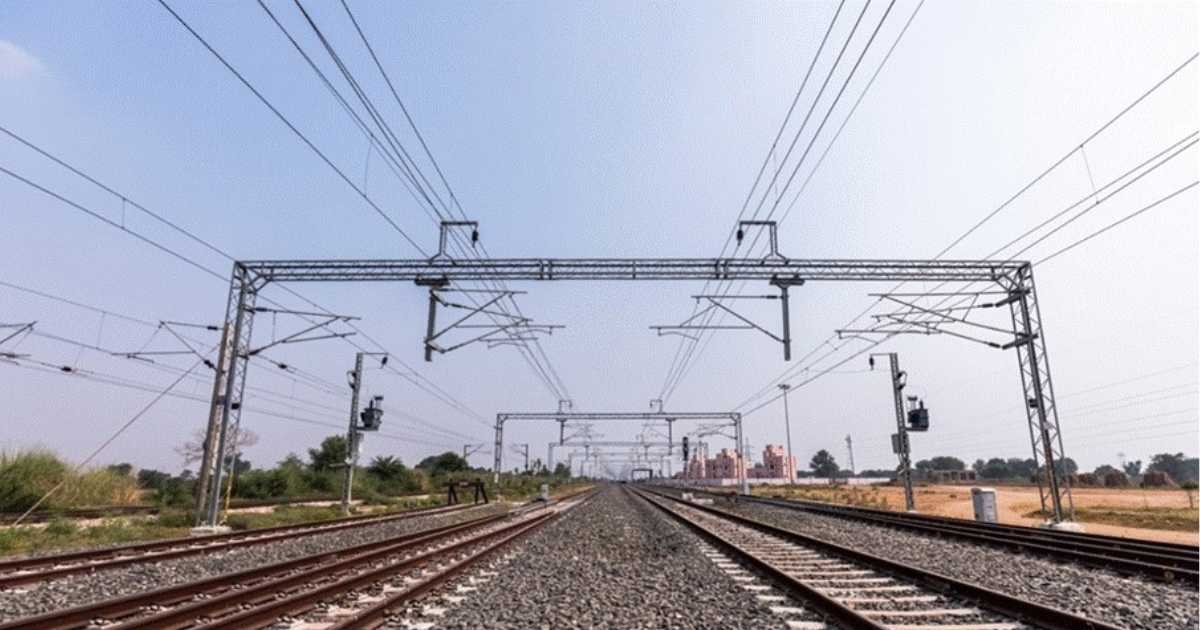
New Delhi: Indian Railways has accelerated its infrastructure push, with Indian Railways expansion reaching a record 6,000 km of approved projects in 2025–26.
The massive expansion comes under the PM Gati Shakti National Master Plan, focusing on last-mile connectivity, underserved regions, and national integration. A total of 100 railway projects have been sanctioned this financial year, marking a significant jump compared to previous years.
The government has committed an investment of ₹1.53 lakh crore across these projects. This reflects an increase of over 110 percent compared to the previous financial year. Route expansion has also surged by more than 114 percent, highlighting the scale of the initiative.
Indian Railways expansion boosts connectivity and capacity
The approved projects include new lines, doubling, and multitracking works. In addition, authorities plan bypass lines, flyovers, and chord lines to ease congestion and improve punctuality. These measures aim to enhance passenger experience while increasing freight efficiency.
States such as Maharashtra, Bihar, Jharkhand, and Madhya Pradesh will see the highest number of projects. These regions play a crucial role in freight movement, industrial connectivity, and passenger demand.
A strong focus has been placed on expanding rail networks in tribal and remote areas. Projects like the Rowghat–Jagdalpur line in Chhattisgarh aim to improve access to markets, healthcare, education, and jobs.
More than 35 projects exceed ₹1,000 crore in value. Key projects include the Kasara–Manmad line upgrade, Kharsia–Naya Raipur–Parmalkasa corridor, Itarsi–Nagpur expansion, and Secunderabad–Wadi line enhancement. Together, these high-value projects account for over ₹28,000 crore.
The expansion aligns with the Mission 3000 MT initiative to boost cargo capacity. It will support faster coal transport, improve port connectivity, and strengthen energy security.
Officials said the large-scale investment will generate employment, boost core industries like steel and cement, and reduce logistics costs. As a result, the initiative is expected to play a key role in driving India’s economic growth.
