
Gaza floods damage thousands of shelters as UN urges winter aid access

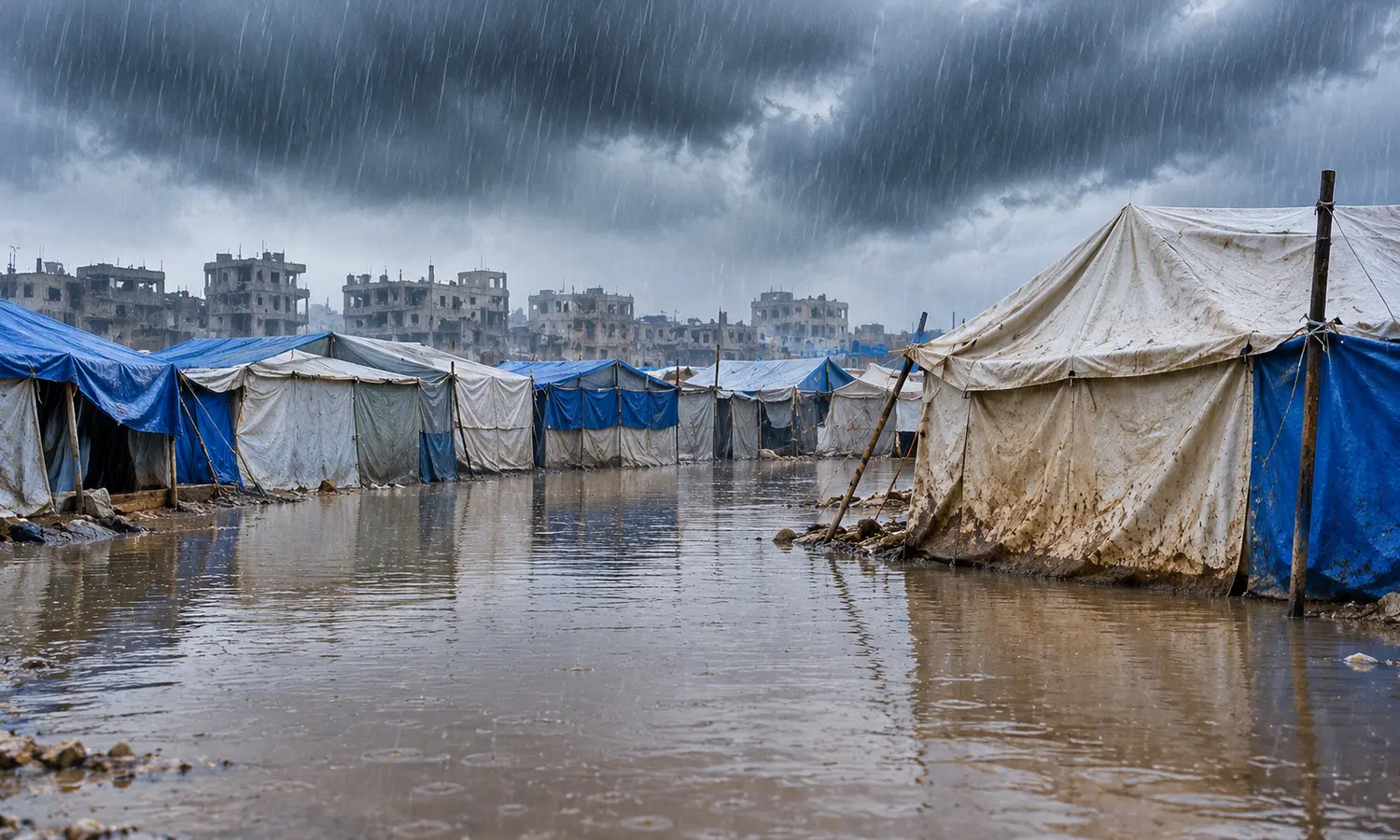
Gaza flooding has damaged temporary shelters and worsened the humanitarian crisis at displacement camps. The UN humanitarian office reported more than 40,000 damaged family shelters on November 13. It based the figure on initial alerts. The same assessment estimated that about 46,000 households, or 226,000 people, might have been affected.
These figures remain preliminary. The UN said more than 9,000 shelters might be beyond repair. Thousands of families also faced rain without adequate protection. Many affected areas are crowded camps. Displaced residents live in tents and temporary structures after repeated moves during the conflict.
The weather has created new dangers for communities already struggling with damaged infrastructure. Rainwater has mixed with sewage from broken networks, increasing the risk of water contamination. Flooding has also obstructed roads, affected health facilities and interrupted essential services, according to humanitarian agencies working in the territory.
Gaza flooding disrupts healthcare and education
At Sheikh Radwan Lagoon, water levels rose by nearly 1.5 metres, placing additional pressure on drainage pumps. Aid agencies said they lacked enough equipment to remove floodwater from affected areas. Many households also lacked usable bedding, warm clothing and materials to reinforce their tents before further rain.
Health services were under pressure even before the storm. The UN reported that about 42 per cent of medicines had reached zero-stock levels in October. An earlier humanitarian assessment also found widespread water insecurity, leaving many families with very limited supplies for drinking and hygiene. These conditions raise the danger of respiratory and waterborne illnesses, especially among children.
Education has suffered another setback. The rain damaged or blocked access to 109 temporary learning spaces. At least 5,500 children could not attend classes on November 10. Humanitarian teams have drained sites and distributed shelter materials. However, they lack resources to address the full damage.
UN calls for faster entry of relief supplies
The UN-led Humanitarian Country Team called for faster aid access on November 13. It requested tents, clothing, pumps, fuel and medical supplies. It said more than 150,000 procured tents were waiting outside Gaza, most of them in Al Arish, Egypt. The agencies cited multiple approval requirements, limited crossings and restrictions on some supplies.
OCHA also reported a 42 per cent fall in aid truck unloadings during November 2–8. It compared the period with the previous week. It cited the suspension of the Egyptian corridor by Israeli authorities, reportedly over smuggling concerns, and shortages of available funding. These figures describe recorded aid movements, not the total volume of all goods entering Gaza.
The October 2025 ceasefire remains an important diplomatic reference. However, the UN recorded Israeli airstrikes, shooting and shelling during November 3–9. The UN cited Gaza health authorities for reported casualties during that period and did not independently verify those totals.
India joined other governments in endorsing a November 12 statement seeking more predictable humanitarian and healthcare access. The statement called for open aid routes and protection of medical personnel and facilities. Aid agencies want sustained access to supplies and safer shelter. They say short-term repairs will not suffice through winter.
