

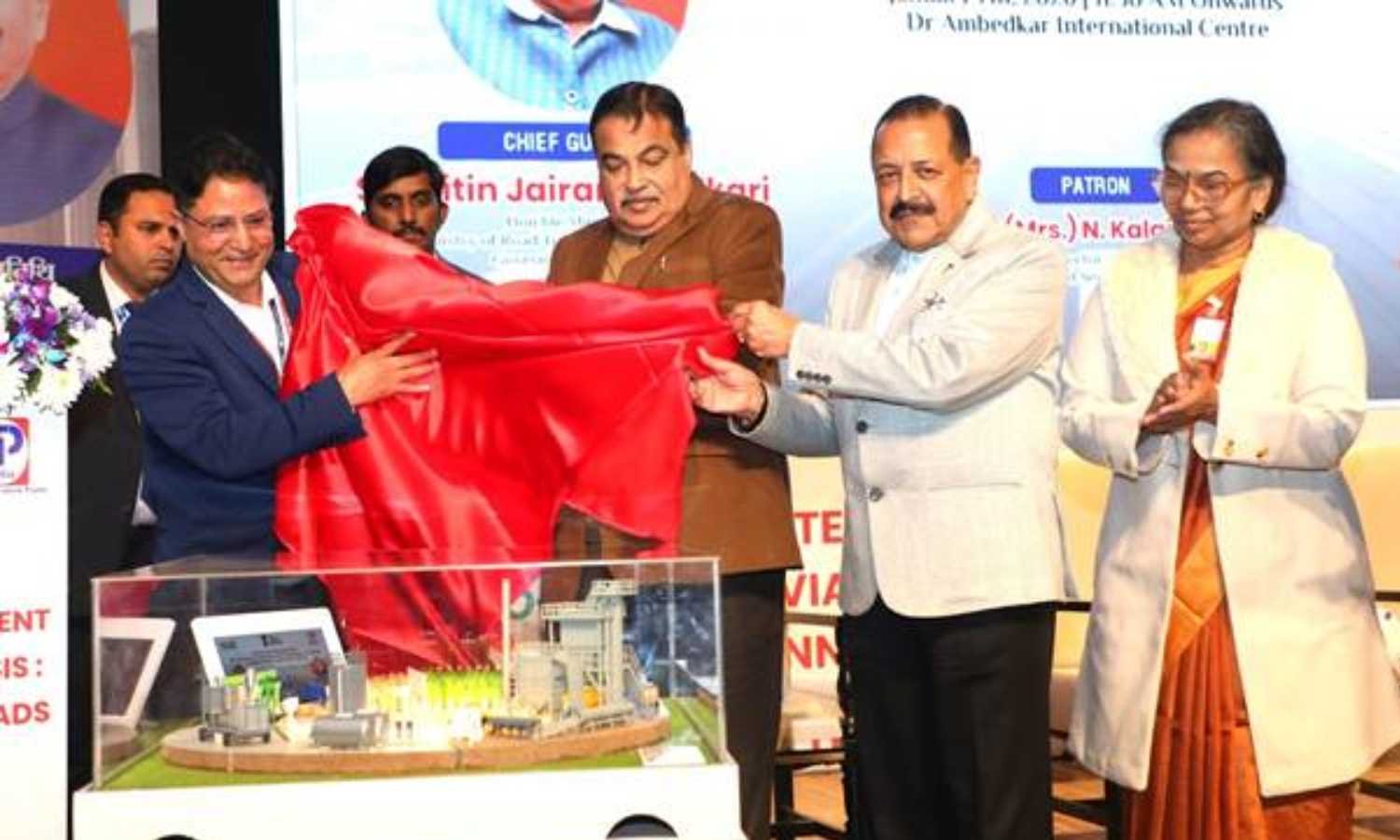
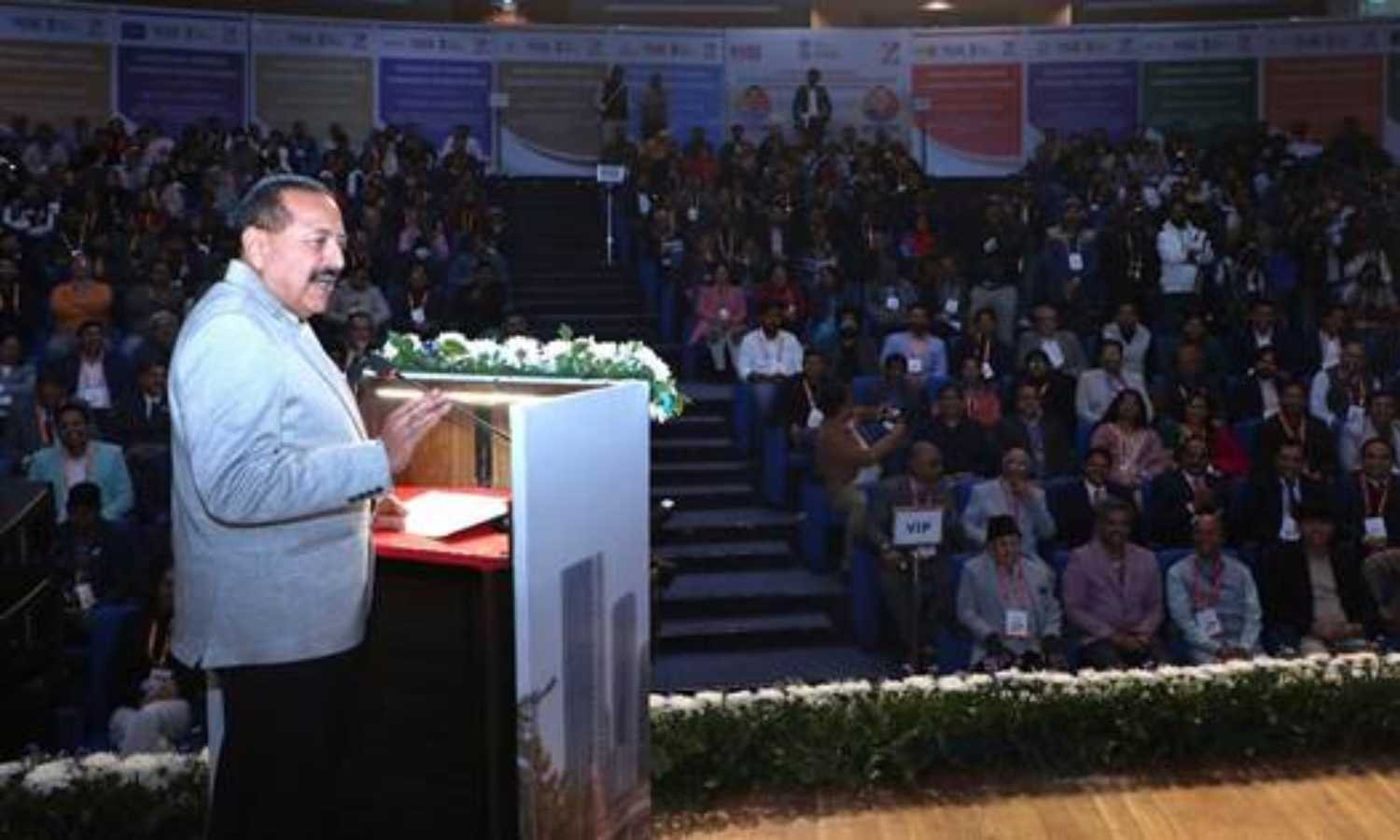
New Delhi: Union Minister of State for Science and Technology Dr Jitendra Singh said India had entered an era of clean, green highways after CSIR completed the technology transfer of bio-bitumen technology. He made the statement while addressing a technology transfer ceremony in New Delhi on Tuesday.
Dr Jitendra Singh said the innovation, titled “Bio-Bitumen via Pyrolysis: From Farm Residue to Roads”, marked a historic shift. According to him, India’s highways were now moving away from fossil fuel dependence. Instead, they were adopting bio-driven, regenerative, and circular economy solutions.
Moreover, the Minister said roads built using the bio-bitumen technology would require lower budgets. He added that such roads would also offer a longer and more sustainable lifespan. At the same time, the technology would reduce environmental pollution linked to conventional bitumen use.
He described the initiative as a whole-of-science and whole-of-government effort. Therefore, he said it reflected the whole-of-nation approach envisioned by Prime Minister Narendra Modi for building a Viksit Bharat.
In addition, Dr Jitendra Singh said indigenous technologies like bio-bitumen showed how science could directly serve national missions. These include cleanliness, Atmanirbhar Bharat, and economic self-reliance. He also stressed that clear communication would help ensure wider stakeholder adoption.
Meanwhile, the Minister pointed out that India currently imported nearly 50% of its bitumen requirement. He noted that bio-bitumen technology could replace imports worth ₹25,000–30,000 crore each year. As a result, the innovation would strengthen domestic capacity while cutting foreign dependence.
Bio-bitumen technology shows strong economic and environmental gains
CSIR-Central Road Research Institute in New Delhi and CSIR-Indian Institute of Petroleum in Dehradun developed the bio-bitumen technology. The process uses pyrolysis of post-harvest rice straw to produce bio-oil. Engineers then blend this bio-oil with conventional bitumen.
Laboratory studies confirmed that the blend could safely replace 20–30% of conventional bitumen. Importantly, the replacement did not affect road performance. Scientists conducted physical, chemical, rheological, and mechanical tests. These included rutting, cracking, moisture damage, and resilient modulus assessments.
Furthermore, authorities laid a 100-metre trial stretch using bio-bitumen on the Jorabat–Shillong Expressway in Meghalaya. Officials said the trial confirmed field-level feasibility. CSIR has filed a patent for the technology. At the same time, several industries have joined for commercial deployment.
CSIR Director General and DSIR Secretary N Kalaiselvi called the occasion a proud moment for Indian science. She said India had become the first country to scale bio-bitumen technology to industrial and commercial levels within the same year. She added that biomass pyrolysis also yielded clean fuel gas, bio-pesticide fractions, and high-grade carbon for advanced uses.
The event drew senior CSIR scientists, industry partners, and media representatives. Overall, officials said the technology transfer reaffirmed India’s commitment to sustainable infrastructure, indigenous innovation, and clean, self-reliant highways.
