

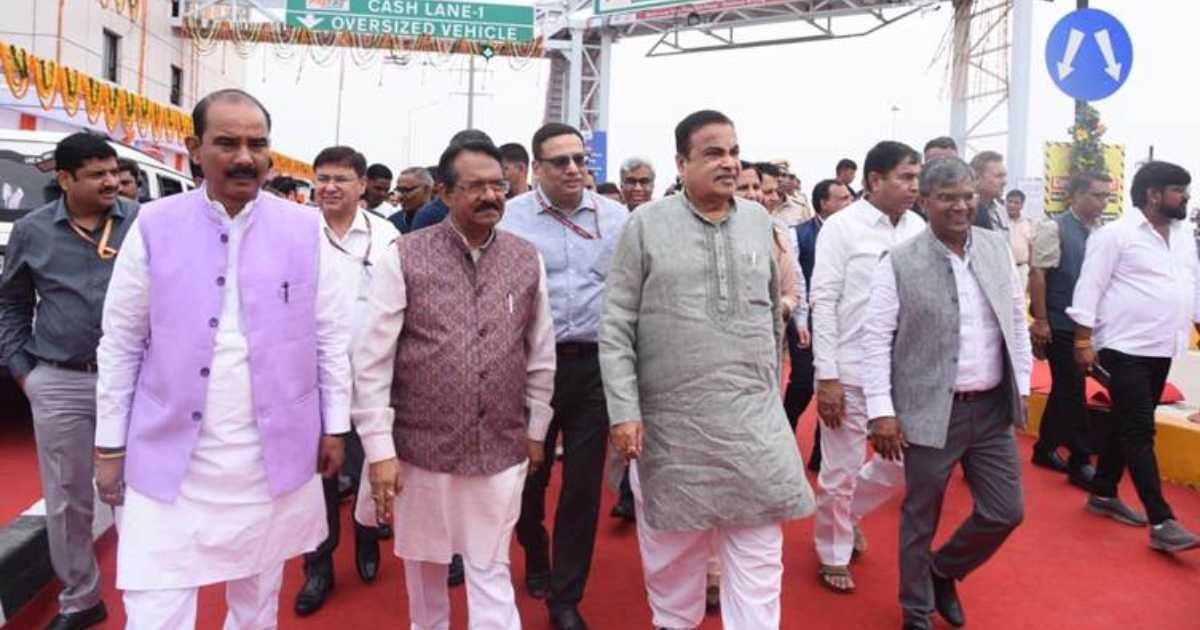
New Delhi: The Government launched the MLFF tolling system to enable barrier-less toll collection on national highways. Union Minister Nitin Gadkari introduced the system at Mundka–Bakkarwala on the UER-II corridor in the National Capital Region. Moreover, the system aims to improve travel flow and reduce congestion.
The new framework uses Multi-Lane Free Flow technology. It integrates Automatic Number Plate Recognition with FASTag-based electronic toll collection. As a result, vehicles will pass without stopping at toll plazas. Therefore, commuters will experience faster and smoother travel.
Officials said the system will lower fuel use and cut pollution. In addition, it will reduce logistics costs across sectors. The government expects major operational savings through digital tolling reforms.
The minister said toll operations earlier cost nearly 15 percent of collections. However, under the MLFF model, costs may fall to 3–4 percent. Consequently, annual savings could reach ₹5,000–6,000 crore. He also said technology reforms have increased highway revenues over time.
Fuel savings form another key benefit. The system may save nearly 250 crore litres of fuel each year. Furthermore, it may reduce about 81,000 tonnes of carbon emissions. This reduction will support cleaner air, especially in Delhi-NCR.
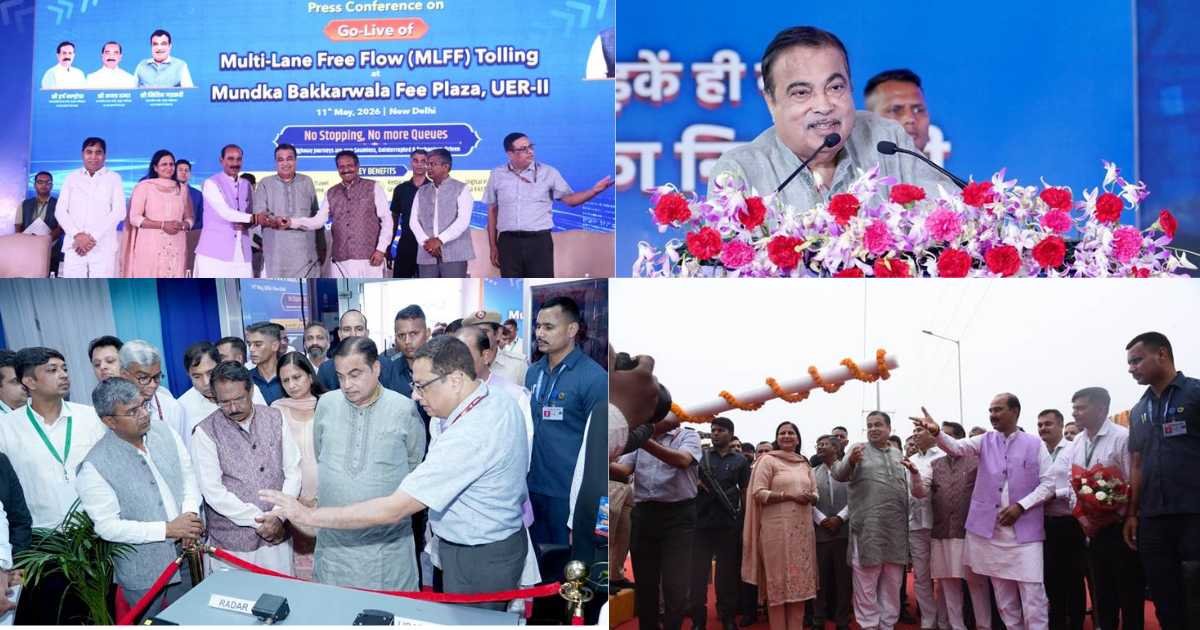
MLFF tolling system strengthens digital highway infrastructure
The MLFF tolling system marks a major step in digital highway development. It supports uninterrupted vehicle movement across toll points. In addition, it improves transparency in toll collection.
Authorities stated that vehicles must maintain sufficient FASTag balance. Otherwise, users will receive an Electronic Notice for non-payment. They must pay the fee within 72 hours. If they fail to do so, they will pay double the normal rate.
Users can access and pay notices through the official portal: https://nhfeenotice.parivahan.gov.in/#/. Moreover, they may raise grievances within 72 hours. Continued non-payment may lead to FASTag blacklisting.
The system will also reduce human intervention at toll plazas. Therefore, it will improve efficiency and minimize delays. It aligns with the government’s goal of building a technology-driven national highway network.
Officials said the initiative will enhance road safety and traffic management. In addition, Artificial Intelligence tools will support monitoring and operations. The government urged citizens and media to support the reform.
Earlier, the National Highways Authority successfully launched MLFF-based tolling at another location in Gujarat. Consequently, authorities plan wider rollout across the country. The system represents a shift toward sustainable and user-friendly infrastructure.
