
Telangana and Maharashtra form panel to review Tummidihatti barrage height

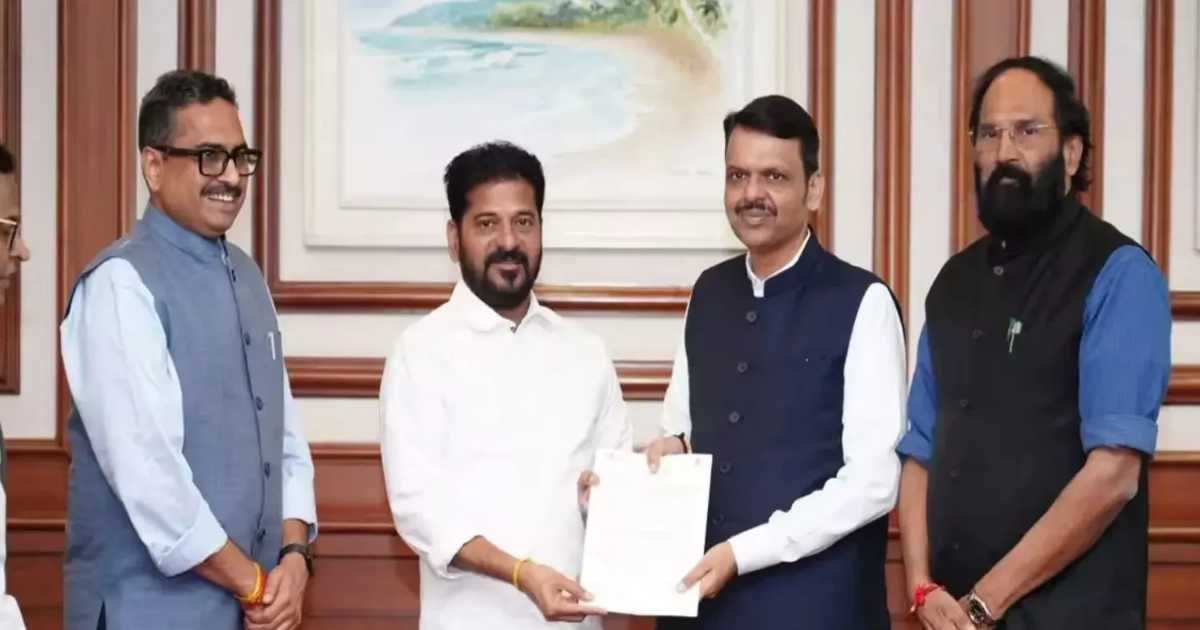
Hyderabad: Telangana and Maharashtra have agreed to form a joint committee to review a proposal to increase the Tummidihatti barrage height from 148 metres to 152 metres. The decision followed talks between Telangana Chief Minister A. Revanth Reddy and Maharashtra Chief Minister Devendra Fadnavis in Mumbai on Monday.
The committee will examine the technical feasibility, environmental implications and submergence risks associated with the proposed increase. The meeting took place at the Sahyadri State Guest House and brought together senior officials from both states.
The Telangana delegation included Irrigation Minister N. Uttam Kumar Reddy, the Chief Secretaries of both states and senior Irrigation department officials. The discussions focused on resolving the long-standing interstate issues surrounding the project.
Uttam Kumar Reddy presented Telangana’s case for raising the barrage height to 152 metres. He argued that the 148-metre limit under the 2016 agreement did not adequately address irrigation needs in the backward, tribal-dominated Adilabad region.
He also cited rising energy requirements, high power costs, climate change and long-term operational sustainability. According to the minister, the higher structure would improve gravity-based water conveyance and offer a more viable solution over time.
Telangana also offered to compensate Maharashtra farmers whose land could face submergence. The state would follow Maharashtra’s prevailing land acquisition guidelines and compensation standards, according to the proposal presented at the meeting.
Tummidihatti barrage proposal linked to Adilabad’s development
Revanth Reddy and Uttam Kumar Reddy said the project could support broader social and economic development in northern Telangana. They pointed to Adilabad’s longstanding economic challenges and the needs of its tribal communities.
Revanth invoked tribal leader Komaram Bheem and the Jal, Jangal, Zameen movement while highlighting the region’s demand for water. He said efforts to secure water for the area had continued for more than five decades, dating back to October 6, 1975.
The Chief Minister also linked the barrage proposal to plans for civilian and defence airport facilities in Adilabad. He said these projects could help drive regional growth and strengthen economic ties between northern Telangana and neighbouring districts of Maharashtra.
“The Tummidihatti Barrage is not merely an irrigation structure; it is a catalyst for economic upliftment in one of the country’s historically neglected tribal regions,” Revanth said. He called on both states to cooperate in the spirit of shared brotherhood and mutual growth.
Fadnavis responded positively to Telangana’s request and expressed willingness to reconsider the proposed increase. He also referred to his personal and cultural affinity with the border region.
However, the Maharashtra Chief Minister stressed that technical scrutiny, land impact assessments and administrative procedures must precede a final decision. He said Maharashtra would support Telangana’s water requirements in the national interest if the revised proposal did not adversely affect its communities.
The meeting ended with Revanth inviting Fadnavis to the Invest Telangana Global Summit, scheduled for December 7–9 at Future City in Hyderabad. Fadnavis responded positively and expressed interest in attending the event.
