

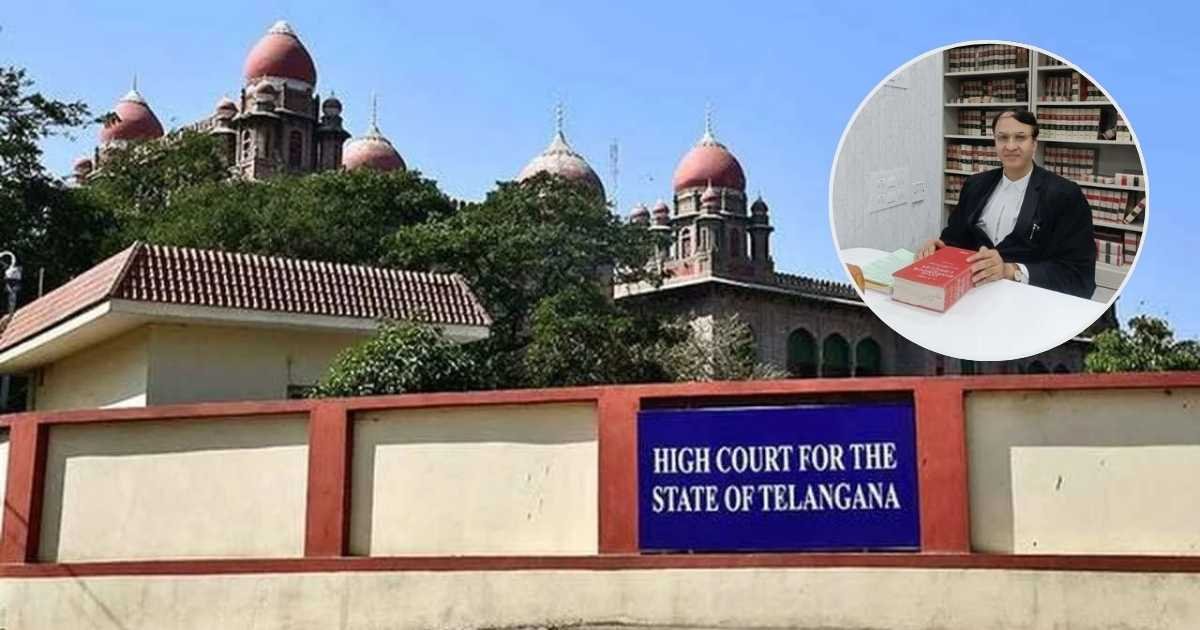
Hyderabad: The Telangana High Court on Monday sought detailed explanations from the respondents over alleged procedural and regulatory lapses at a mega blood donation camp. The petitioner told the court that 41 units of blood collected at the camp were later discarded. He alleged that some units were HIV-positive or carried other blood-borne infections. The camp took place on February 23, 2025 at King’s Palace, Gudimalkapur.
Justice Sharavan Kumar heard the matter. Advocate Barkat Ali Khan appeared as party-in-person. The writ petition concerns the camp organised by the Thalassemia Sickle Cell Society (TSCS) and journalist Mohammed Akram alias Abu Aimal (Azaad Reporter). The petitioner alleged that the camp violated the Drugs and Cosmetics Act, 1940, the Drugs and Cosmetics Rules and the guidelines for voluntary blood donation camps.
Khan submitted that, as Union Health Minister J.P. Nadda has stated, blood is personal while in the body but becomes a national resource once donated. It therefore needs proper screening, testing, documentation and handling, he said. He alleged that the organisers did not follow several mandatory safeguards on donor screening, health assessment, counselling, consent and record-keeping.
He also referred to Section 12 of the Act. He submitted that the regulatory framework requires prescribed procedures for blood collection and handling. The petition alleges inadequate HIV and hepatitis screening, insufficient donor health checks, and no proper counselling or documented consent. It also alleges that the organisers failed to upload the camp details on the e-RaktKosh portal.
Drugs Control Administration issued show-cause notice
Khan submitted that proper pre-donation screening could have prevented the collection of blood that was later discarded. That would have avoided wastage and reduced the risk of unsafe blood reaching thalassemia patients, he said. He also pointed out that a similar incident reportedly occurred in Jharkhand last year. In his view, it shows the need for strict pre-donation screening and safety measures.
The petitioner had earlier approached the Gudimalkapur Police, the Thalassemia Centre and concerned hospitals through complaints and RTI applications. According to him, TSCS failed to take effective action or give a proper response. Following his complaint, the Drugs Control Administration conducted an enquiry and investigation. It allegedly found violations at the Thalassemia Centre. The competent authority then issued a show-cause notice dated June 3, 2025. The notice asked the concerned blood bank to explain why its licence should not be suspended or cancelled.
The court directed the petitioner to file an additional affidavit with supporting documents. It also directed the respondents to file detailed affidavits explaining the alleged testing and record-keeping lapses. These include the collection of blood later found to be HIV-positive and discarded. The court heard both sides at length and is examining the safeguards for voluntary blood donation camps and the handling of collected blood. The matter will come up for further hearing on October 12, 2026.
