

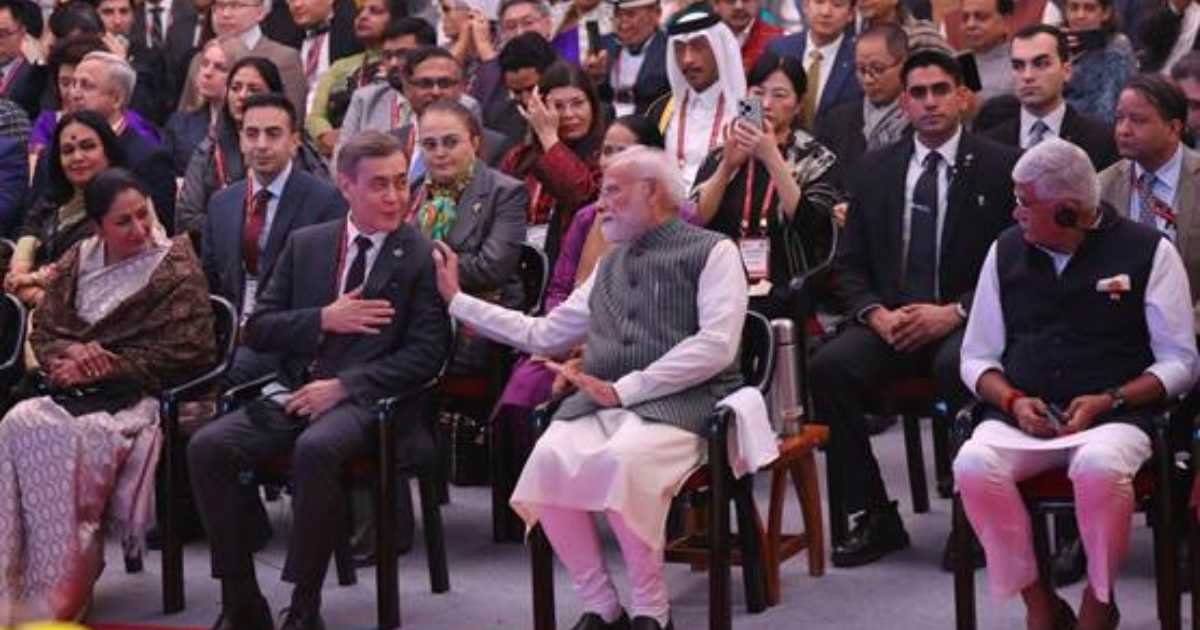
New Delhi: The first Shanghai Cooperation Organisation (SCO) Civilisational Dialogue Forum concluded in New Delhi on November 22, 2026. The three-day event brought together 116 delegates from 22 countries to strengthen cultural cooperation and celebrate shared civilisational heritage. The forum was jointly organised by the Union Ministries of Culture and External Affairs, with the Indira Gandhi National Centre for the Arts (IGNCA) as its knowledge partner.
Prime Minister Narendra Modi inaugurated the forum on November 20 at the historic Purana Qila. Participants included four ministers, SCO Secretary General Nurlan Yermekbayev, deputy ministers, ambassadors and senior government officials. Scholars, cultural representatives, subject experts and SCO Secretariat officials also attended.
The gathering provided a platform for participating countries to discuss historical connections and explore opportunities for cultural partnerships. Over three days, the programme featured high-level discussions, thematic sessions, heritage visits and cultural presentations.
During the inaugural programme, organisers presented a cultural performance and screened a film on the forum. Two exhibitions were also organised at Purana Qila. The exhibition ‘ASTITVA – The Essence of Our Existence’ showcased Delhi’s archaeological and cultural heritage. Meanwhile, the Mahabharat Scroll Pavilion displayed a rare 18th-century illustrated Mahabharata manuscript.
In his inaugural address, Modi highlighted the role of civilisational dialogue in promoting peace, mutual understanding and trust among nations. He recalled India’s historical connections with Central Asia, China, Southeast Asia and the wider Eurasian region. Trade, scholarship, spiritual journeys and the exchange of knowledge helped build these links over centuries.
The Prime Minister also referred to the international journeys of the Panchatantra, Ramayana and mathematical knowledge. He highlighted shared influences in music, architecture, spiritual traditions and artistic expression. Furthermore, he called on SCO countries to strengthen these connections through modern technology and artificial intelligence.
Modi proposed cooperation in digitising manuscripts and cultural collections, conducting joint research and organising exhibitions. He also highlighted academic exchanges, cultural tourism and greater participation by young people. His address emphasised the civilisational principle of Vasudhaiva Kutumbakam, which promotes the idea of the world as one family.
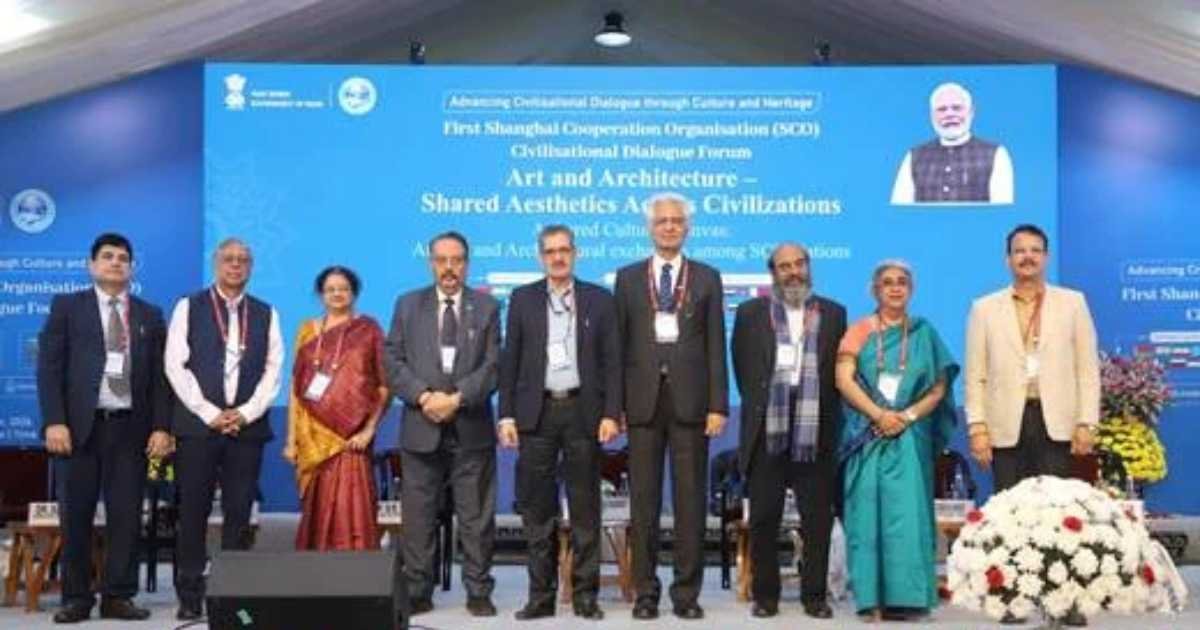
SCO Civilisational Forum explores shared heritage and cultural links
On November 21, the forum held a thematic session on ‘Civilisational and Cultural Expressions’. Union Culture Minister chaired the session, where ministers and representatives discussed their countries’ cultural traditions and historical experiences. The discussions focused on protecting tangible and intangible heritage, strengthening institutional ties and encouraging exchanges among scholars and artists.
The Archaeological Survey of India organised another session titled ‘A Shared Cultural Canvas – Artistic and Architectural Exchanges Among SCO Nations’. Participants examined historical connections that shaped the region’s artistic and architectural traditions. Discussions covered prehistoric and Bronze Age links, Buddhist art and architecture, Silk Route exchanges, Indo-Persian influences and maritime connections.
Delegates also discussed joint approaches to heritage conservation and digital documentation. Later, they visited the exhibition ‘The Light and the Lotus: Relics of the Awakened One’ at the Qila Rai Pithora Cultural Complex. The visit highlighted India’s Buddhist heritage and the wider Asian networks through which Buddhist philosophy, art and sacred relic traditions spread. The day’s programme ended with a cultural presentation by the Sangeet Natak Akademi and a dinner.
The final day, November 22, featured discussions on language, literature, scripts, manuscripts and monastic traditions. The session on language and literary heritage examined ways to preserve languages, scripts and manuscripts. Participants also discussed how knowledge passed across generations and geographical boundaries.
Another session, titled ‘Monastic Trails – Religious and Philosophical Traditions’, explored the historical journeys of faith and philosophy. It examined connections among religious institutions, learning centres and communities across the SCO region.
The three-day discussions helped participating countries identify common priorities in heritage preservation, research and documentation. Delegates also explored opportunities for academic engagement and stronger cultural partnerships.
As a key outcome, the participating countries prepared the Indraprastha Communiqué. The document captures the main themes, perspectives and areas of agreement that emerged during the deliberations. It is intended to guide continued dialogue and cultural cooperation among SCO member countries.
The concluding programme also included a visit to the Red Fort, followed by the Jai Hind light-and-sound show. The presentation offered delegates an opportunity to experience the monument’s history and its significance in India’s national heritage.
The forum reaffirmed the importance of sustained civilisational engagement in building mutual understanding and lasting relationships. It also highlighted opportunities to connect historical ties with contemporary cultural cooperation across the SCO region.
