
Consumer Affairs pushes digital reforms through E-Jagriti platform in eastern states

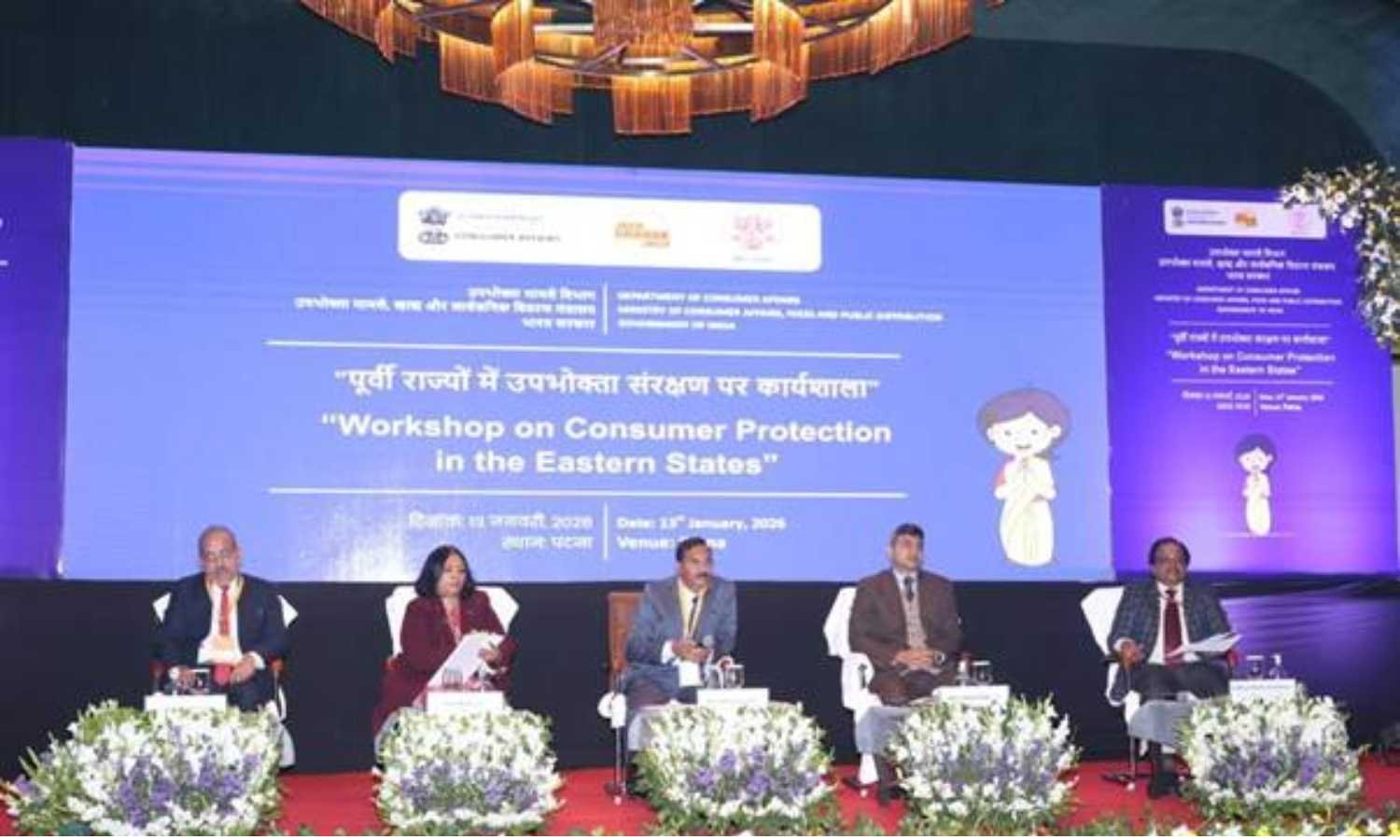
Patna: The Department of Consumer Affairs on Tuesday advanced digital reforms to strengthen consumer justice, with a strong focus on the E-Jagriti platform, during a regional workshop held in Patna for eastern states.
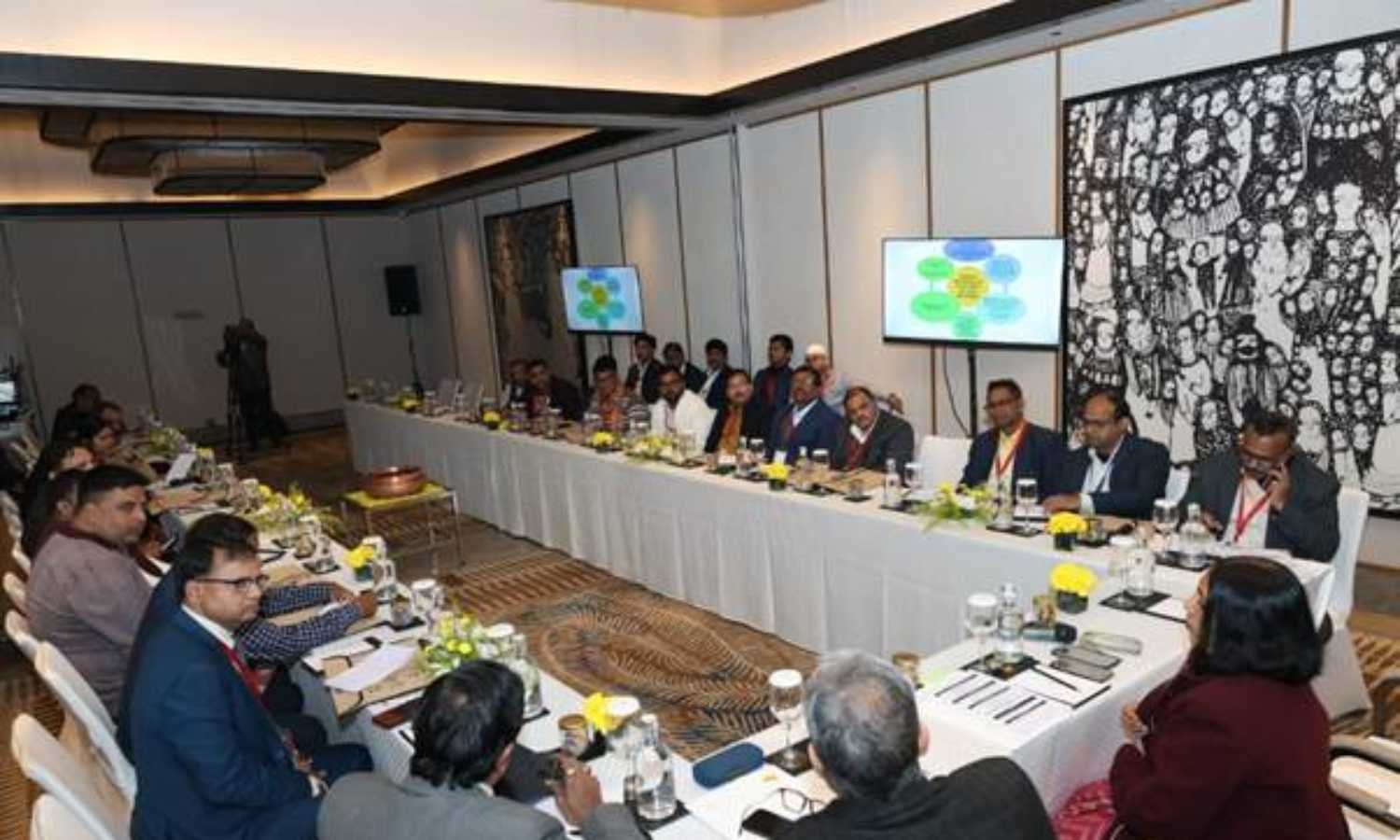
At the workshop, officials from Bihar, West Bengal, Jharkhand and Odisha came together to review the functioning of Consumer Commissions. Importantly, discussions centred on reducing case pendency, improving compliance with commission orders, and addressing dark patterns and unfair trade practices in digital markets.
In her keynote address, Consumer Affairs Secretary Nidhi Khare outlined major steps taken to modernise consumer grievance redressal. Notably, she highlighted the expanding role of the National Consumer Helpline 2.0 as a pre-litigation platform offering multilingual access, online complaint filing and faster resolution.
She explained that the nationwide rollout of the E-Jagriti platform, earlier known as CONFONET 2.0, marked a decisive shift in the system. Unlike fragmented legacy processes, the platform integrates e-Daakhil, online case management, video conferencing, dashboards and AI-based tools. As a result, Consumer Commissions now operate through an end-to-end digital workflow.
According to Khare, the E-Jagriti platform ensures transparency and enables real-time monitoring of cases. Consequently, it helps commissions dispose of cases faster. In addition, she said digital systems could significantly improve access to consumer justice in rural and remote districts of eastern India.
To strengthen outcomes, she urged State and District Consumer Commissions to use video hearings and automated tools more extensively. At the same time, she stressed that timely execution of orders remained critical for restoring public confidence.
E-Jagriti platform anchors digital consumer justice reforms
Turning to agriculture and price stability, Khare emphasised the need to strengthen domestic pulses production. She pointed out that household consumption had steadily shifted from cereals to pulses. In this context, she said Bihar had strong potential to expand pulses cultivation and structured procurement.
She further noted that India continued to import pulses such as arhar, chana and urad from countries including Myanmar, Australia and Brazil. Therefore, she stressed the need to build domestic capacity. At the same time, she reiterated the government’s commitment to MSP-based procurement when prices fall below support levels, while allowing farmers to benefit from higher market prices.
Welcoming the digital governance focus, Bihar Chief Secretary Pratyaya Amrit said such reforms were essential for future-ready administration. Moreover, he said citizens must be treated as consumers with rights to clear information, fairness and timely redressal. He assured that Bihar would implement the recommendations emerging from the workshop.
The programme featured four technical sessions covering key areas. These included digital transformation through the E-Jagriti platform, best practices to minimise adjournments, effective execution of consumer commission orders, and consumer protection challenges in digital markets. Parallel sessions also discussed legal metrology reforms and price stabilisation measures.
In conclusion, participants committed to expanding digital adoption, strengthening institutional capacity and enhancing inter-state cooperation. The Department of Consumer Affairs reaffirmed its support to eastern states in building a fast, accessible and technology-driven consumer justice system through the E-Jagriti platform.
