

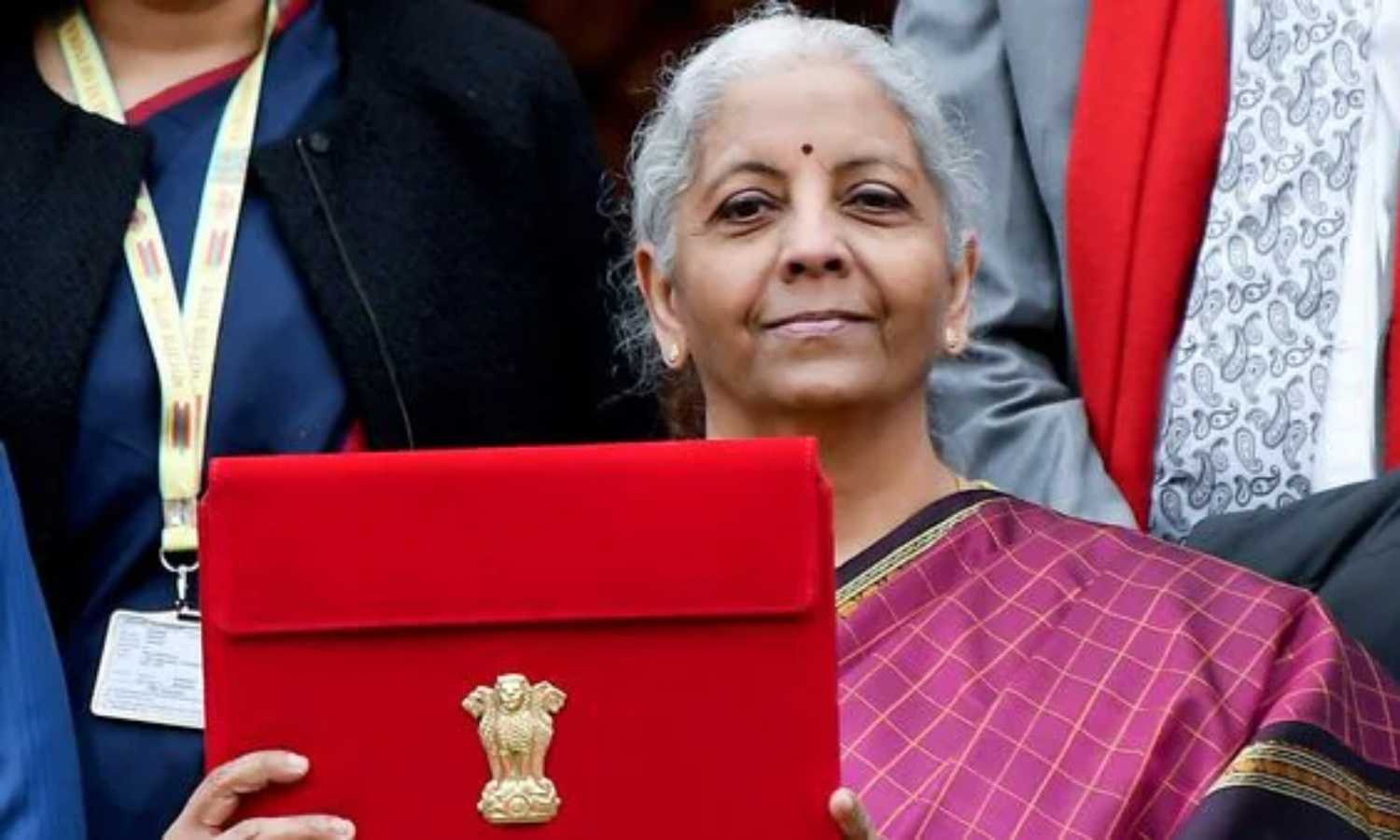
New Delhi: Union Finance Minister Nirmala Sitharaman presented the Union Budget 2026–27 in Parliament on February 1, setting out a growth strategy anchored in public investment, fiscal discipline and inclusive development.
She said the Budget framework rested on three national kartavyas—sustaining growth, empowering citizens and ensuring inclusive progress. The government fixed the fiscal deficit target at 4.3% of GDP and raised capital expenditure to a record ₹12.2 lakh crore. Officials said the measures reflected a long-term focus on youth, infrastructure and innovation.
For the first time, officials prepared the Budget at Kartavya Bhawan. The government projected non-debt receipts at ₹36.5 lakh crore for FY27 and pegged total expenditure at ₹53.5 lakh crore. Gross market borrowings may touch ₹17.2 lakh crore, while the debt-to-GDP ratio is expected to stand at 55.6%.
The Finance Minister also highlighted income tax reforms. She confirmed that the New Income Tax Act, 2025, would roll out from April 2026 with simplified rules and redesigned forms. In addition, the government cut TCS on overseas tour packages and education or medical remittances to 2%. It also announced a one-time foreign asset disclosure scheme for small taxpayers.
Union Budget 2026 details capex-led growth and sectoral push
Under the first kartavya, the government announced six growth pillars. These included Biopharma Shakti with an outlay of ₹10,000 crore over five years and the India Semiconductor Mission 2.0. The government enhanced the Electronics Components Manufacturing Scheme to ₹40,000 crore and proposed rare earth corridors in Odisha, Kerala, Andhra Pradesh and Tamil Nadu.
Public capital expenditure has risen from ₹2 lakh crore in FY15 to ₹11.2 lakh crore in FY26. The government will now scale it up to ₹12.2 lakh crore in FY27. It also proposed an Infrastructure Risk Guarantee Fund and plans to monetise CPSE assets through REITs.
The second kartavya focused on human capital. The Budget proposed university townships near industrial corridors, one girls’ hostel per district and a Standing Committee on “Education to Employment and Enterprise”. It also announced new institutes for Ayurveda, hospitality and creative technologies, along with five regional medical tourism hubs.
Under the third kartavya, the government targeted inclusive development. It announced crop promotion programmes, mental health institutes, skill training for the Divyangjan and special initiatives for the northeast and Purvodaya states.
The Budget also introduced tax and customs reforms. It raised STT on futures and options, taxed buyback income under capital gains and reduced customs duties on several imports. Officials said these steps would support investment, ease trade and strengthen compliance.
