

New Delhi: India Bhutan trans-boundary rivers cooperation gained fresh momentum during a high-level visit to the Kingdom of Bhutan from February 24 to 27, 2026. The delegation was led by V. L. Kantha Rao, Secretary, Department of Water Resources, River Development & Ganga Rejuvenation under the Ministry of Jal Shakti.
The Indian delegation included officials from the Department of Water Resources, representatives of Assam and West Bengal, and WAPCOS Ltd. The visit focused on strengthening collaboration on shared river systems and reviewing ongoing hydropower projects implemented in partnership with the Government of India.
India Bhutan trans-boundary rivers cooperation reviewed
During the Secretary-level bilateral meeting held on February 25, both sides reviewed existing flood management and flood forecasting mechanisms. In addition, they discussed modernising Bhutan’s hydro-meteorological observation network on trans-border rivers.
Furthermore, the discussions emphasised improving real-time data sharing related to hydro-meteorological observations and flood forecasting. Both countries also explored enhanced technical exchanges and capacity-building initiatives. Importantly, they addressed emerging challenges linked to climate change, glacial lake outburst floods (GLOFs) and extreme weather events.
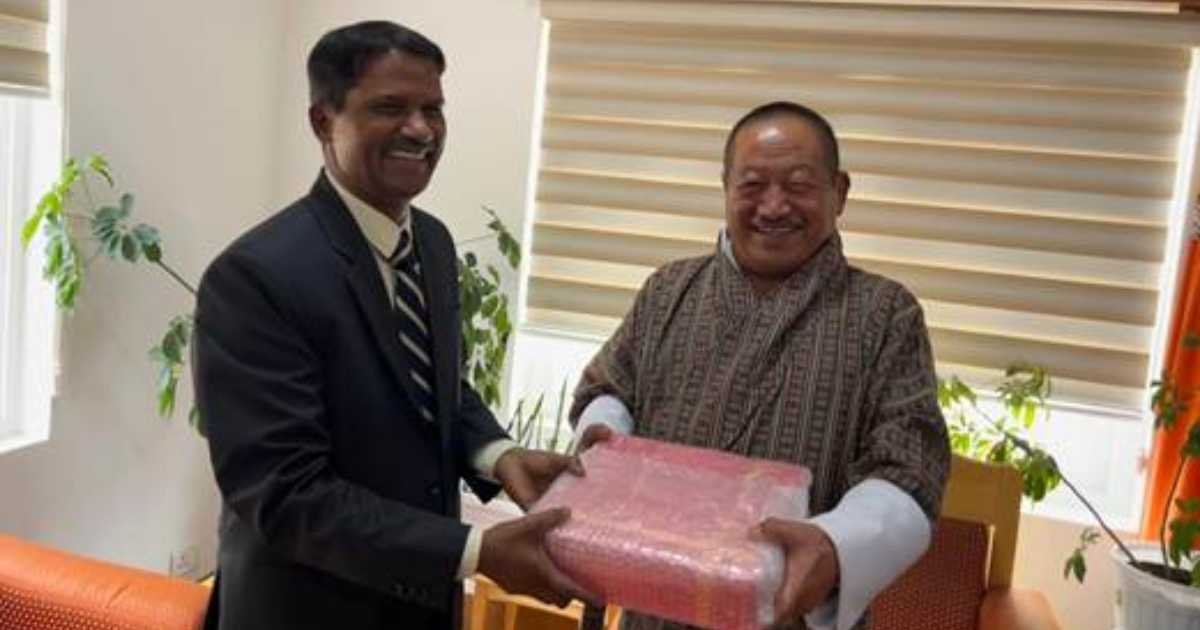
After the bilateral meeting, the Secretary paid a courtesy call on Gem Tshering, Bhutan’s Minister for Energy and Natural Resources. The interaction reaffirmed the strong partnership between the two neighbouring countries.
Hydropower projects and flood monitoring systems reviewed
During the visit, the delegation inspected the Punatsangchhu-I Hydro Electric Project, which is under construction in Bhutan with Indian support. The team also visited the recently commissioned Punatsangchhu-II Hydroelectric Project. Meetings were held with officials of both PHPA-I and PHPA-II to assess project progress.
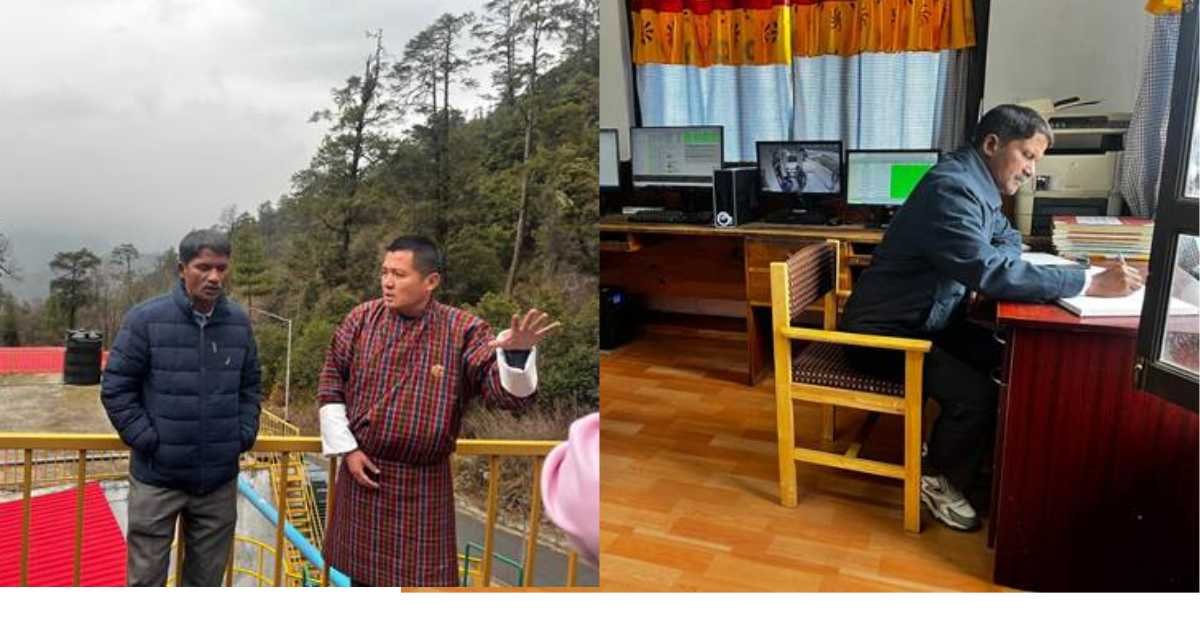
In addition, the Secretary visited the National Center for Hydrology and Meteorology in Thimphu. He also reviewed the 3.5 MLD Water Treatment Plant at Chamgang and inspected the NCHM flood monitoring station near Wangdue Phodrang Dzong.
Overall, the visit aimed to enhance water resources management and strengthen flood forecasting systems in shared river basins. Moreover, it underlined the importance of climate resilience in trans-boundary water cooperation.
The engagement reaffirmed India’s continued support for Bhutan in sustainable and mutually beneficial management of shared water resources. As a result, India Bhutan trans-boundary rivers cooperation is expected to further deepen in the coming years.
