

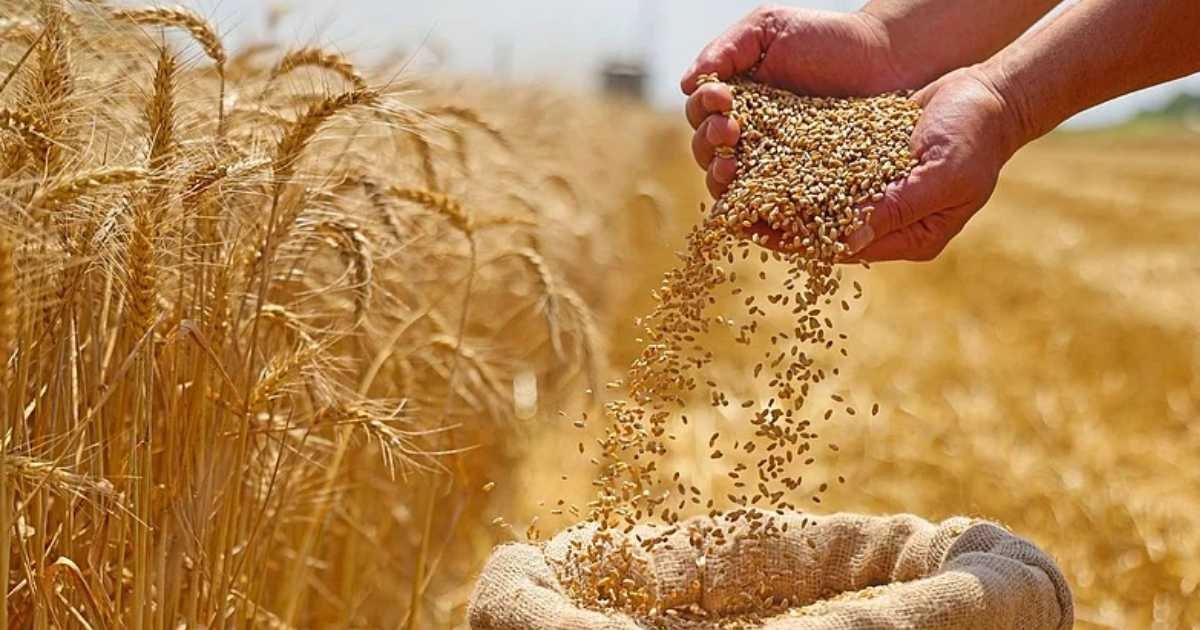
New Delhi: The government said wheat production for 2025–26 remained stable and resilient despite weather variations, citing strong sowing practices and improved crop management.
Officials clarified that farmers cultivated wheat across 33.4 million hectares, which marked an increase over the previous year. Moreover, no major pest or disease incidents affected the crop during the season.
However, the crop faced heat stress in February due to unusually high temperatures. This reduced the grain filling period and impacted yields in some areas. In addition, untimely rainfall and hailstorms caused localised damage to grain quality and output.
Despite these challenges, the government highlighted several factors that supported wheat production. For instance, early and timely sowing helped crops avoid severe heat during critical stages. Furthermore, an additional 0.6 million hectares under cultivation helped offset losses in affected regions.
Officials also noted that farmers adopted improved and climate-resilient varieties at a faster pace. As a result, these crops showed better resistance to heat and other stresses. At the same time, low weed infestation during growth stages further supported yields.
Wheat production gains support from procurement trends
Procurement data indicated strong output across key states. In Haryana, wheat arrivals crossed procurement targets, with 56.13 lakh metric tonnes already purchased. This marked an increase of about 9 lakh metric tonnes compared to last year.
Similarly, Madhya Pradesh raised its procurement target from 78 lakh metric tonnes to 100 lakh metric tonnes due to higher production estimates. Meanwhile, Maharashtra reported steady growth, with production estimated at 22.90 lakh tonnes and consistent arrivals from Marathwada and Vidarbha regions.
Overall, officials said wheat production remained stable due to increased acreage, improved practices, and better seed adoption. Therefore, these factors helped balance the impact of adverse weather conditions during the 2025–26 season.
