

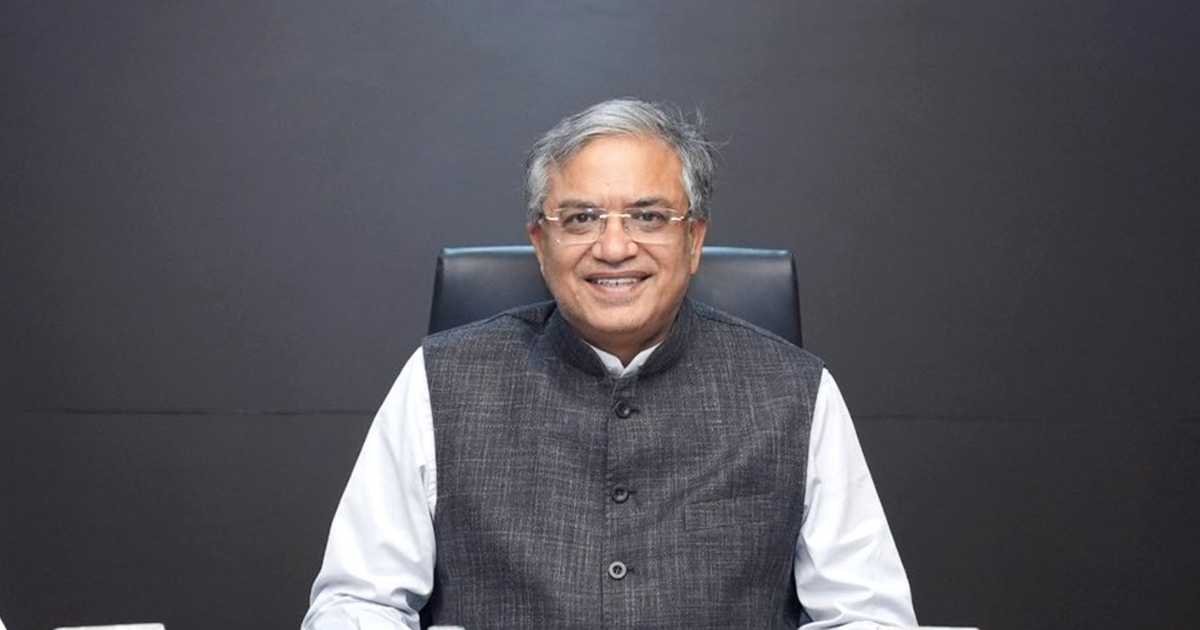
New Delhi: Electoral literacy for young citizens took centre stage as Chief Election Commissioner Gyanesh Kumar addressed students in Chennai on Thursday.
The Election Commission of India organised its third regional conference on Electoral Literacy Clubs (ELC 2.0) and ECINET.
The conference focused on strengthening electoral literacy and democratic awareness among young citizens. Kumar said students today would become the torchbearers of democracy tomorrow.
He said Electoral Literacy Clubs across India would help strengthen the backbone of the world’s oldest and largest democracy.
Students and teachers from schools, colleges and universities across Tamil Nadu and Puducherry attended the event. Kumar called students the future of the nation.
He stressed that engaging young citizens and gaining their trust were investments in democracy. He also urged young people to participate in elections with informed judgment.
Kumar explained that elections in India follow the Constitution, laws and ECI instructions. He said political parties, candidates or their representatives could audit the process at every stage.
The CEC urged students and young electors to understand India’s electoral system and democratic values. He also highlighted electoral registration, polling, counting and the ECI’s role.
Electoral literacy initiative expands across educational institutions
ELC 2.0 carries the tagline “Learn Democracy. Lead Democracy.” The programme will make Electoral Literacy Clubs more structured, visible and digitally enabled.
The initiative will cover schools, colleges and universities. It will encourage young and first-time voters to understand democracy and participate meaningfully.
Through ECINet, the ECI will provide election-related services from roll to poll. Moreover, a dedicated ELC portal will support year-round electoral literacy activities.
The programme aims to create a streamlined network of Electoral Literacy Clubs across India. These clubs will provide factual and practical education about the electoral system.
They will also share information on registration, polling and counting. In addition, students will learn about the ECINet App and other ECI initiatives.
India’s education system provides a large network for the programme. The country has about 15 lakh schools with nearly 25 crore students and over one crore teachers.
Higher education includes nearly 1,500 universities and around 70,000 institutions. These institutions have an estimated enrolment of 4.33 crore students.
The ECI expects this network to help young citizens become ambassadors of informed democratic participation.
Earlier, Kumar held an interactive session with more than 500 Booth Level Officers from Tamil Nadu. He congratulated them for their work during the Special Intensive Revision of electoral rolls.
He also praised the BLOs for supporting the smooth conduct of the revision exercise. Additionally, he congratulated them on the State’s record voter turnout in the recent Assembly elections.
Tamil Nadu recorded 4.93 crore votes and an 86.03% voter turnout. The turnout marked the highest level in the State’s history.
Students and BLOs later held question-and-answer sessions with the CEC. The interactions allowed participants to raise questions and clarify their doubts directly.
