

New Delhi: General NS Raja Subramani assumed charge as the third Chief of Defence Staff (CDS) and Secretary of the Department of Military Affairs on May 31. He pledged to strengthen national security, enhance military integration and accelerate the induction of indigenous defence systems.
After taking charge, General NS Raja Subramani paid tribute to the contributions of his predecessors and said he would build on the foundations they had created. He thanked the nation for its trust in the Armed Forces and said the services would continue to work closely with all stakeholders under a whole-of-nation approach.
The new CDS stressed the importance of improving jointness, integration and operational synergy among the Army, Navy and Air Force. He also highlighted the need to promote self-reliance in defence production through faster development and deployment of indigenous weapons and technologies.
General NS Raja Subramani said innovation and collaboration would remain central to future capability development. He called on defence stakeholders to support modernisation efforts and strengthen the country’s military preparedness.
NS Raja Subramani outlines defence priorities
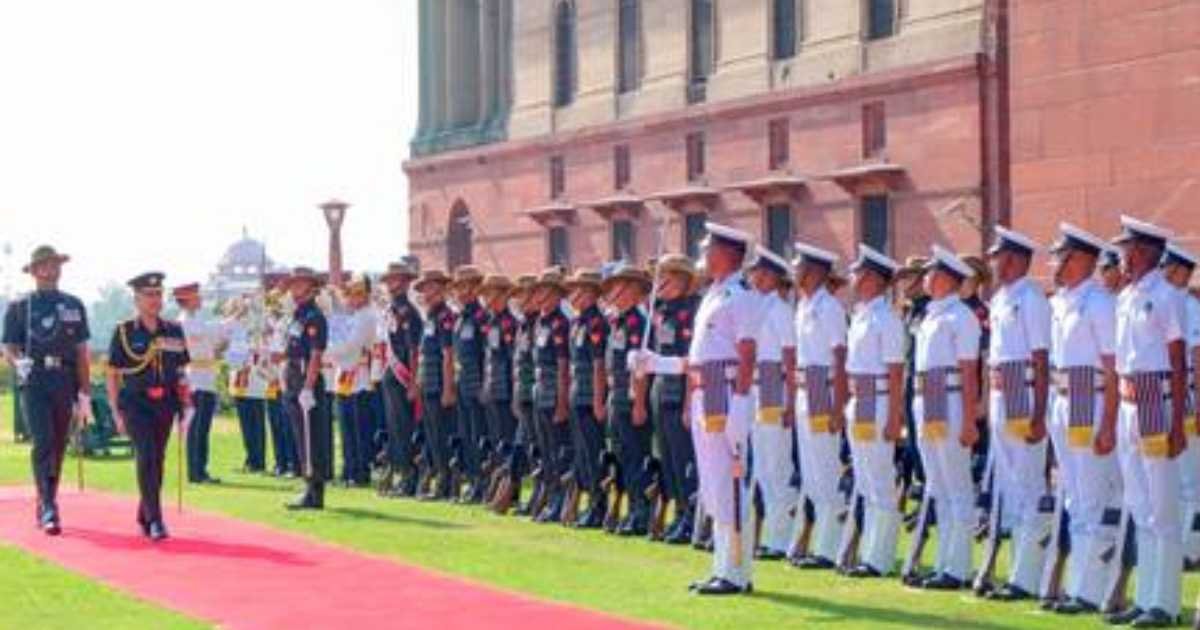
Earlier in the day, the CDS laid a wreath at the National War Memorial in New Delhi and paid homage to soldiers who made the supreme sacrifice in service to the nation. He later received a Tri-Service Guard of Honour at the South Block lawns.
The officer also praised members of the Armed Forces for their professionalism and operational readiness. In addition, he reaffirmed his commitment to strengthening training standards and supporting the welfare of veterans and Veer Naris.
General NS Raja Subramani urged personnel across the services to embrace change while preserving military values and traditions. He asked all ranks to pursue excellence and remain focused on meeting future security challenges.
A highly decorated officer, General Subramani was commissioned into the Garhwal Rifles in December 1985. During a career spanning more than four decades, he held several key command and staff appointments. These included General Officer Commanding of 2 Corps, General Officer Commanding-in-Chief of Central Command and Vice Chief of the Army Staff.
Before assuming the country’s highest military appointment, he served as Military Adviser at the National Security Council Secretariat. His appointment marks a significant leadership transition at a time when the Armed Forces continue to focus on modernisation, theatre integration and indigenous capability development.
