
BJP demands El Niño action plan as Gudur Narayana Reddy attacks Telangana government

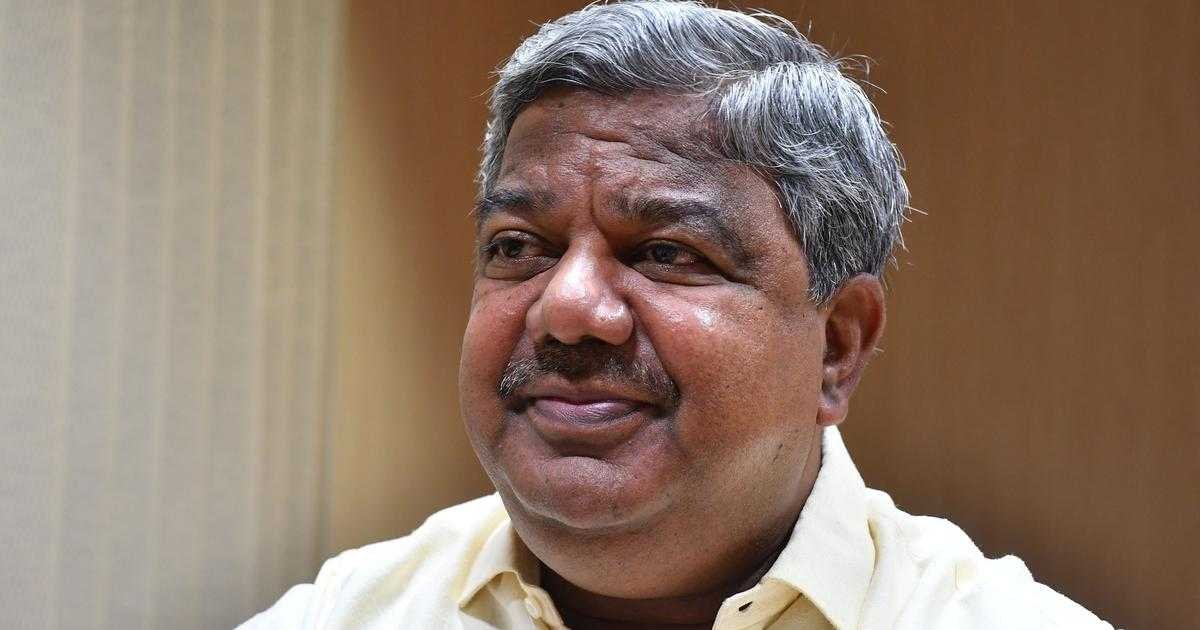
Hyderabad: Senior BJP leader Gudur Narayana Reddy on Saturday accused the Congress government of lacking an El Niño action plan to tackle the worsening drought threat in Telangana. He urged the State to maximise water storage, increase pumping from the Godavari and prepare for a prolonged rainfall deficit. According to him, the government must act without further delay.
Narayana Reddy claimed scientific agencies had warned about the possible impact of El Niño months ago. Despite those warnings, he alleged, the government failed to prepare a comprehensive water management strategy. Instead, it lost valuable time and delayed critical decisions, he said.
The BJP leader demanded continuous pumping of Godavari waters whenever river levels permit. He also called for maximum storage in reservoirs, balancing reservoirs, tanks and other irrigation structures. Every available drop from the Godavari and Krishna rivers should be stored instead of flowing into the sea, he added.
He urged the authorities to operate all pumping systems round the clock wherever technically feasible. The government should also resolve issues at the Medigadda barrage. It should run the Kannepalli Pump House whenever river conditions permit, he said.
BJP calls for long-term El Niño action plan
Forecasts suggest El Niño conditions could continue beyond the current monsoon and extend into early 2027, Narayana Reddy said. Therefore, the State should treat the situation as a long-term water security challenge.
He alleged that Telangana lacked a contingency strategy despite falling groundwater levels, declining reservoir storage and below-normal rainfall. He urged the government to harvest river flows, desilt reservoirs and tanks, strengthen rainwater harvesting systems and restore feeder channels.
Narayana Reddy also questioned the government’s push to attract artificial intelligence and data centre investments. He argued that such projects require large quantities of water for cooling and operations. Before inviting more investors, the government should prepare a comprehensive water security policy, he said.
He said drinking water, agriculture and industrial needs should form part of an integrated planning framework. Finally, he urged the government to review reservoir operations regularly and act quickly to reduce the impact of any prolonged drought.
