

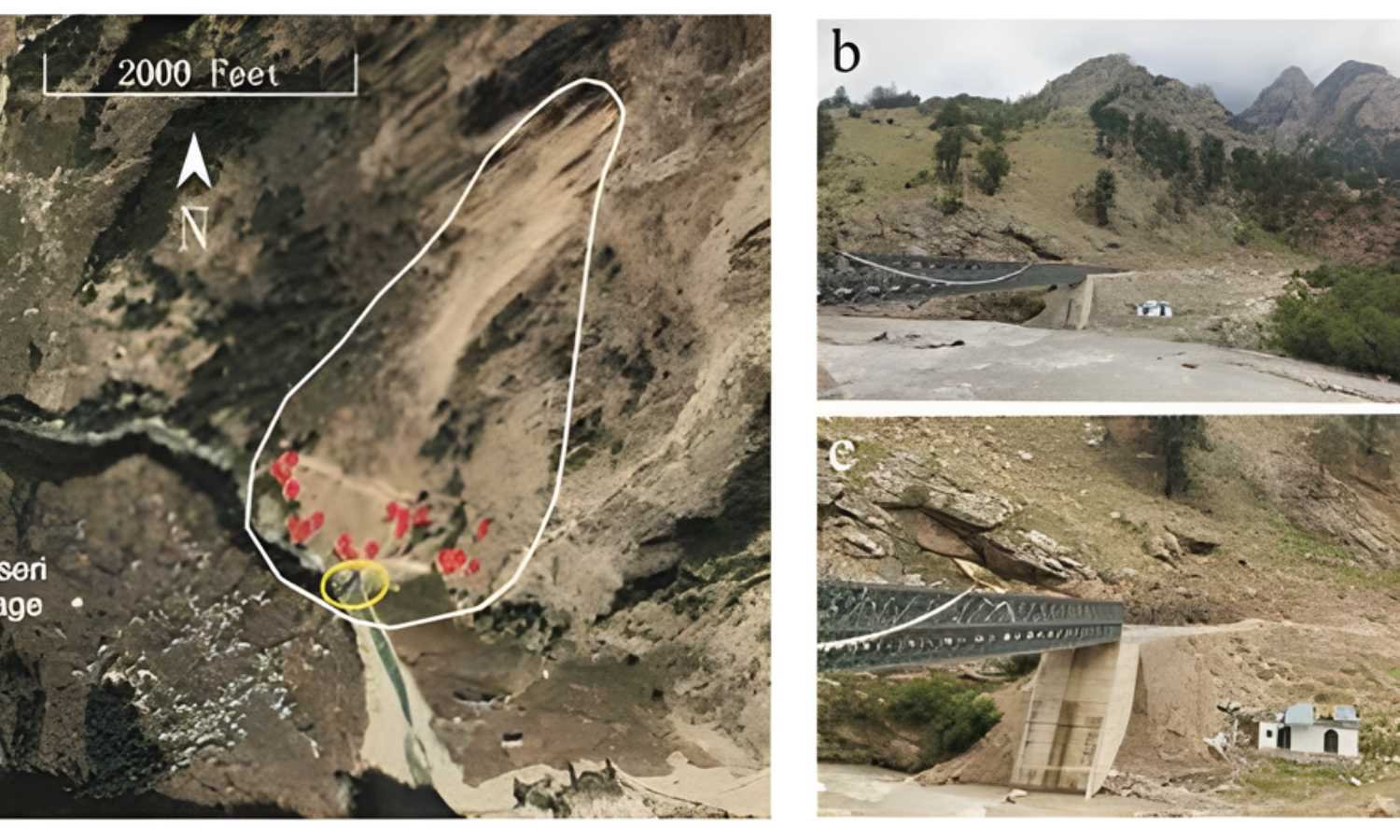
Kinnaur: A detailed scientific investigation has shown how Deodhar trees in Batseri village, located in the Sangla valley of Himachal Pradesh, reveal long-term patterns of climate change and associated hazards in the Himalayas. Their annual rings contain evidence of a climatic shift from wetter spring conditions during the Little Ice Age to progressively drier conditions after 1757 CE, with an increase in spring drought years in recent decades.
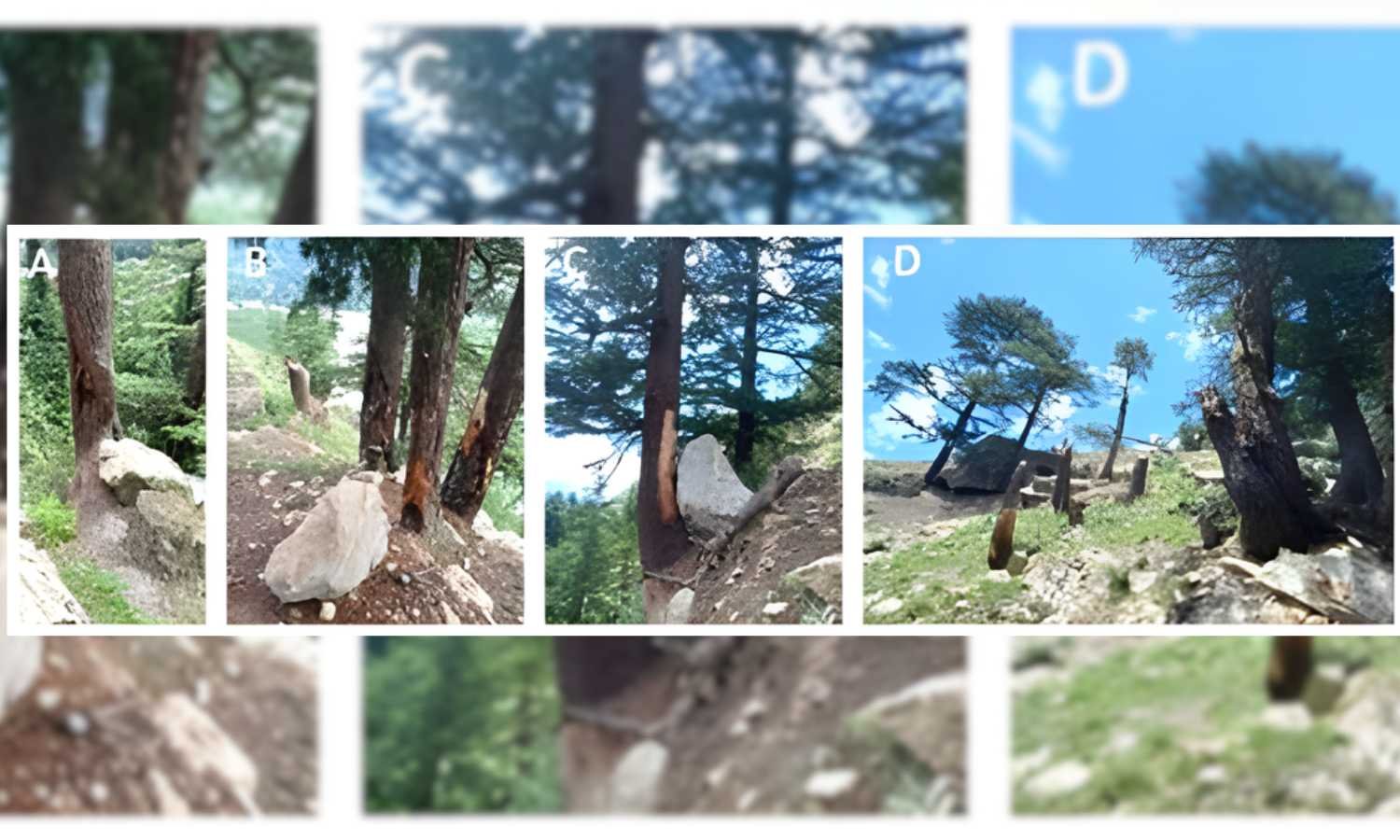
Deodhar trees provide critical insights into climate-driven Himalayan geohazards
The study examined the factors linked to geohazard activities to strengthen prediction capabilities for future events. Researchers highlighted how extreme climatic events such as droughts and floods, and their connections to landslides, glacial lake outburst floods, rockfalls, and snow avalanches, create heightened vulnerability in the Himalayan region. Tree rings, serving as natural archives, help reconstruct past hydroclimatic variations and geohazard episodes.
Motivated by the absence of long-term high-resolution data, the team from the Birbal Sahni Institute of Palaeosciences explored past climates following a rockfall incident in July 2021 near Batseri in Kinnaur. They used dendroclimatology and dendrogeomorphology to extend the region’s climate and hazard history.
Through their analysis, Deodhar trees contributed to reconstructing a 378-year spring moisture history from 1558 to 2021 CE and a 168-year rockfall activity record from 1853 to 2021 CE. The study found that spring moisture, influenced by winter precipitation from Western Disturbances, strongly governs tree growth.
Researchers identified 53 rockfall events, including eight high-intensity episodes, associated with dry spring conditions, especially after 1960. These drought periods led to reduced vegetation cover, increasing slope instability during intense summer monsoon rains.
The findings underline the need for forest management, vigilant monitoring, and early warning systems to address climate-induced hazards. The study, published in the journal Catena, also supports land-use planning, water resource management, and slope stability measures for local communities.
