

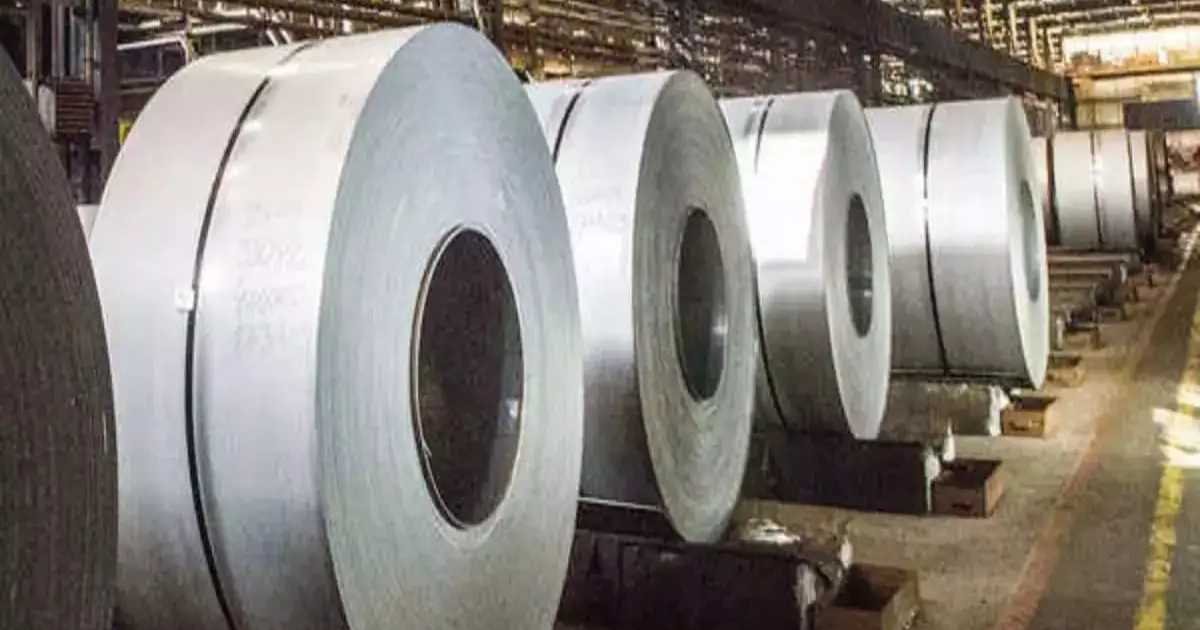
Hyderabad: The Indian steel industry recorded strong growth in 2025–26, driven by rising domestic demand and infrastructure activity, even as it faced global price pressures and supply challenges.
India retained its position as the world’s second-largest steel producer during the period. Crude steel output rose by over 10.7% year-on-year to about 168.4 million tonnes. This increase reflected steady industrial activity and expanding capacity.
Domestic demand remained the main driver of growth. Finished steel consumption reached around 164 million tonnes, growing by 7–8%. Increased activity in infrastructure, construction, railways and manufacturing supported this rise. As a result, government spending on large projects and urbanisation boosted consumption.
Exports boost Indian steel industry growth momentum
Exports emerged as a key highlight in 2025–26. Finished steel shipments increased by 35.9% to about 6.6 million tonnes. At the same time, imports declined by 31.7%. This shift helped India regain its position as a net exporter.
Indian steel makers expanded their presence in markets such as the Middle East, Europe and Southeast Asia. Improved competitiveness and market diversification supported this export growth.
The industry also saw continued investment in capacity expansion. Total steel capacity reached about 220 million tonnes during the year. It is projected to rise to 300 million tonnes by 2030. Companies such as SAIL, Tata Steel and JSW Steel invested in technology upgrades and value-added products.
However, price trends remained mixed. Steel prices declined over the past three years before showing signs of recovery in early 2026. Despite this, profit margins stayed under pressure due to fluctuating raw material costs. Rising coking coal prices and higher logistics expenses added to the strain.
Energy supply issues also posed risks. Disruptions in gas supplies from the Middle East affected industrial fuel availability, including LPG. In response, the government increased LPG allocations to support production continuity.
Logistics activity remained strong during the year. Higher freight movement of iron ore and finished steel reflected sustained demand. Growth in core industries further indicated steady industrial momentum.
Looking ahead, the Indian steel industry growth is expected to continue, supported by infrastructure expansion and policy backing. However, the sector must manage energy risks, input costs and global uncertainties to sustain momentum.
