

New Delhi: Mission Poshan 2.0 strengthened India’s nutrition ecosystem by integrating multiple schemes, expanding digital monitoring and deepening community participation, the government said on April 14.
The Ministry of Women and Child Development stated that the programme unified fragmented nutrition initiatives under a single framework. It sharpened focus on maternal health, child nutrition and early childhood care. The mission also aimed to improve service delivery at the last mile.
POSHAN Abhiyaan, launched in 2018, laid the foundation for this shift. It brought over 26 ministries together to address malnutrition through convergence. The approach moved beyond welfare and linked nutrition to national development and human capital.
Over time, the government expanded this framework into Mission Poshan 2.0 through the Union Budget 2021–22. The restructuring merged key schemes and prioritised diet diversity, early intervention and preventive care. It also introduced AYUSH-based wellness practices to reduce stunting, wasting and anaemia.
The mission targeted children, pregnant women, lactating mothers and adolescent girls. Supplementary nutrition norms were revised in January 2023. These norms focused on balanced diets with proteins, healthy fats and essential micronutrients.
Technology played a central role in implementation. The Poshan Tracker application enabled near real-time monitoring of Anganwadi services. As of March 2026, it tracked over 14 lakh centres and nearly 9 crore beneficiaries.
Digital governance drives Mission Poshan 2.0 rollout
The government said Mission Poshan 2.0 improved transparency through Aadhaar-based tracking and facial recognition systems. These tools helped ensure benefits reached intended beneficiaries and reduced leakages.
Anganwadi workers used the platform for growth monitoring, attendance and service delivery. In addition, a home visit scheduler was introduced in April 2026. It supported structured visits for pregnant women and children up to three years.
The mission also strengthened early childhood care and education. Policies such as the National Education Policy 2020 integrated preschool learning into the foundational stage. Initiatives like Poshan Bhi Padhai Bhi improved Anganwadi infrastructure and training.
As of March 2026, over 10.5 lakh Anganwadi workers received training in early childhood education. Meanwhile, more than 2.9 lakh centres were linked with schools to ensure smooth transitions for children.
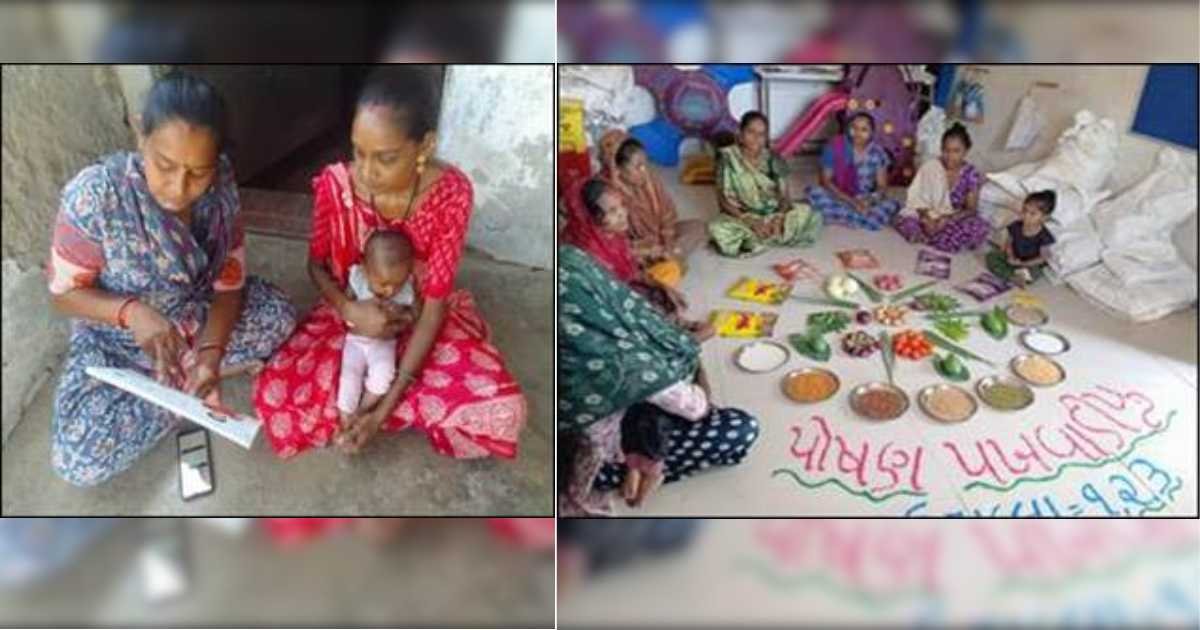
Community mobilisation remained a key pillar. Campaigns such as Poshan Maah and Poshan Pakhwada drove behavioural change. The 2026 Poshan Pakhwada, held from April 9 to 23, focused on brain development in the first six years of life.
The government said these efforts turned nutrition into a Jan Andolan. Activities included home visits, health camps and awareness drives. These programmes aimed to promote healthy practices among families and communities.
Officials added that Mission Poshan 2.0 marked a shift towards integrated and technology-driven governance. They said continued investment in nutrition and early childhood development would remain critical for long-term growth.
