

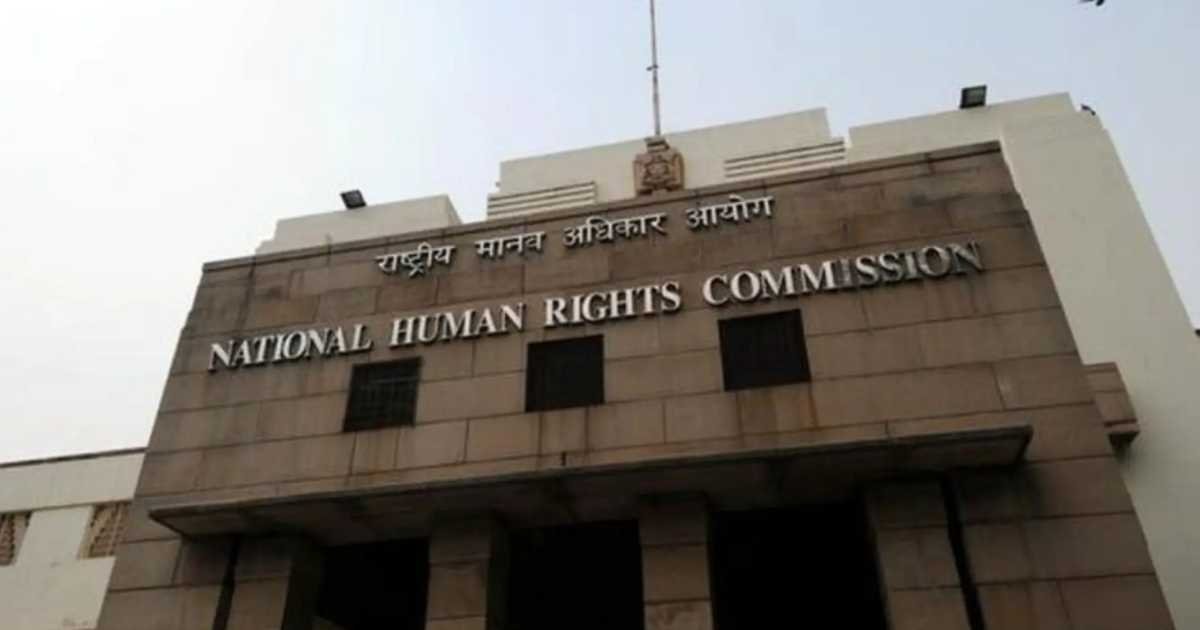
New Delhi: National Human Rights Commission organised an NHRC conference in New Delhi and urged State Human Rights Commissions to improve coordination, avoid duplication of cases and strengthen digital integration through the HRCNet portal.
NHRC Chairperson Justice V. Ramasubramanian chaired the virtual conference attended by SHRC representatives, Special Rapporteurs and Special Monitors. He stressed that human rights institutions must maintain jurisdictional clarity under the Protection of Human Rights Act to reduce unnecessary litigation.
He also asked SHRCs to digitise their systems and join the integrated HRCNet platform. According to the NHRC, 23 SHRCs have already adopted the portal. However, Andhra Pradesh, Gujarat, Jharkhand and Nagaland are yet to join the system.
NHRC Member Justice Bidyut Ranjan Sarangi said stronger coordination between the NHRC and SHRCs would help ensure timely action in sensitive matters, including custodial deaths. Meanwhile, NHRC Member Vijaya Bharathi Sayani urged commissions to increase field visits and engage directly with affected communities.
NHRC conference highlights digital coordination
NHRC Secretary General Bharat Lal said the commission received 4.28 lakh complaints during the last five years through its online system. He added that police-related violations, organised exploitation, pension disputes and women’s rights violations formed a major share of complaints.
Further, he stressed the need for coordinated monitoring and field interventions in prisons, shelter homes, mental health institutions and labour sectors. He also highlighted concerns related to manual scavenging deaths and rehabilitation gaps.
During the NHRC conference, participants recommended stronger staffing, improved infrastructure and wider outreach for SHRCs. They also called for more inspections of prisons, hospitals, old-age homes and tribal hostels.
The conference further recommended preventive human rights training for police personnel and prison staff. In addition, participants suggested stronger protection systems for children, senior citizens, sanitation workers and persons with disabilities.
Officials said the conference aimed to improve institutional coordination and strengthen human rights protection mechanisms across the country.
